Hydraulic Burst Test
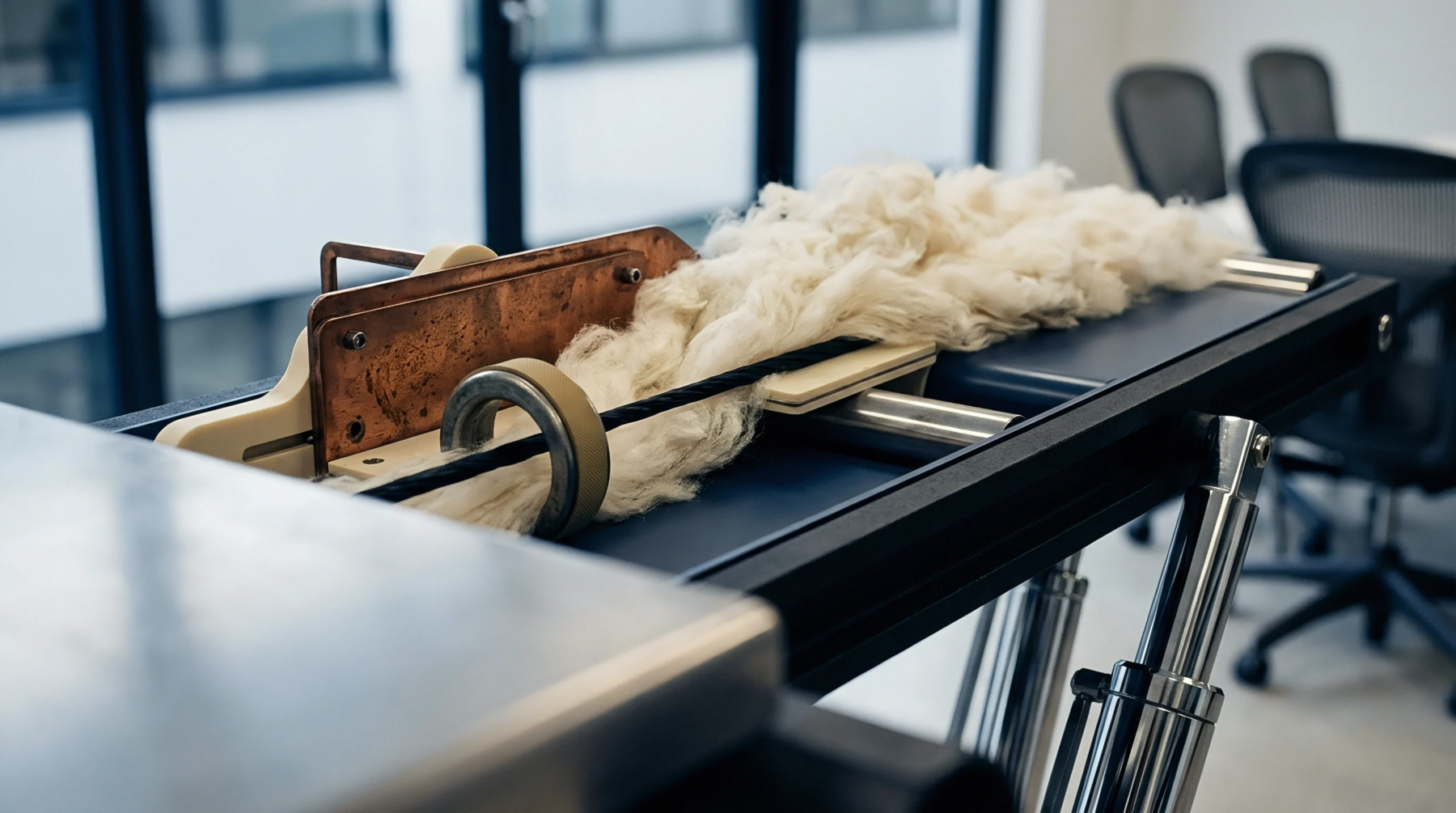
Standardized physical testing of woven and knitted fabrics establishes official Chinese national protocols for measuring multidirectional burst resistance using hydraulic pressure. Compliance with gb/t 7742.1 requires clamping a circular fabric specimen over an elastic diaphragm and applying hydraulic fluid pressure at a constant rate of volume increase until the specimen ruptures. The test apparatus records peak rupture pressure alongside bursting distension height in millimeters.
Quality control laboratories rely on this method to assess functional strength in garments, technical textiles, and nonwoven materials intended for export to Chinese markets.
Membrane Deflection
Hydraulic fluid expands the rubber diaphragm evenly against the clamped fabric disk until fiber failure occurs. The gb/t 7742.1 protocol calculates net bursting strength by subtracting the baseline pressure required to distend the diaphragm alone without fabric.
Pressure Calibration
Specimen area selection directly influences measured pressure values, requiring standard test areas of fifty or seven-point-eight square centimeters. Test reports must detail sample conditioning, diaphragm correction values, and total time to rupture for valid commercial acceptance.
Elastic Limit
Testing highly extensible elastomeric fabrics exceeds the maximum distension height capacity of standard hydraulic testing heads. Rigid metallic meshes or coated tarpaulins cause jaw slippage or diaphragm tears prior to achieving true fabric rupture.