Construction Density
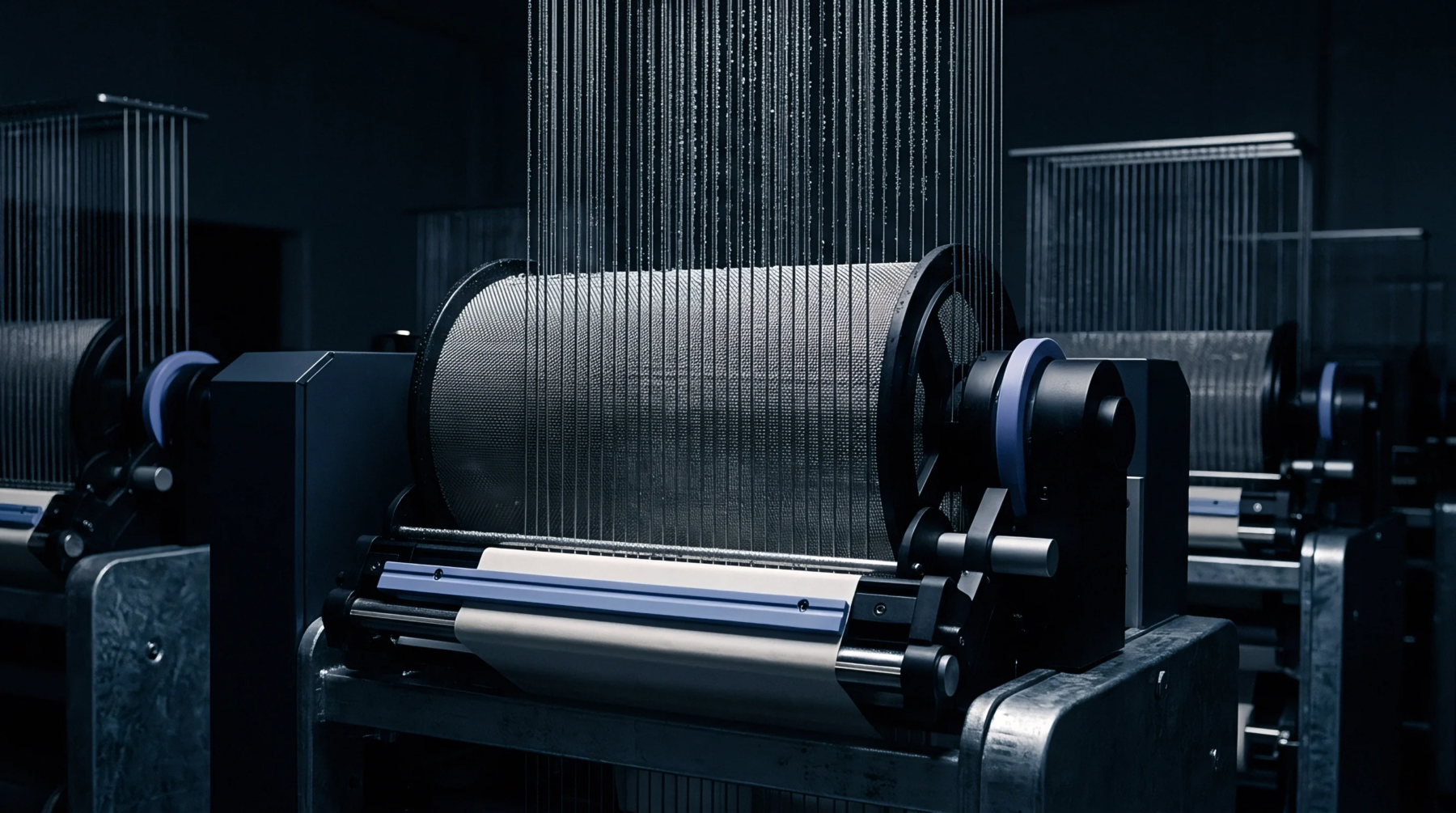
Compact yarn arrangement defines a textile structure by maximizing the count of warp and weft intersections per square centimetre. This high density woven fabric relies on fine, high-strength filament yarns to minimize air permeability while increasing mechanical resistance to abrasion. Manufacturers increase pick counts until the physical capacity of the loom allows no further insertion, creating a rigid barrier suitable for industrial filtration or heavy-duty technical covers.
Production Constraint
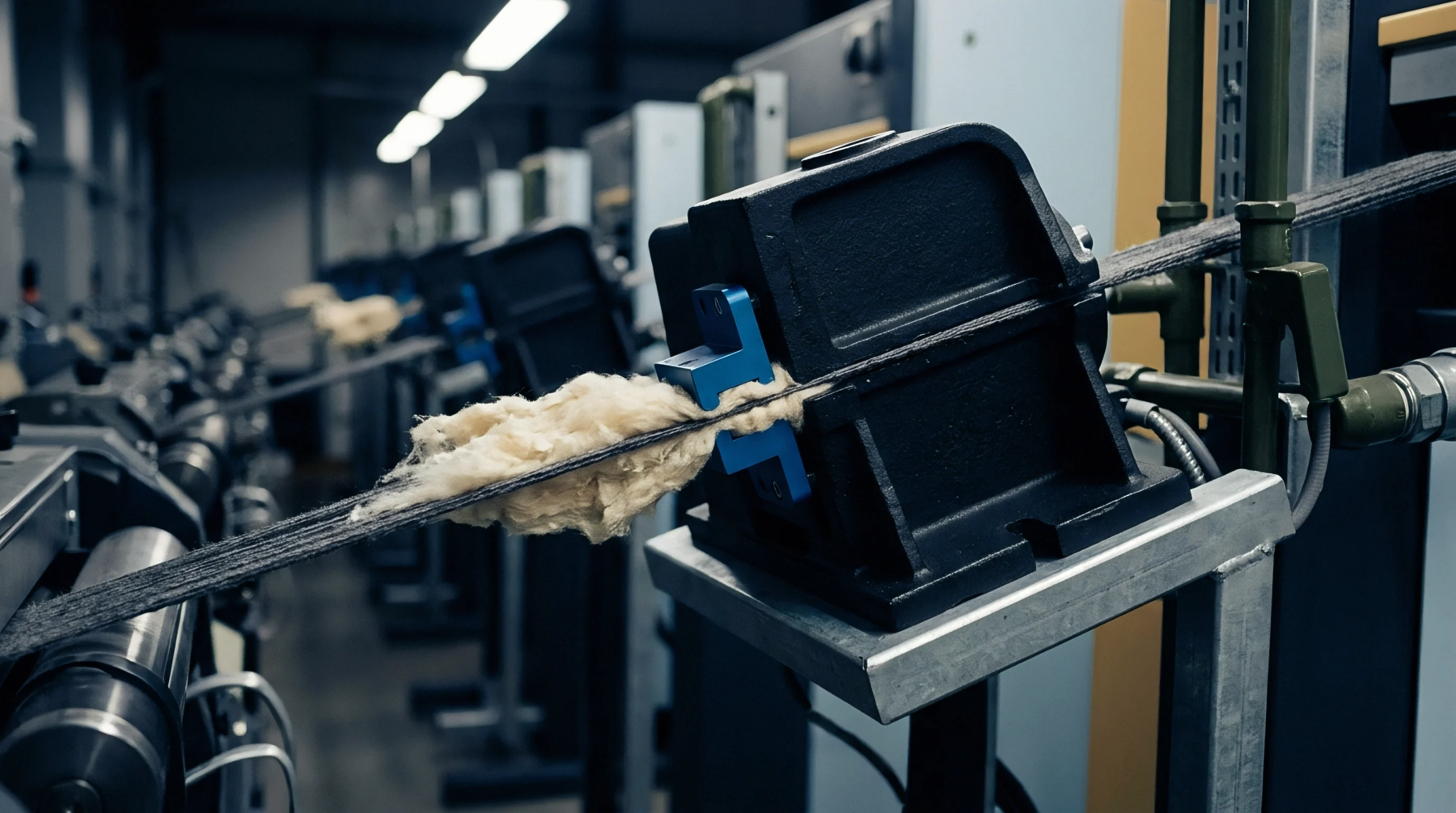
Mechanical limitations during the warping process dictate the maximum yarn count permissible before fibre breakage rises. Tension control systems regulate how the material moves through the frame to maintain uniform spacing across the entire width of the loom. Adjusting these settings reduces the likelihood of reed marks or tension streaks in the finished product.
Inspection Protocol
Laboratory teams verify the integrity of the finished surface by counting yarns under magnification to ensure the count matches the purchase agreement. Uniformity in the warp and weft orientation indicates a controlled production environment where the rollers remain aligned. Deviations in these counts signal potential failures in the shedding mechanism or inconsistent yarn supply.
Performance Expectation
Finished goods made from this material demonstrate superior dimensional stability compared to loosely constructed alternatives. Resistance to tearing and puncture remains constant throughout the lifespan of the item regardless of external weather conditions. Extreme physical loads do not compromise the structural alignment of the fibres.