Optical Sensor
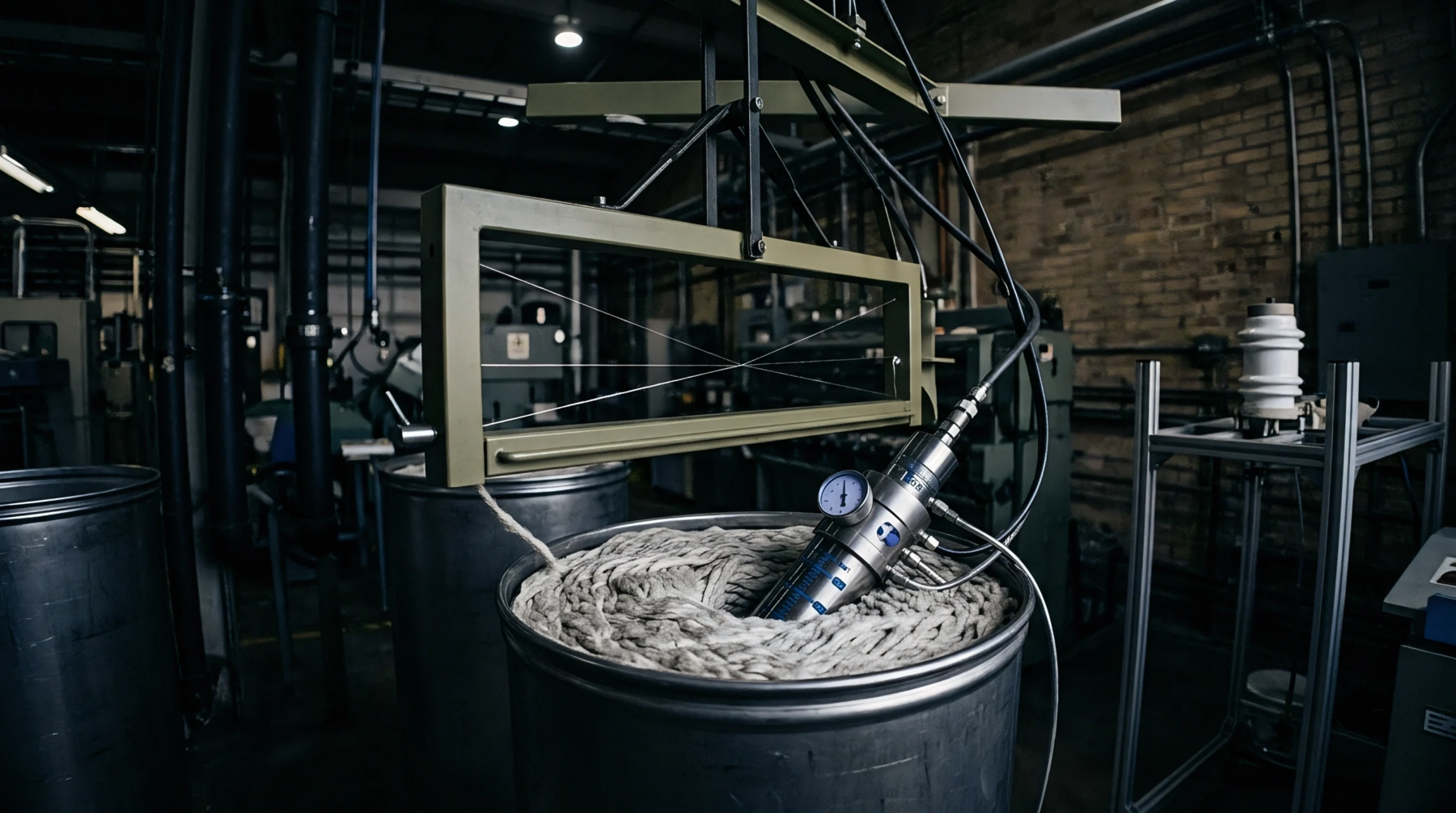
High-volume testing instruments utilize optical digital video cameras to calculate the percentage area occupied by non-lint particles on a compressed cotton sample. Modern high volume instrument systems integrate an hvi trash meter to scan raw cotton surface samples under controlled illumination. The optical system identifies leaf fragments, bark, and foreign matter by contrasting dark trash particles against lighter cotton fibres.
Measurements stop at surface-exposed particles on the compressed sample, excluding internal trash buried deep within the cotton specimen mass.
Measurement Mechanism
A pneumatic glass window compresses a predetermined sample mass against the optical sensor window. The hvi trash meter captures high-resolution digital images under uniform light-emitting diode lighting. Image processing algorithms threshold the image pixels, separating dark non-lint pixels from white lint background pixels.
The system calculates two distinct parameters: total trash count and percentage trash area. Trash count represents the number of discrete particles larger than a specified pixel threshold. Percentage area measures the total surface area covered by foreign particles relative to total window area.
Standard calibration tiles ensure uniform camera sensitivity across different testing laboratories. Automated processing completes each measurement in less than two seconds.
Surface Boundary
Particle counts reflect only foreign matter touching the glass surface. Dense seed coat fragments hidden inside the sample volume escape optical detection entirely.
Commercial Valuation
Raw cotton trading contracts use trash area percentage to adjust purchase price discounts. Spinning mills rely on trash meter metrics to set cleaning intensity on blowroom machinery and carding engines. High trash content reduces yarn yield and increases waste disposal costs during carding and combing operations.