
Standard Test Methods for Heavy Metals in Chemically Recycled Resins
Testing heavy metals in chemically recycled resins demands microwave acid digestion and ICP-MS verification to prove batch compliance against regulatory limits.
Testing heavy metals in chemically recycled resins demands microwave acid digestion and ICP-MS verification to prove batch compliance against regulatory limits.

Assaying recycled dimethyl terephthalate requires combined gas chromatography and spectroscopic determination of ester purity, aldehyde isomers, and metal residues.

Pyrolysis oil mass balance credits require analytical proof that raw chlorine, silicon, and nitrogen sit below cracker ceilings before allocation ledgers run.
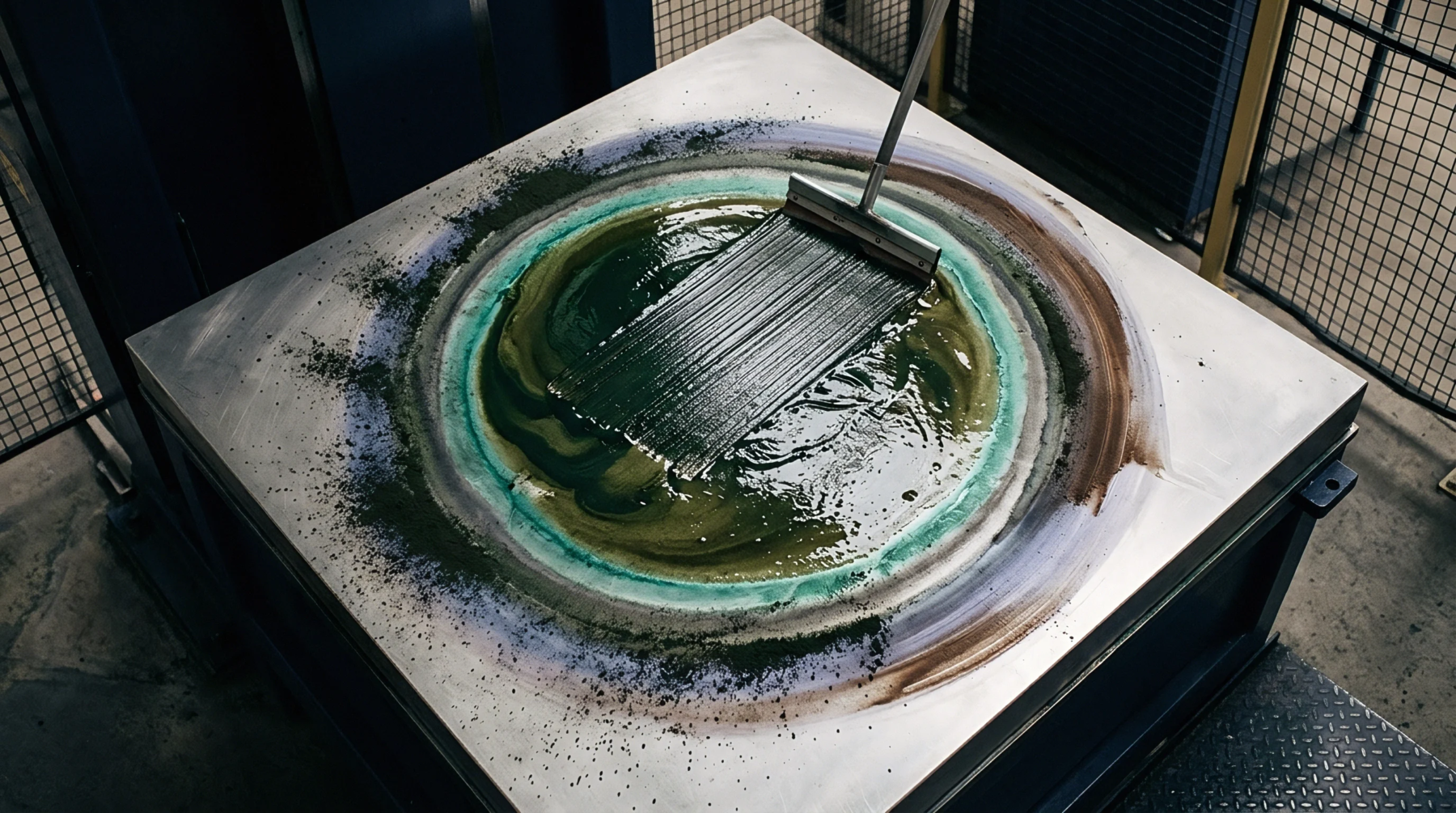
Subcontracted garment laundries introduce restricted auxiliary risks that require batch-level finished garment testing and strict contract indemnity clauses.

Standardized chemical limit verification in primary dyeing requires lot-level analytical testing linked to transaction certificates rather than factory scope documents.
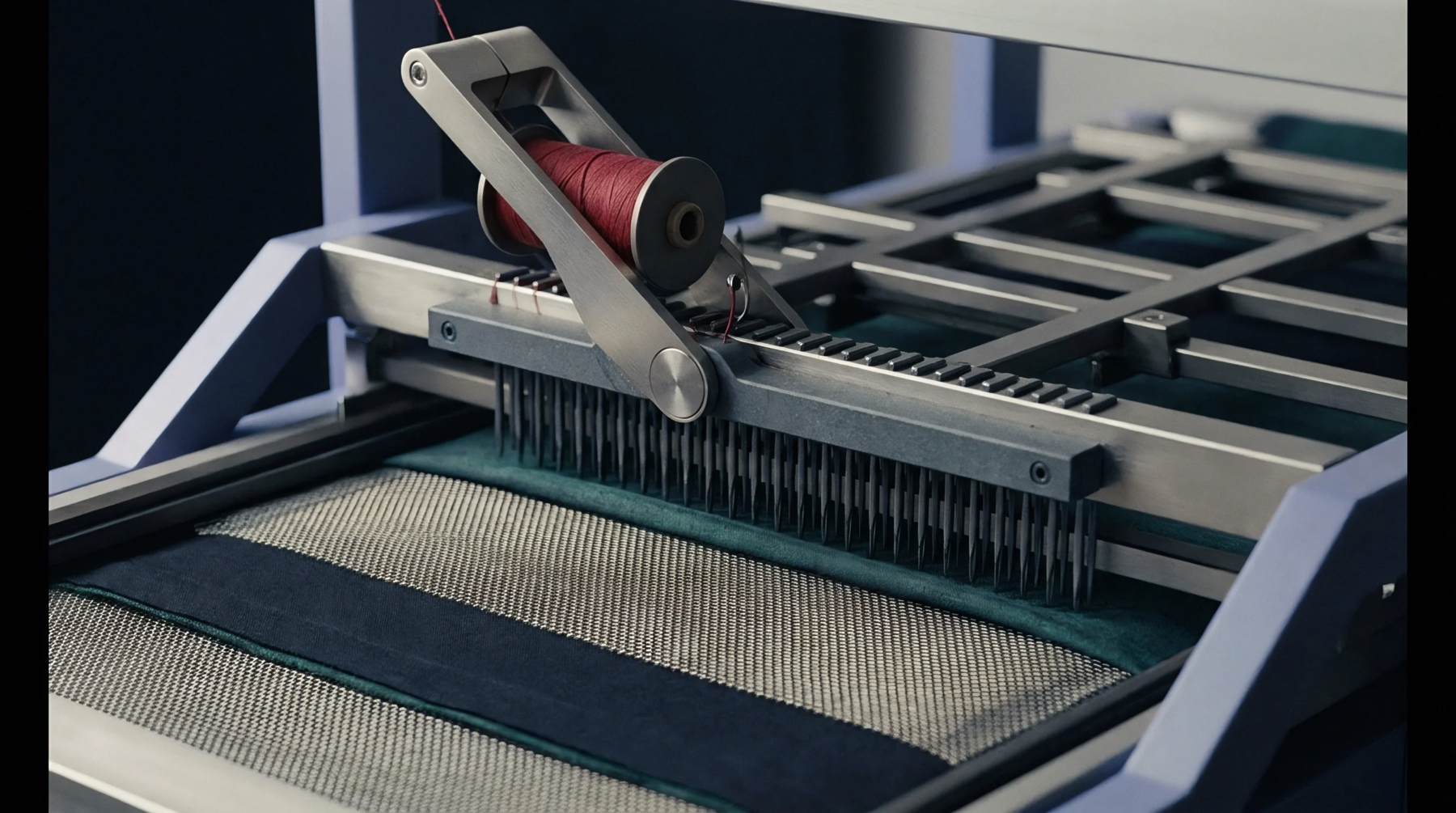
Unified chemical threshold matrices enable multi-market fabric clearance by harmonizing the strictest global limits into single-lot test protocols.

Bayesian acceptance sampling with depth-isolated microtome preparation isolates localized layer non-compliance, reducing consumer import risk below zero point five percent.
Expertise is a utility, not a secret. sentiention™ publishes its working knowledge as open reference: intelligence layer covering the materials it sources, the markets it enters, and the reference that serves both.