Porosity Measurement
Standardized pressure tests determine the rate of airflow through textile structures, and ISO 9237 air permeability evaluation calculates the volume of air passing vertically through a known area of fabric under a set pressure drop. The apparatus holds the specimen across a circular test head and draws air through it. This measurement helps determine the suitability of fabrics for applications like activewear, filters, or sails.
Engineers use these data points to design garments that manage body temperature effectively.
Operational Sequence
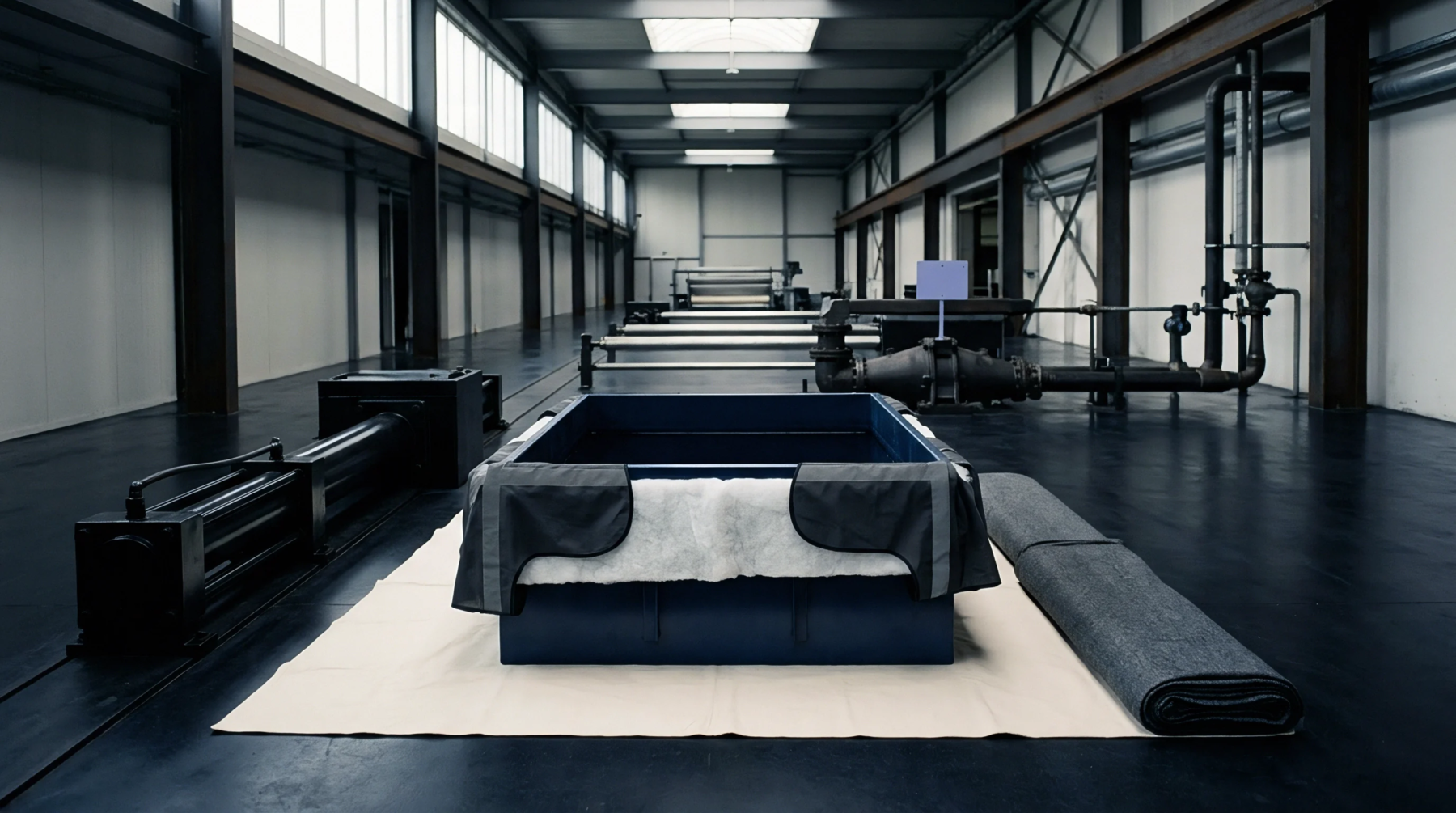
Testing begins by clamping the conditioned specimen securely to avoid edge leakage. The vacuum pump draws air through the sample until the specified pressure differential, typically one hundred pascals for apparel fabrics, is reached. Flowmeters record the rate of passage, which technicians convert into millimetres per second.
Structure Influence
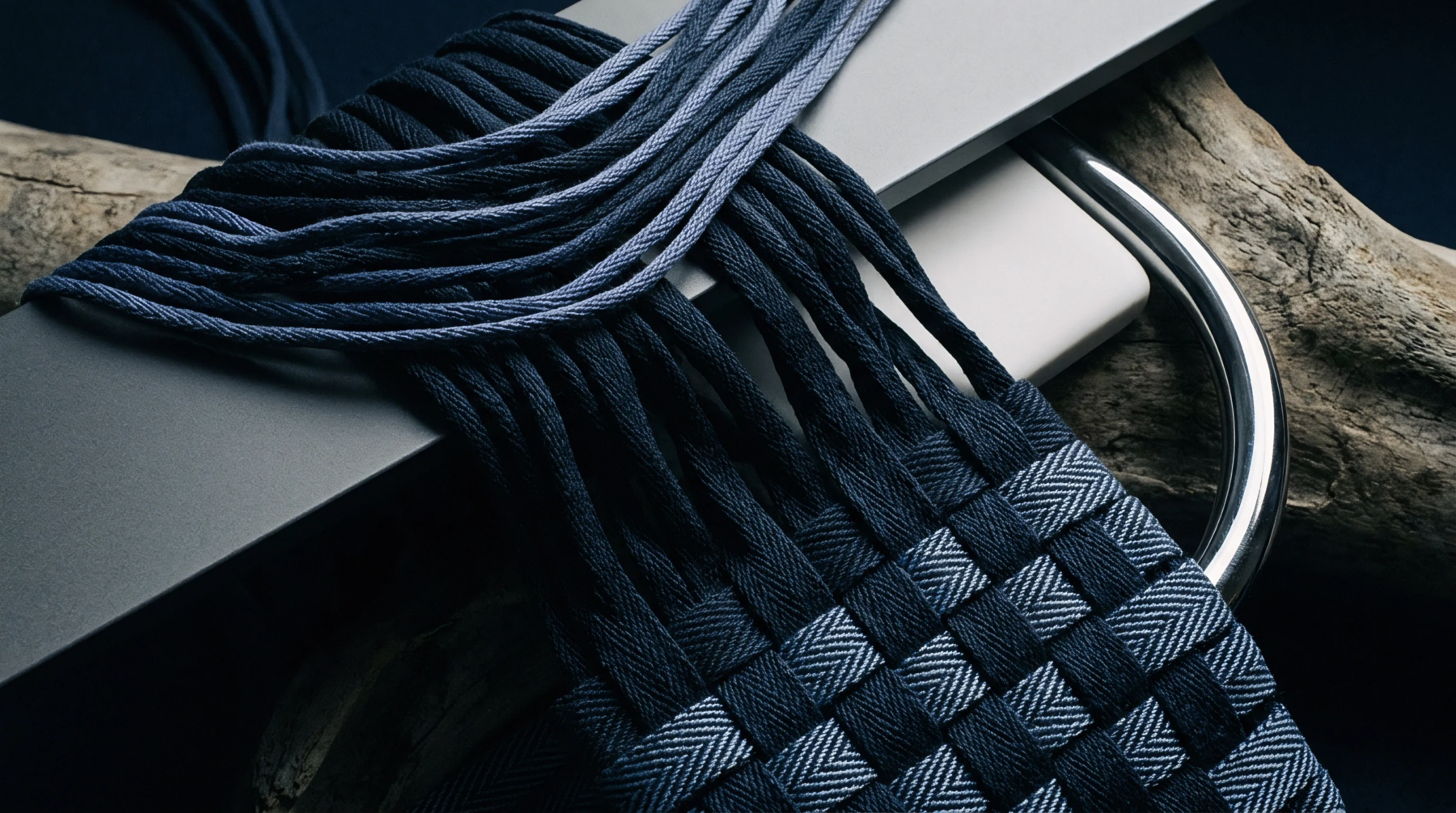
Fabric density influences the results because yarn count, weave pattern, and finishing processes govern the open spaces between yarns. Calendared fabrics restrict airflow, whereas loose open-knits maximize passage. Controlling air permeability allows sports apparel manufacturers to balance wind protection with comfort during high-energy activities.
Specimen Preparation
Conditioning samples in a standard atmosphere of twenty degrees Celsius and sixty-five percent relative humidity is mandatory before testing. Moisture alters yarn diameter and fabric thickness, which directly changes the airflow readings. Testing multiple areas across the fabric roll ensures that the reported value represents the entire batch.