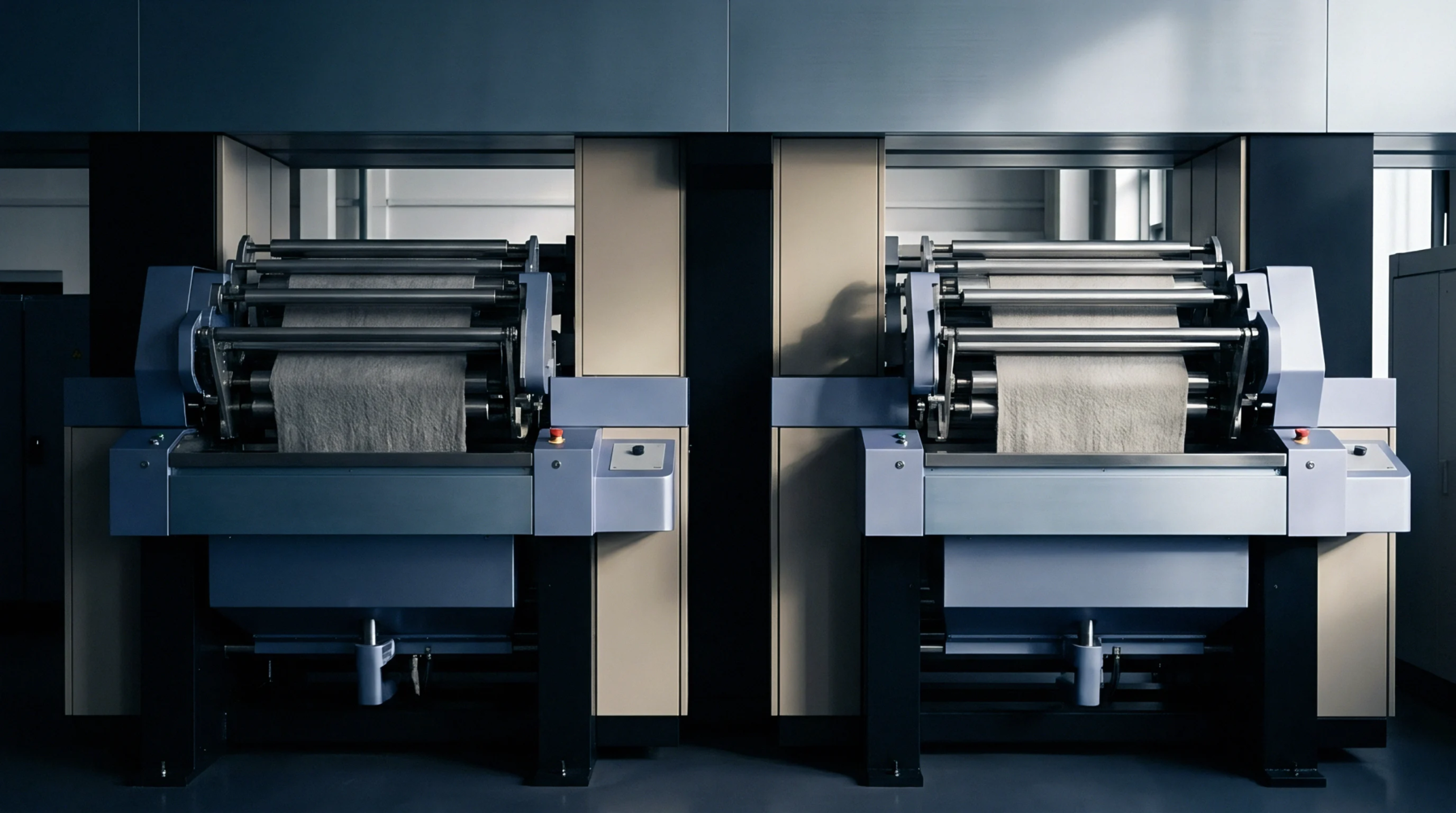
Standard Calibration
Laboratory testing protocols define chemical stability for textile dyes through iso105 color fastness to evaluate how finished goods react to environmental exposure. Synthetic and natural fibres undergo specific stress conditions to determine potential pigment migration or degradation.
Grading Protocol
Trained observers evaluate these results against established grey scales that measure contrast between treated and untreated specimens. High numerical ratings indicate a minimal change in appearance, while lower scores signal significant degradation. Technicians verify performance by comparing sample swatches against control references to ensure uniform quality across textile lots.
Such assessment identifies failure points early in production cycles to avoid rejection upon final inspection.
Environmental Simulation
Aqueous and physical stressors determine how a material maintains chromatic integrity under conditions of perspiration, laundering, light exposure, or crocking. Aqueous solutions or mechanical friction applied to the surface force excess dye molecules to detach from the substrate. Researchers measure these displaced particles to calculate the specific degree of loss relative to the original saturation levels.
Precise monitoring of water temperature and chemical concentration ensures the validity of every assessment.
Commercial Impact
Brands enforce these requirements to maintain product consistency across large production runs spanning different seasons or factory sources. Retailers require certified reports from independent labs to minimize liability regarding customer dissatisfaction with faded garments. Compliance provides a reliable baseline for manufacturers to justify quality claims in procurement contracts.
Stable pigments ensure that secondary garment components match the body fabric after repeated cleaning cycles.