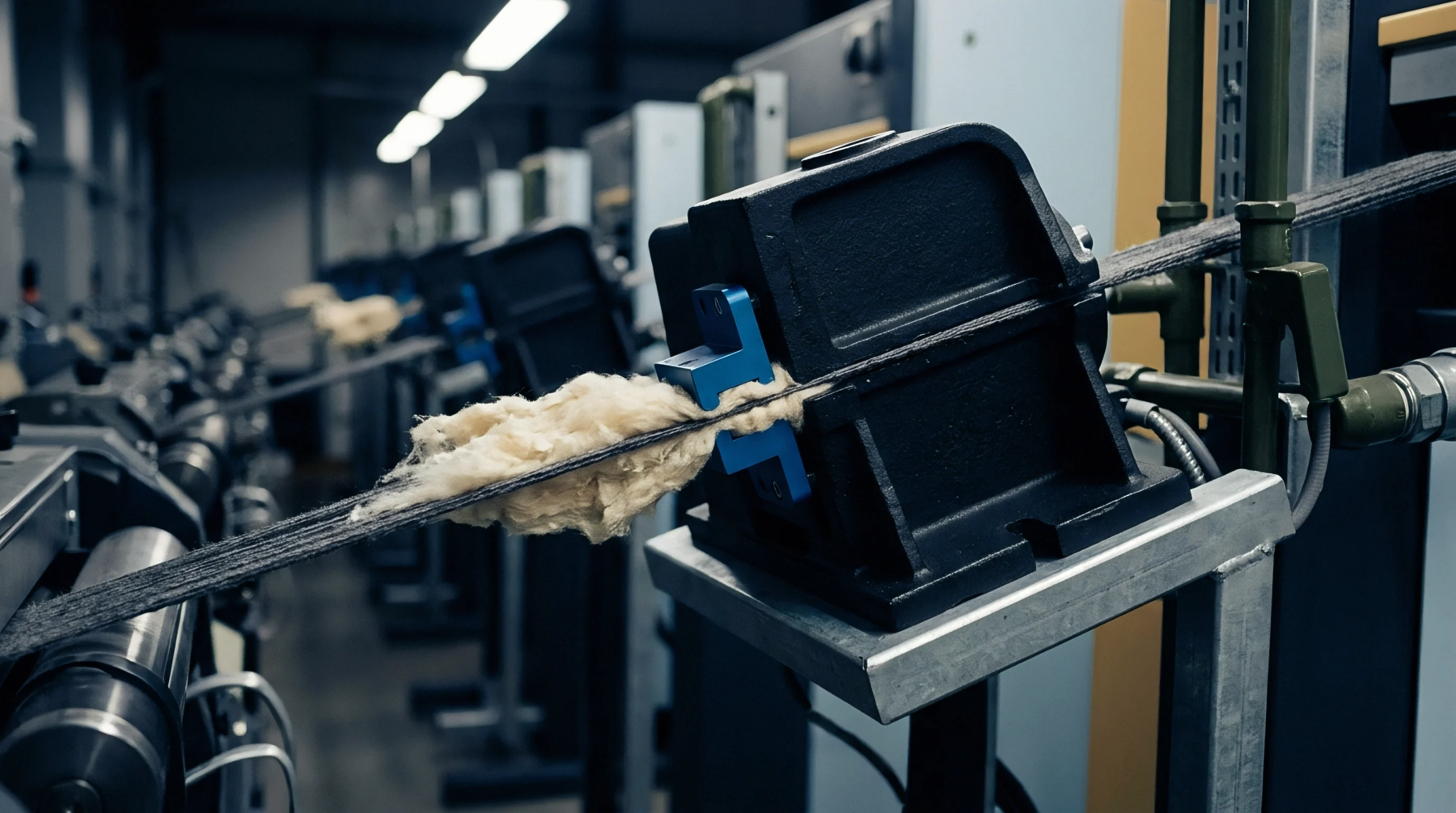
Pressure Gradient
The decrease in static pressure that occurs as a fluid moves through a narrowed tube or conduit is determined by the fluid velocity and geometry of the restriction. The jet pipe pressure drop occurs when dye liquor is forced through the nozzle or jet pipe of a dyeing machine to propel the fabric rope. This change in pressure is a direct result of the conversion of static pressure into kinetic energy.
Flow Resistance
Frictional losses against the internal walls of the pipe and the turbulent mixing within the nozzle assembly contribute to energy losses in the fluid system. In a jet pipe pressure drop, the magnitude of the loss increases with the square of the flow rate and is affected by the viscosity of the dye liquor. High viscosity or the presence of suspended solids can increase flow resistance, requiring greater pump effort to maintain fabric speed.
The pressure differential is monitored to ensure stable machine operation.
Process Consequence
The physical force exerted by the jet nozzle depends on the pressure differential across the pipe to move the fabric rope efficiently. If the jet pipe pressure drop is too low, the fabric moves too slowly or halts, leading to uneven dyeing and thermal damage from prolonged nozzle exposure. Conversely, an excessive pressure drop can damage delicate fabrics by subjecting the yarns to high shear forces.
Controlling this parameter is critical for maintaining fabric quality.
System Limit
The maximum output of the circulation pump limits the operating window for the pressure differential. When the jet pipe pressure drop exceeds the pump capacity, flow rates decrease, which can lead to nozzle clogging and unstable fabric transport.