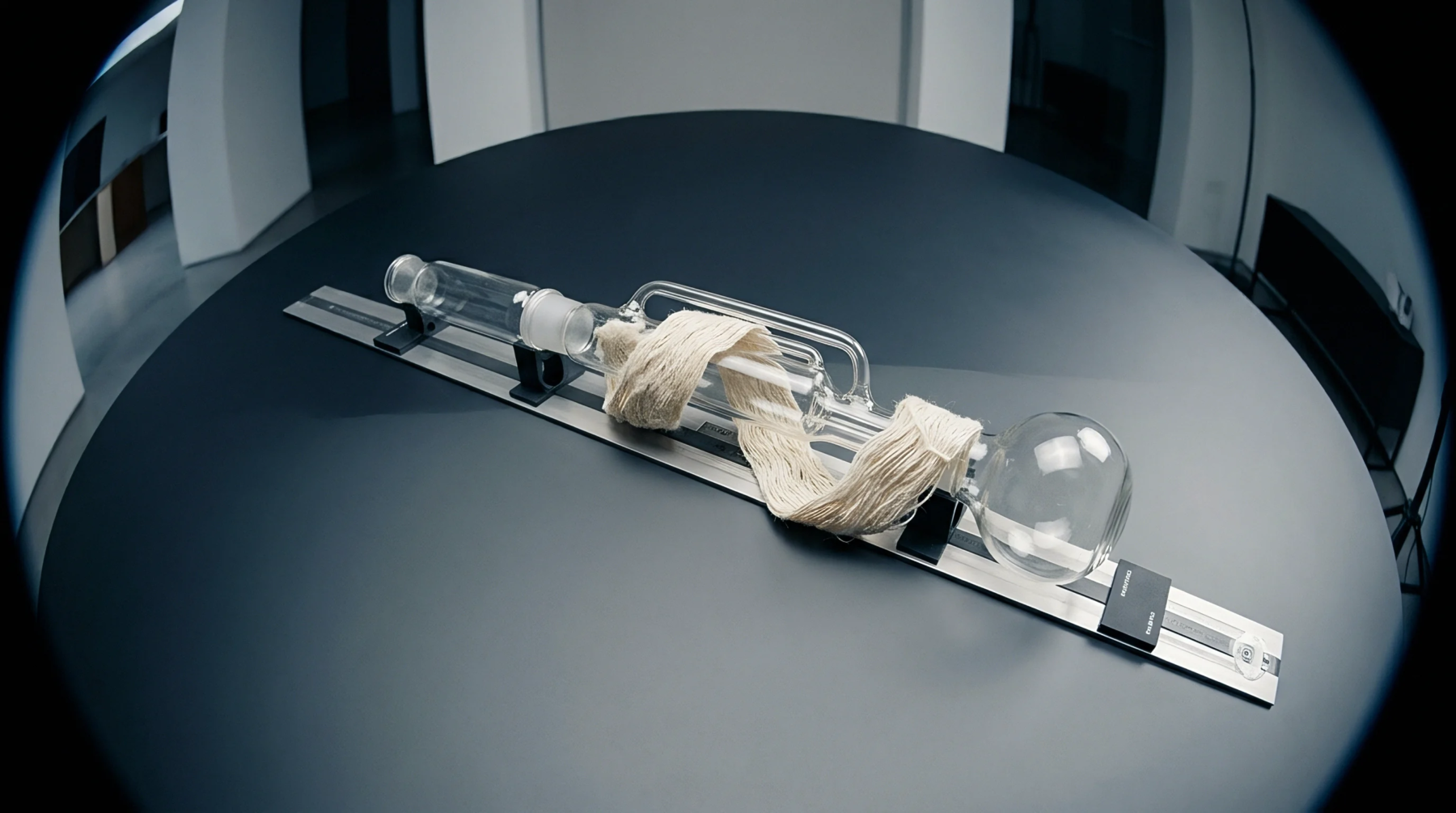
Lignocellulosic Filament
Natural cellulosic strands found in the phloem of Corchorus plants provide the raw material for industrial textiles. The jute bast fiber is extracted through a biological process that dissolves the gums and pectins holding the stalks together. These filaments are characterized by their high lignin content, which provides stiffness and resistance to rot.
Tensile Performance
High modulus of elasticity makes the material suitable for heavy duty packaging and agricultural applications. Jute bast fiber has low extensibility, meaning it does not stretch significantly under load. This property is verified through bundle strength tests before the material is accepted for spinning into twine or burlap.
Retting Procedure
Extraction of the phloem requires the immersion of the stalks in slow moving water for several weeks. During this stage, microbial action separates the jute bast fiber from the woody core. Careful control of the water temperature and duration is necessary to prevent over retting, which weakens the cellulose structure.
Commercial Grading
Sorting of the material depends on the color, length and cleanliness of the extracted bundles. Grade variations in jute bast fiber reflect the efficiency of the washing and drying stages. Mill buyers inspect the bundles for the presence of bark or un retted portions that would cause defects in the final product.