
Blowroom Tuft Speed Optimization for High Contrast Synthetic Sorters
Optimizing blowroom tuft speed between 12 and 16 m/s balances camera scan resolution, pneumatic ejection accuracy, and low spinnable fibre waste.
Optimizing blowroom tuft speed between 12 and 16 m/s balances camera scan resolution, pneumatic ejection accuracy, and low spinnable fibre waste.
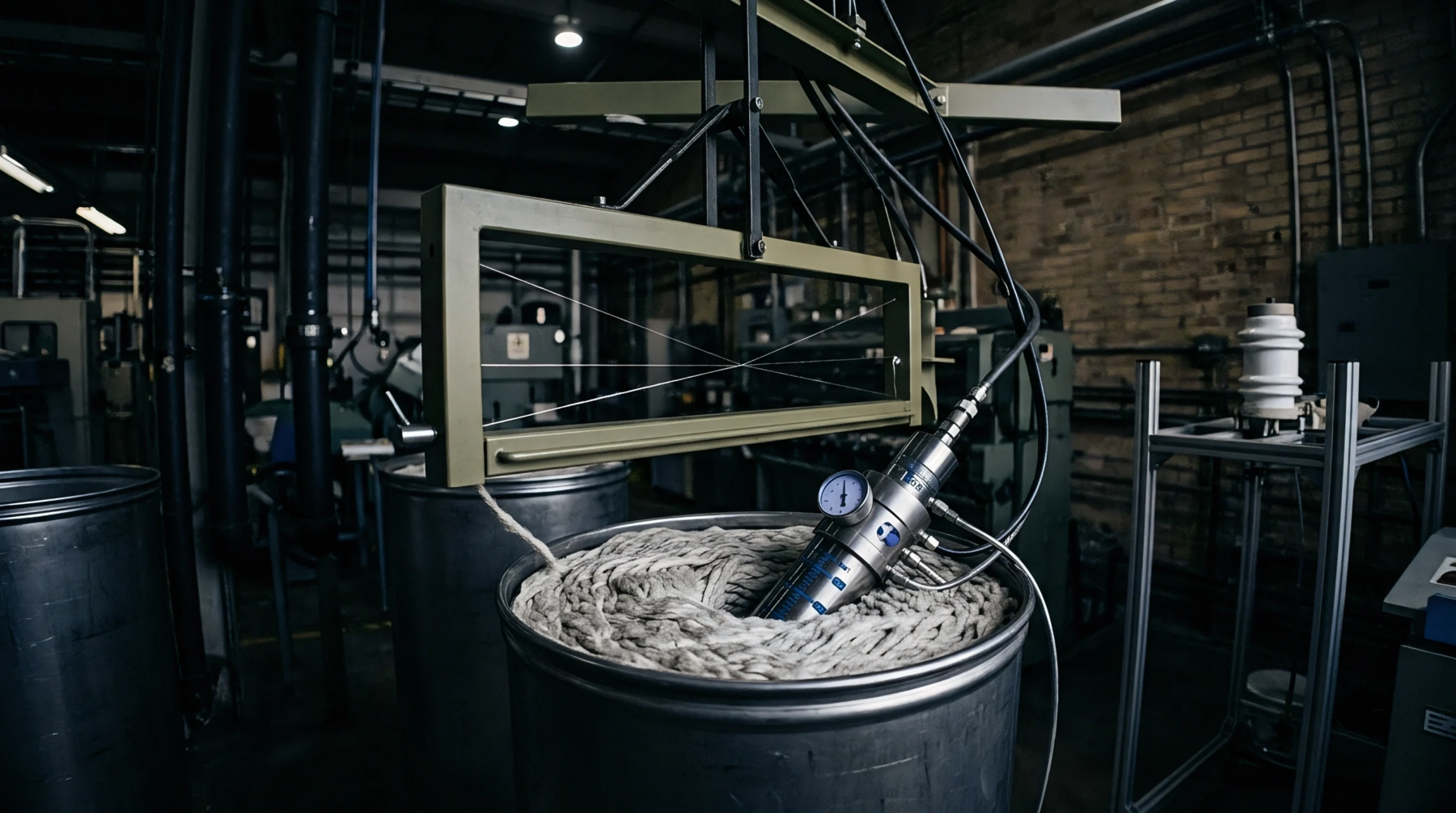
Raw cotton optical sorting relies on multi-spectral cameras to identify botanical and synthetic foreign matter for precise pneumatic rejection.

Real-time SWIR line-scan ratio classification isolates translucent polyolefin in unopened cotton tufts at high velocity with low good-fiber ejection loss.
Targeting 1450 nm and 2200 nm shortwave infrared bands differentiates polypropylene and organic contaminants from cotton lint with high optical contrast.
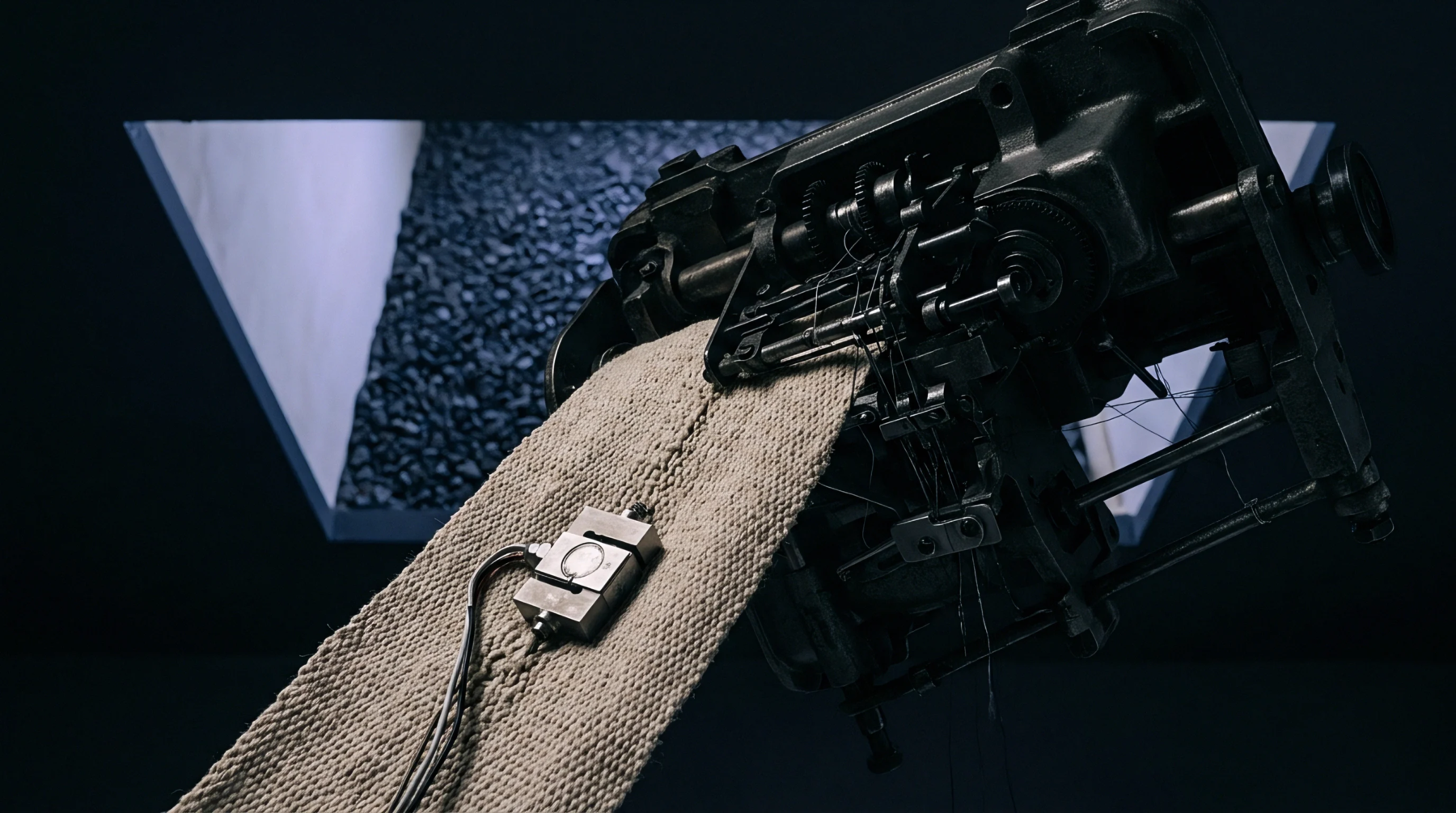
Optoelectronic blowroom sorters combine polarized, UV, and SWIR sensors with high-speed valve arrays to detect and eject synthetic polymers from cotton tufts.
Shortwave infrared sorters use dual-band InGaAs line scan cameras to detect synthetic polymers in cotton by targeting carbon-hydrogen absorption peaks.
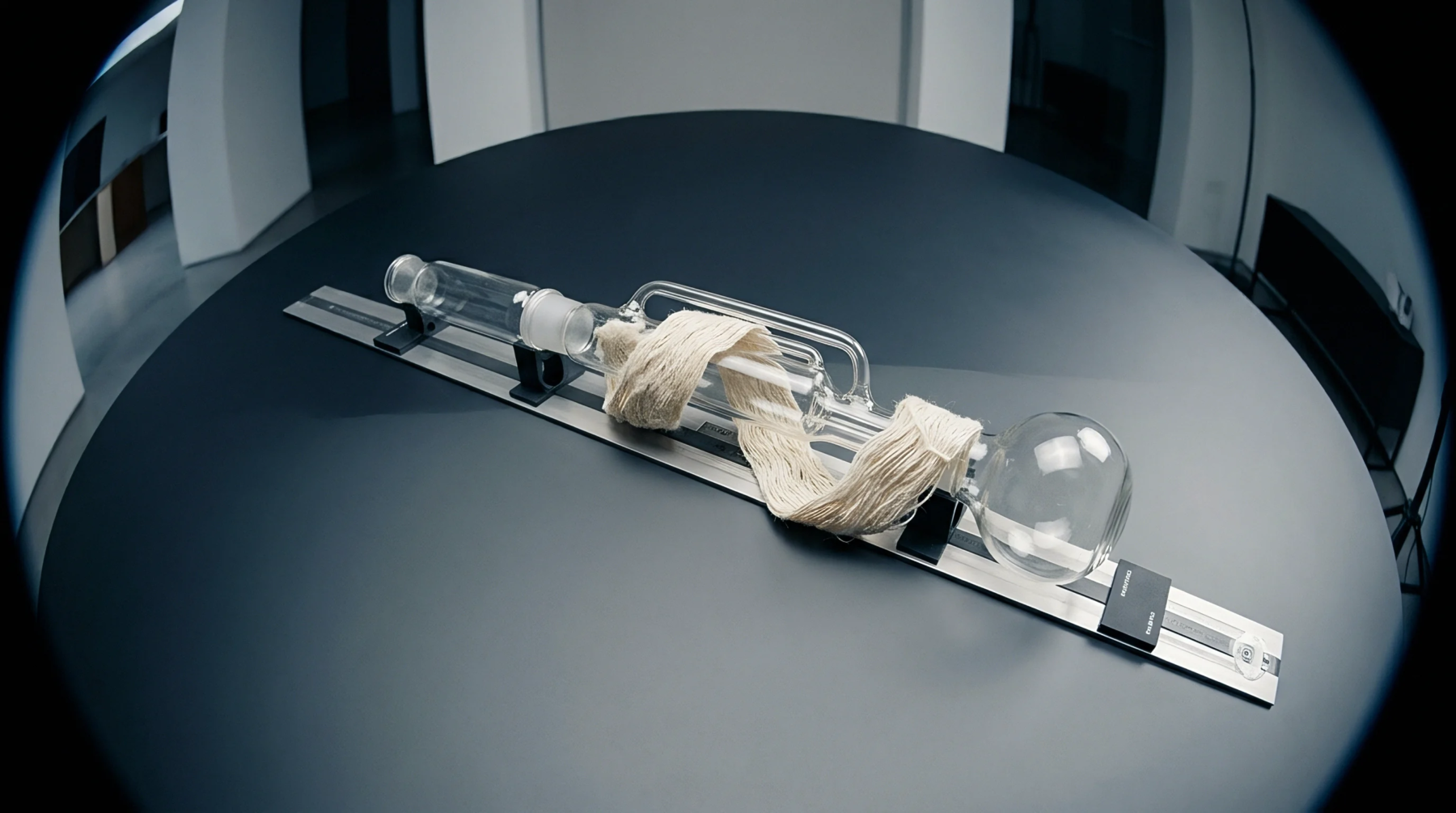
Optical sorter limits depend on tuft opening, duct air velocity, and spectral contrast between white polypropylene and raw cotton fibers.
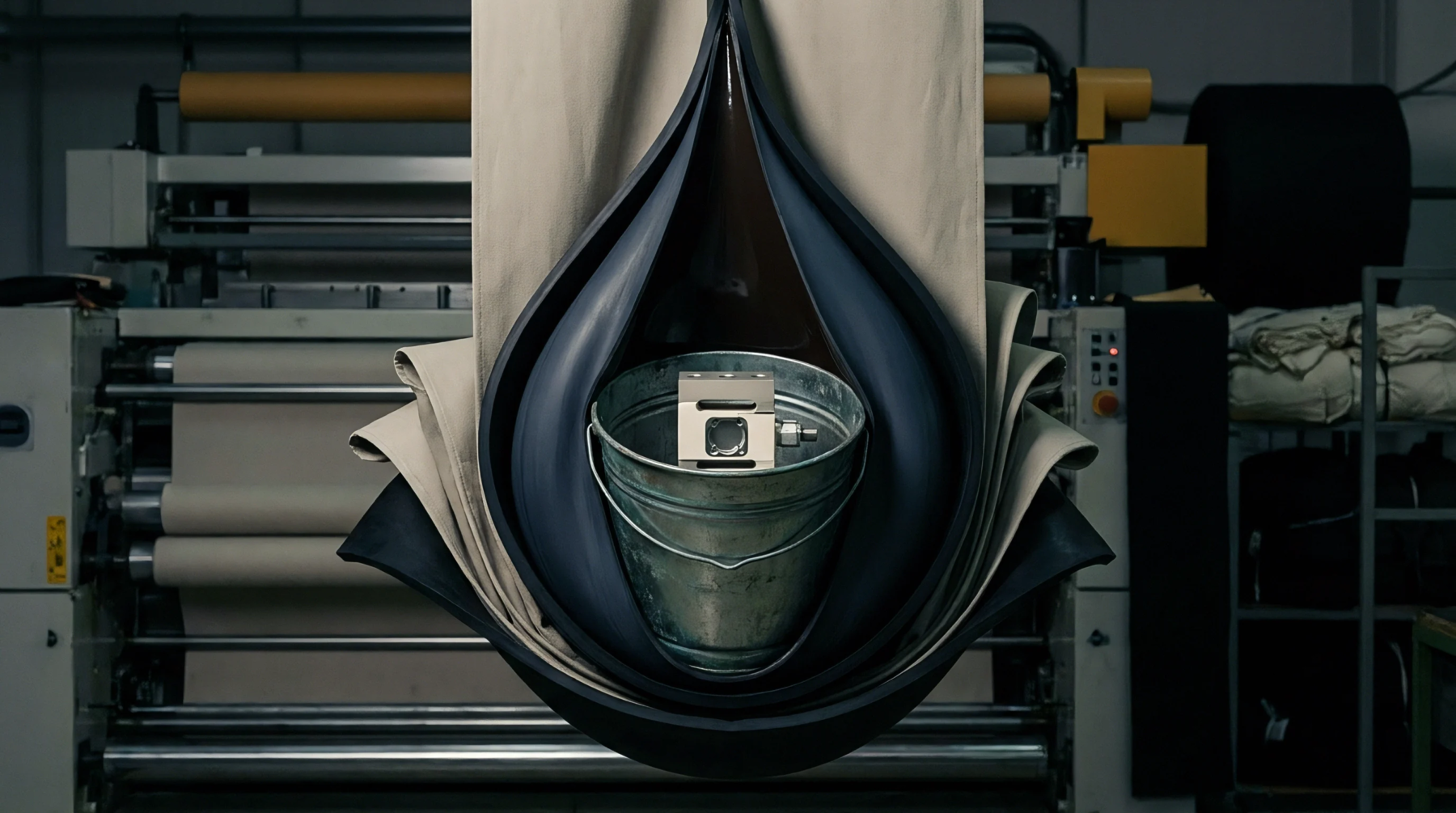
Select standard InGaAs for cost-effective detection up to 1700 nm, or cooled extended InGaAs to capture 2200 nm polypropylene combination bands cleanly.
InGaAs sensor integration requires thermoelectric dark current control and dynamic radiometric calibration to isolate synthetic polymers from raw cotton.
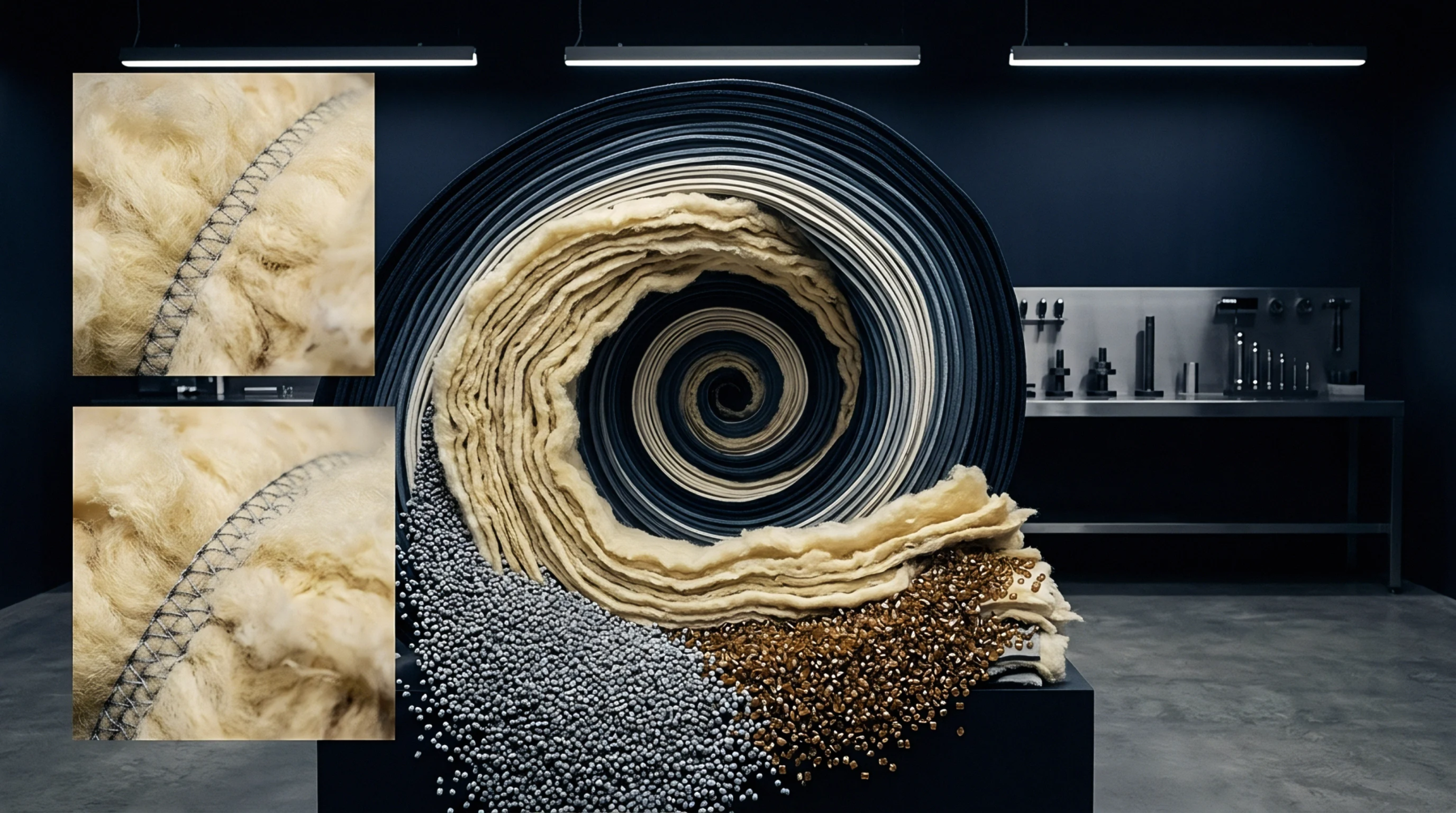
Inline optoelectronic parameterization requires balancing SWIR and polarization gain settings against transport air velocity to remove synthetic polymers without excessive fiber loss.
Expertise is a utility, not a secret. sentiention™ publishes its working knowledge as open reference: intelligence layer covering the materials it sources, the markets it enters, and the reference that serves both.