Carbon Contamination
Honeydew sugar deposits originating from aphid activity introduce persistent carbohydrate fractions into raw cotton fibers during harvesting seasons. Sugar contamination alters scouring baths because biological exudates adhere strongly to cellulose chains unless specific enzymatic pretreatments disrupt the molecular bonding before alkaline boiling takes place. Chemical profiles identify this trisaccharide as a primary constituent of plant sucking insect secretions that foul machinery parts during carding operations.
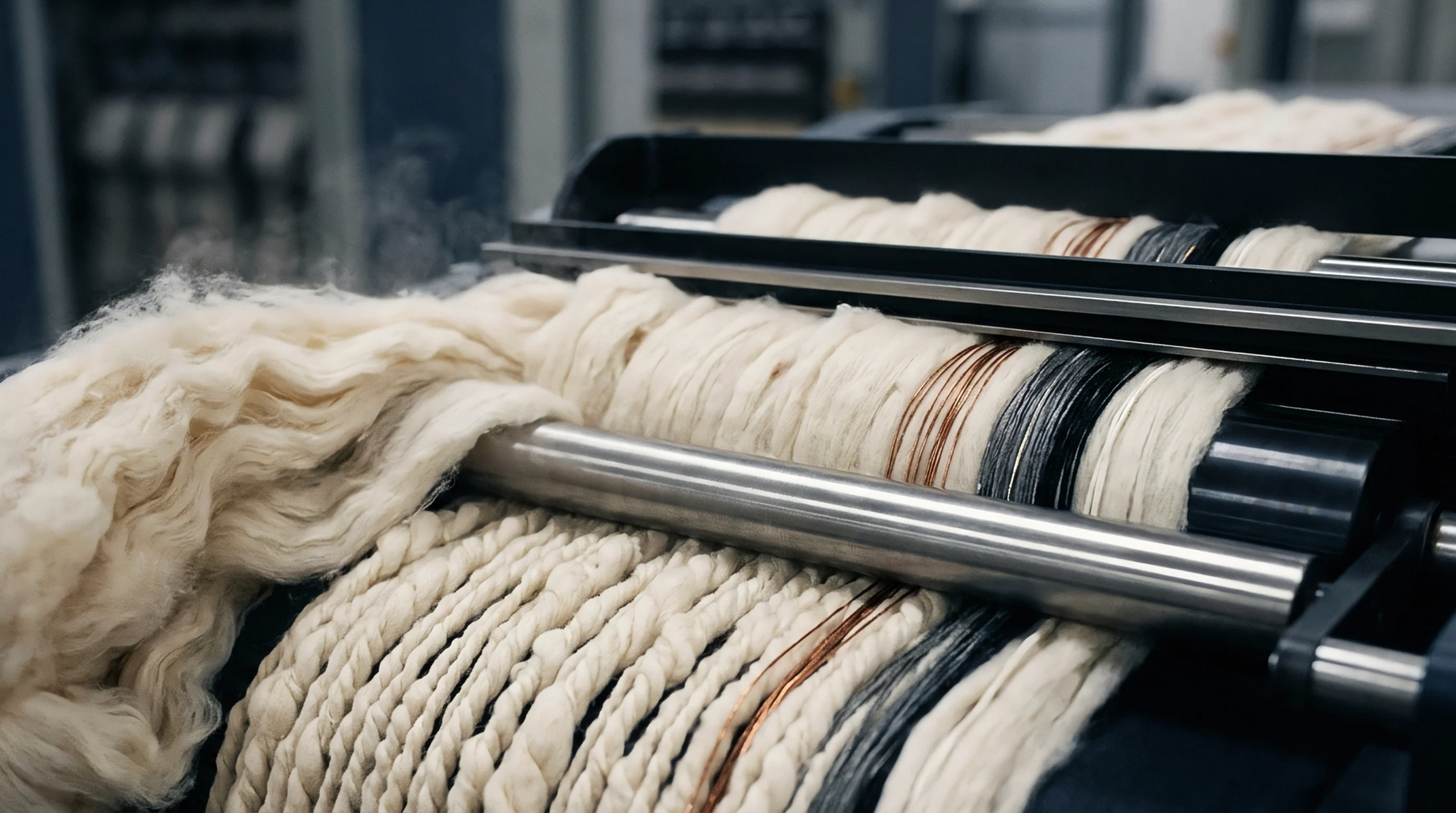
Roller wrapping occurs when sticky patches accumulate on high speed metal surfaces, causing yarn breakage during spinning intervals. Mill operators monitor extractable carbohydrate levels through thin layer chromatography to prevent subsequent dyeing defects. Uneven shade uptake develops along fabric lengths when lingering oligosaccharides block reactive dye molecules from penetrating the cotton substrate evenly.
Raw material testing laboratories measure water soluble extractions from bale samples to establish baseline cleanliness indices prior to yarn manufacturing.
Enzymatic Scouring
Specialist biochemical wash cycles deploy invertase preparations to hydrolyze complex plant sugars into simpler monosaccharides that dissolve readily in hot rinse water. Industrial processing plants apply specific fungal enzymes directly inside desizing vats to break down stubborn trisaccharides without damaging the underlying cellulosic backbone. Temperature control parameters demand strict adherence because enzymatic reaction rates drop sharply outside narrow thermal boundaries.
Processing technicians verify sugar elimination by testing rinse liquor runoff with Benedict reagent solutions until colorimetric reactions confirm total carbohydrate removal. Residual deposits interfere with subsequent bleaching stages by consuming hydrogen peroxide molecules needed for high brightness targets.
Finishing Interference
Surface residues prevent durable press resins from crosslinking uniformly across woven cotton fabrics during pad cure application phases. Chemical crosslinkers bond poorly to hydroxyl groups blocked by foreign carbohydrate molecules, leading to substandard tensile strength recovery ratings. Finished apparel items retain foul odors when residual sugars degrade during subsequent laundering cycles at high temperatures.
Quality inspectors reject finished bolts showing localized stiffening caused by incomplete removal of insect derived secretions during preliminary wet processing.
Economic Friction
Yarn spinning mills absorb direct financial penalties when sticky bales cause sudden machinery stoppages and reduce overall output efficiency. Purchasing contracts penalize suppliers heavily when delivery lots exceed established carbohydrate thresholds determined via standard anthrone sulfuric acid colorimetric assays. Commercial trade disputes frequently arise between cotton merchants and spinning mills over disputed contamination levels measured from core bale samples.
Laboratory technicians maintain strict calibration protocols on sugar extraction equipment to ensure defensible arbitration data during commercial quality disputes.