Inspection Hardware
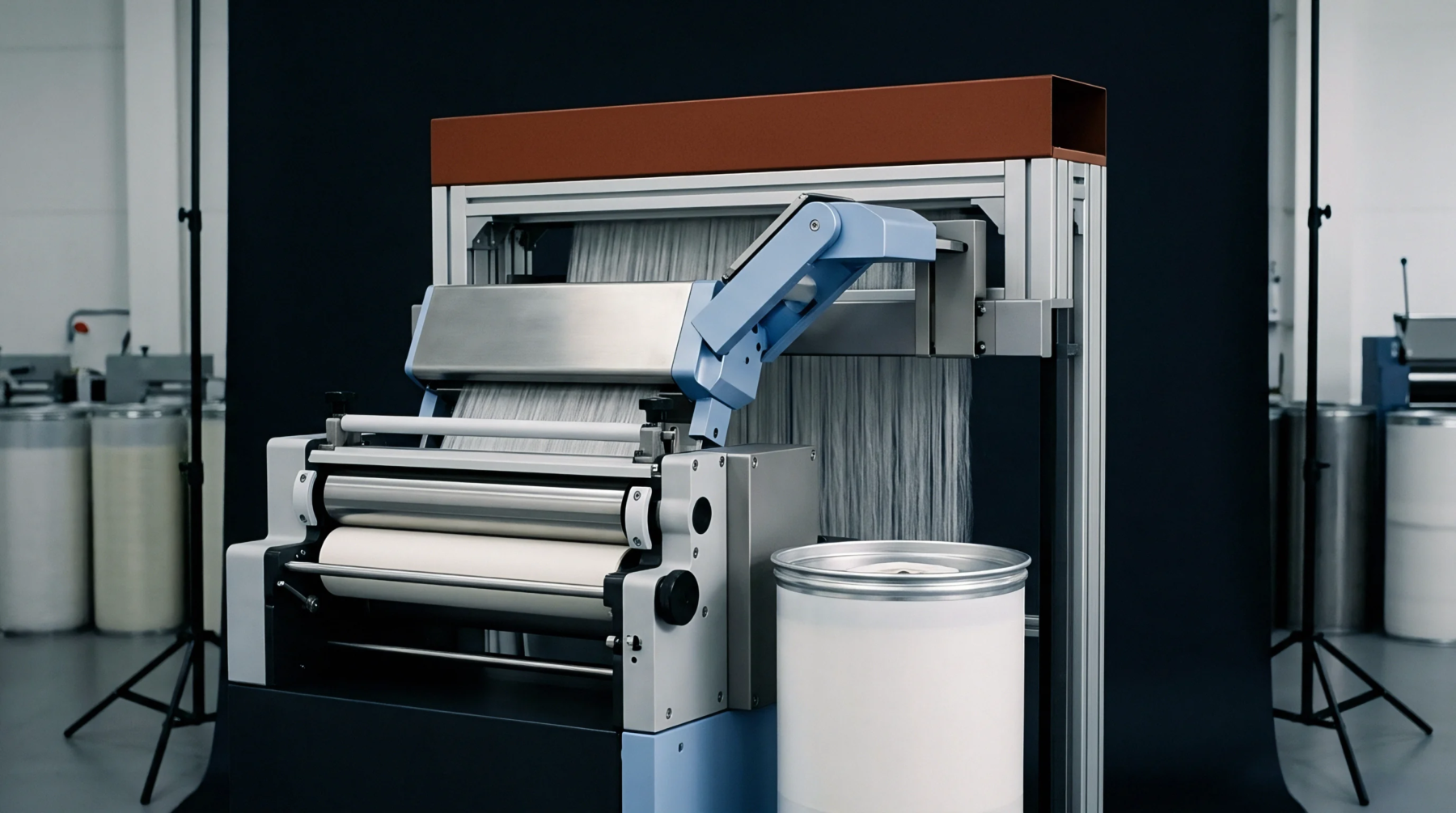
Determining the characteristics of wool tops and raw fleece is done by using a high resolution digital camera that tracks fibres as they pass under its lens. Application of ofda 4000 provides a complete image analysis system for measuring mean fibre diameter and identifying individual fibre length during the scanning cycle. This hardware moves beyond older manual methods by combining optical diameter checking with mechanical staples measurement in a single pass of the sample.
It generates multiple statistics simultaneously including medullation, curvature and the diameter standard deviation for every batch. The resulting information is used to certify wool lots for sale or to guide the settings of spinning machinery during the conversion into yarn.
Sensor Sequence
Operation of the scanner involves distributing individual fibres evenly across a glass slide which is then illuminated for automated recognition. Inside ofda 4000, the high speed capture allows for the measurement of over twenty thousand fibres in less than a minute with zero fatigue for the analyst. Software filters out foreign debris such as dust or vegetable matter so the only measurements recorded are from genuine wool segments.
Every capture is processed in real time to show the fibre density and the distribution of widths across a wide graphical display. The system also tracks the physical shape of the fibre edges to check for damage caused by over scouring or mechanical stress during pre cleaning stages. Regular calibration against international reference materials ensures the electronic eye stays focused within specific micron boundaries.
Technical Boundary
Correct results depend on the temperature control within the scanner housing to ensure consistent light path stability for the optical focus. Using ofda 4000 requires that the wool moisture content be regulated at standard room levels before the fibres enter the measuring zone. If the humidity is too high, the fibres appear thicker on camera, leading to a downgrade in the final reported fineness of the batch.
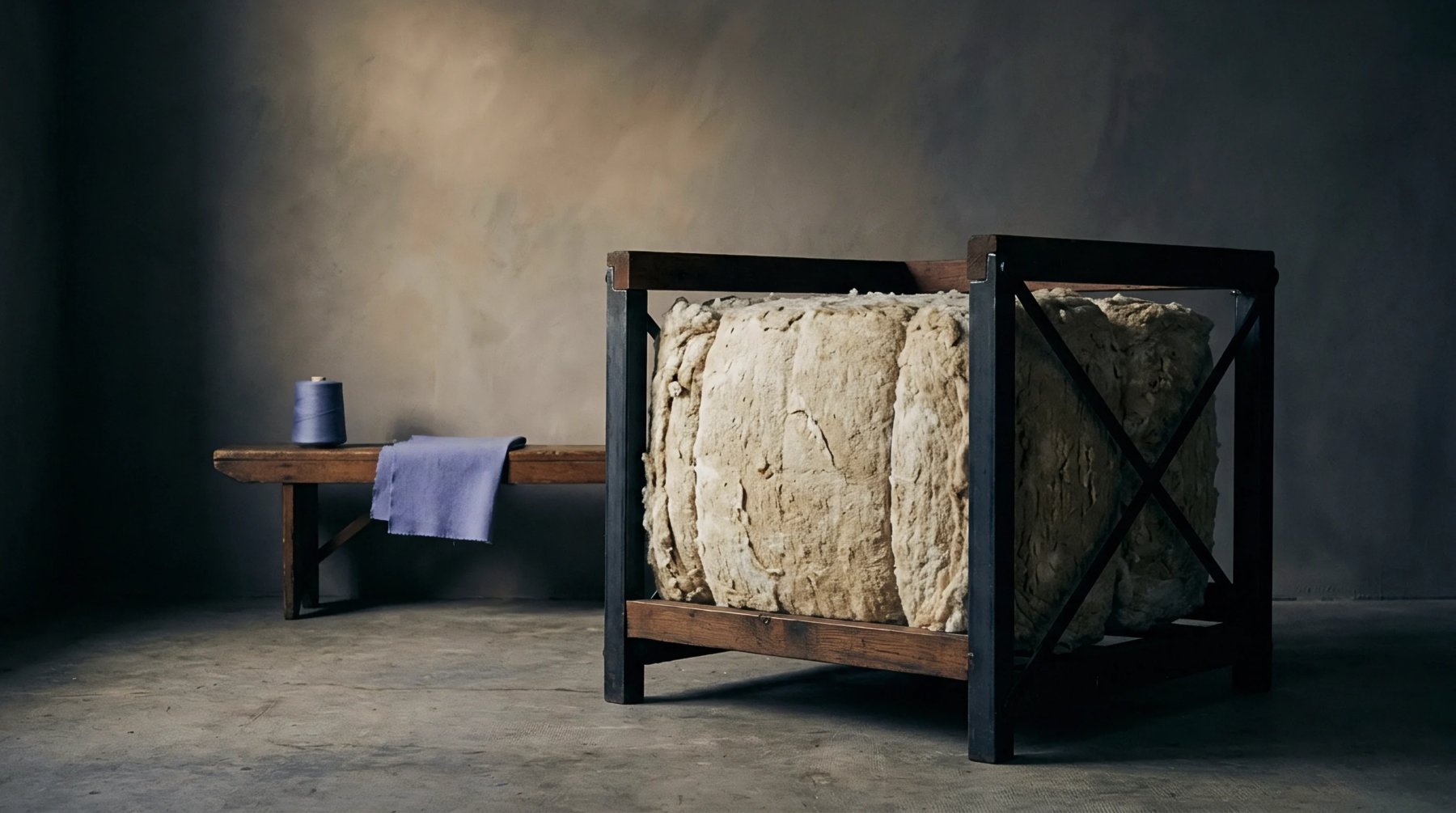
This machine is particularly useful for fine luxury fibres where even a small error in length measurement would alter the economic value by hundreds of dollars per bale. It stays suitable for raw, scoured or combed wool items, providing a complete history of the fibre development from start to finish. If the analysis shows excessive fibre curvature, it signals potential spinning difficulties that require adjustments to the yarn lubrication schedule.
Record Utilization
Final output from this optical process is presented in a certificate that guarantees the mechanical properties of the wool lot to potential buyers. Usage of ofda 4000 allows for rapid comparison between multiple supplier sources by looking at identical metrics captured under identical conditions. The reports identify any coarse hairs present in the fine mix that could lower the perceived quality of knitwear once it hits the retail floor.
Every digital scan is archived to provide a chain of custody for the wool fineness data that brands use in their seasonal procurement decisions. Retailers trust these certificates because they represent a scientific, repeatable count that survives scrutiny by international audit teams. Constant monitoring with high end camera setups maintains the reliability of the global fibre trade.