Light Dispersal
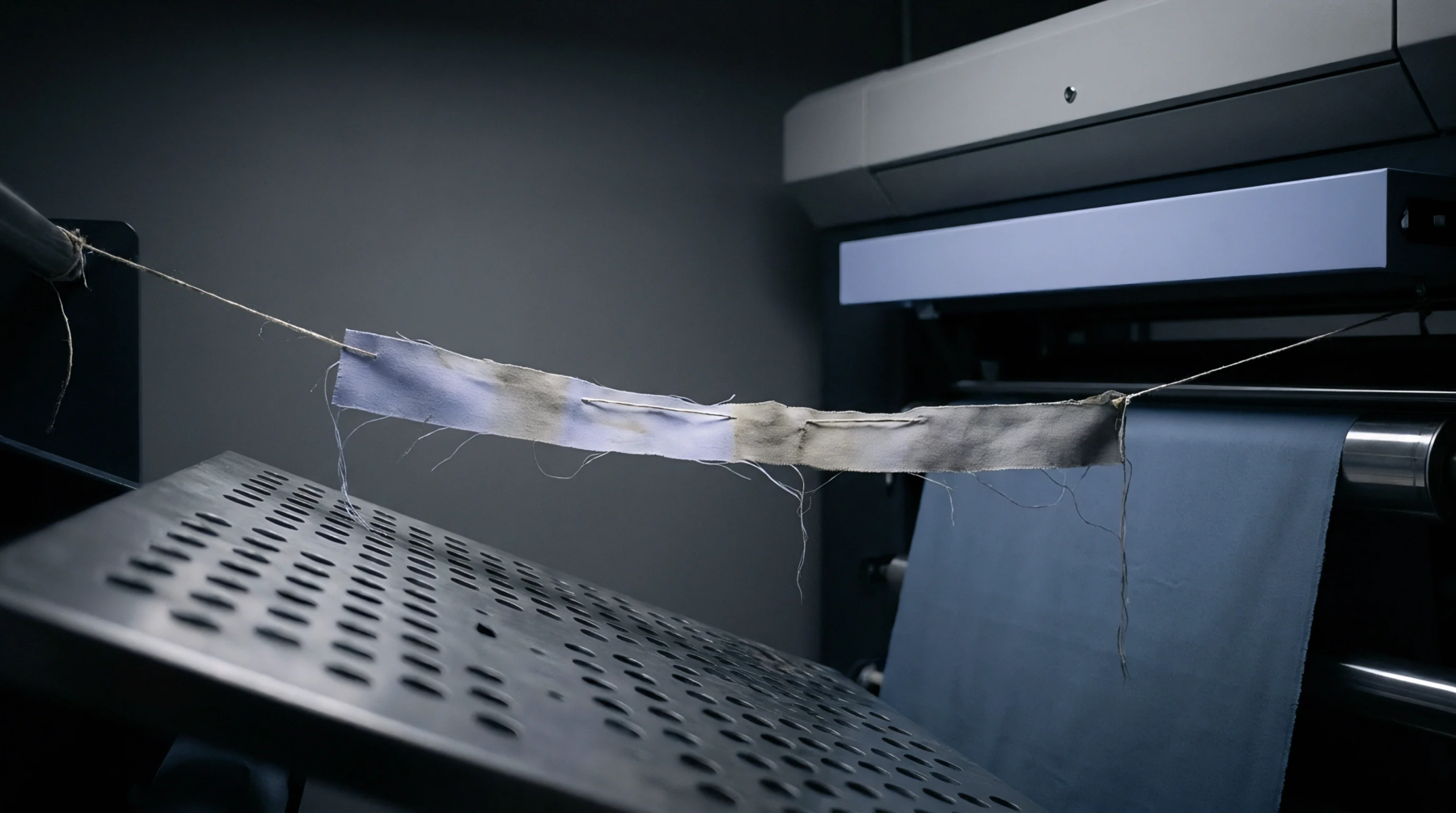
Electromagnetic radiation penetrates a turbid or fibrous material to a specific distance before its intensity drops to a fraction of its initial surface value. The optical penetration depth of a textile substrate determines how deeply light travels into the yarn structure before being absorbed or scattered back out. This parameter depends on both the concentration of dye within the fibers and the physical arrangement of the fibers themselves.
Measurement Boundary
Determining the required sample thickness for accurate spectrophotometric evaluation depends on this distance. When the optical penetration depth exceeds the thickness of a single layer of fabric, light passes through the specimen and reflects off the background surface, distorting the color measurement. Textile testing laboratories must fold or layer fabric samples to guarantee that the measured reflectance originates solely from the textile structure.
Dye Distribution
Calculating the depth of dye penetration provides critical data during the optimization of continuous dyeing or printing lines. When dyes do not penetrate deeply into the yarn bundles, the fabric can display a frosty or uneven appearance after a brief period of wear. Increasing the pressure of the application roller or adding wetting agents helps to extend this depth and secure a solid color appearance across the entire fabric surface, ensuring that abrasion does not expose undyed fibers underneath.
Calibration Accuracy
Quality control departments use numerical models of light transport to predict color matching behavior on textured fabrics. These models fail when the penetration depth varies across different areas of the garment because of differences in yarn density or pile orientation. Consistent monitoring of fabric thickness during production prevents these optical anomalies from causing color mismatch disputes during final garment inspection.