Hydraulic Circulation
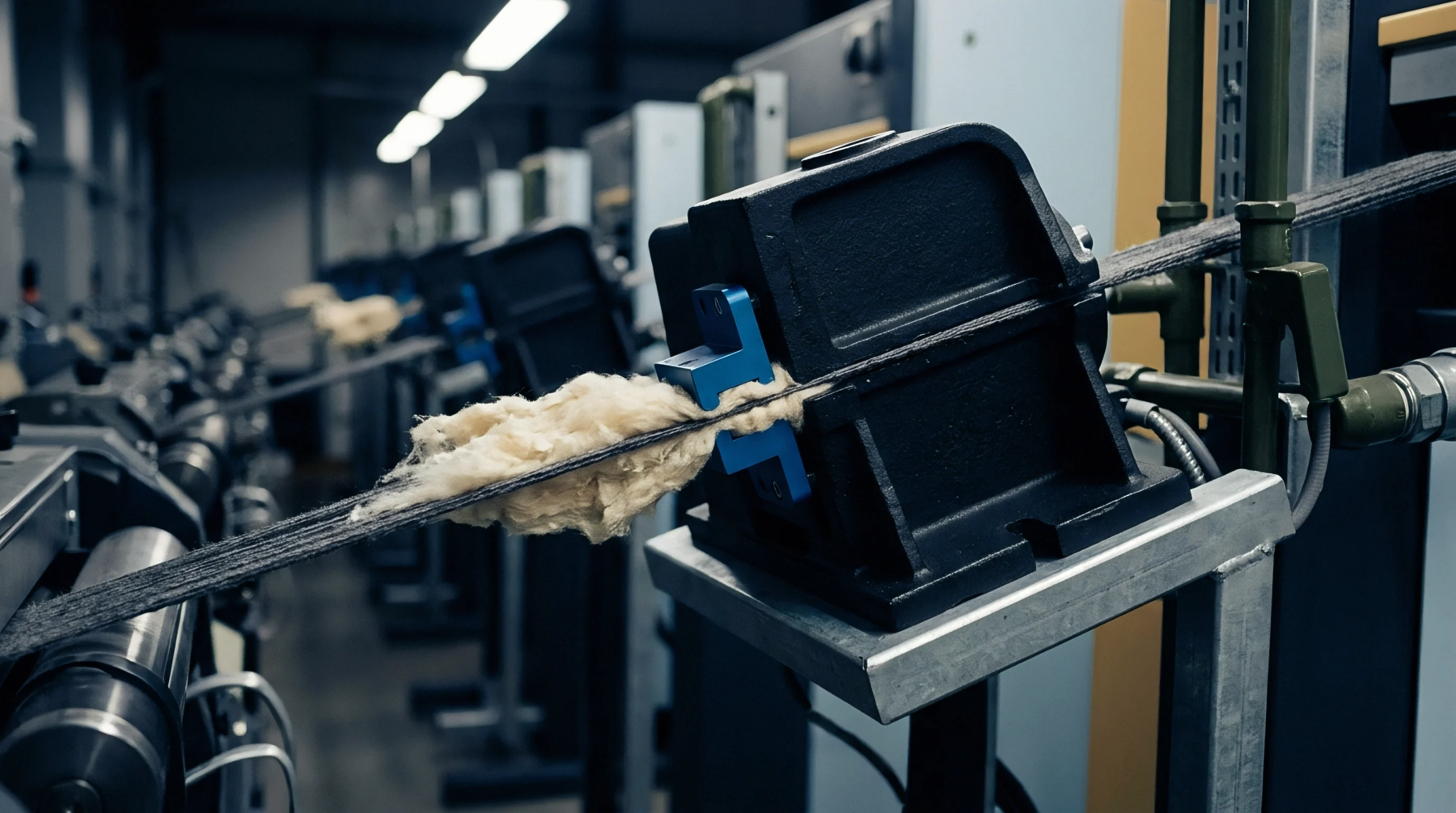
Textile processing equipment utilizing pumped liquor flow to circulate continuous loops of rope form fabric through a pressurized chamber without mechanical reels is designated as an overflow dyeing machine. Liquid movement drives the goods forward while a tailored nozzle applies supplementary liquor to lubricate the material against internal metal surfaces. Mills deploy this liquid transport system during wet processing stages to eliminate tension marks on delicate knitted goods.
Woven and knitted cellulose or synthetic substrates receive uniform dye penetration because the pumped liquor carrier maintains constant contact between dyestuff molecules and moving textile surfaces. Production managers verify liquor ratio efficiency and fabric speed at the commercial dyeing checkpoint before dispatching wet processed goods to finishing departments. Internal liquor headers push fluid past adjustable constrictions to generate a specific hydrodynamic force that carries the textile rope without pulling stress.
Rope velocity depends on pump displacement and nozzle pressure settings adjusted by operators on the mill floor. Excess liquor accumulates in the lower sump where filtration screens remove loose lint before recirculation pumps draw the bath back into the heat exchanger. Operating temperatures reach high levels required for synthetic fiber dispersion while maintaining structural integrity across delicate loop constructions.
Mechanical Configuration
Vessel construction relies on heavy gauge stainless steel plates welded internally to create smooth glide paths free from sharp edges that might snag looped material. Internal loading winches pull grey goods into the chamber during initial charging before ends are sewn together to form an endless strand. Heat exchangers mounted externally regulate liquor temperature during the heating phase while circulation pumps maintain continuous fluid exchange.
Nozzle assemblies feature interchangeable rings that alter the annular gap to suit varying fabric weights ranging from lightweight jersey to heavy fleece.
Process Mechanics
Fluid dynamics within the pressurized tube dictate how efficiently dyestuff transfers from liquor into the amorphous regions of polyester or cotton fibers. Liquor circulation rates determine the frequency of fabric passage through the wetting zone, directly influencing shade leveling across large batches. Differential pressure across the nozzle creates a pulling force that assists mechanical lifter reels in transporting the rope through upper transport sections.
Liquor filters trap loose fibers shed during high speed circulation, preventing pump cavitation and nozzle clogging during long processing cycles. Dyestuff migration occurs rapidly when thermal energy supplied by external heat exchangers activates molecular diffusion inside the swollen fiber matrix.
Operational Boundaries
Processing limits appear when heavy fabric constructions absorb excessive liquor, increasing the total weight of the moving rope beyond the carrying capacity of the hydraulic jet. High liquor ratios dilute dye concentration in the bath, reducing exhaustion rates and forcing mills to consume additional chemical auxiliaries to achieve target shades. Delicate elastomeric blends suffer permanent elongation if pump pressures exceed safe hydrodynamic thresholds during high temperature scouring cycles.
Dyehouse operators adjust nozzle clearances continuously to prevent rope tangling inside the storage J box when processing slippery synthetic filament yarns. Substrates containing low twist spun yarns shed excessive lint that bypasses primary filtration screens and fouls internal heat exchanger fins over extended production runs.