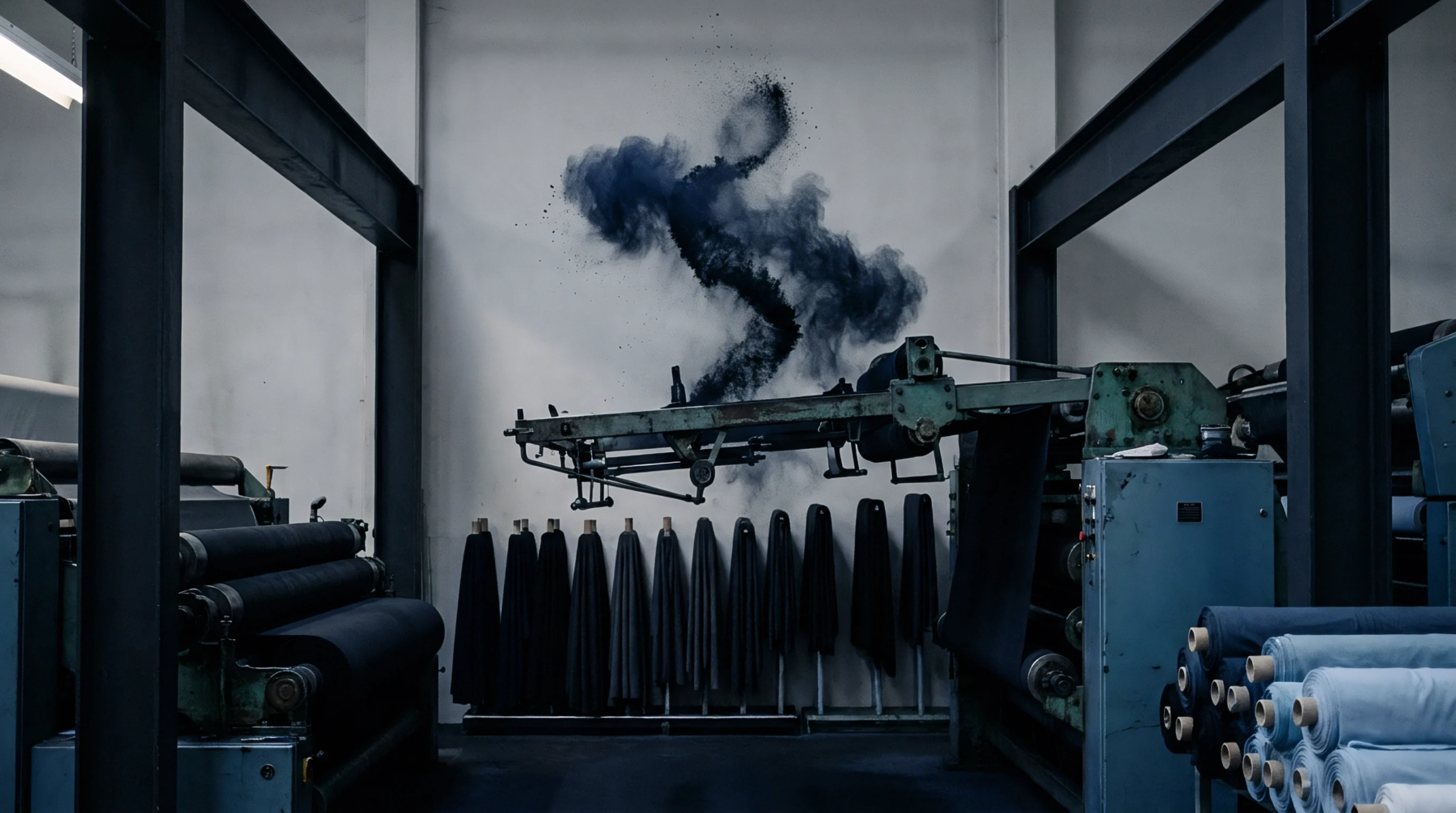
Fluid Circulation
Fluid dynamics within a closed-loop textile dyeing system govern the distribution of chemical solutions through stationary yarn packages. The study of package dyeing hydraulics focuses on the relationship between flow velocity and fluid pressure inside the vessel. This analysis is critical for maintaining a uniform concentration of dye molecules throughout the compressed yarn wound on perforated tubes.
It prevents the development of inner-to-outer shade variations during industrial processing.
Pump Performance
Circulation pumps must deliver sufficient head to overcome the resistance of the yarn packages. High-capacity pumps alternate the direction of flow from inside-to-out and outside-to-in at regular intervals to ensure even exposure. If the flow rate is too low, the dye molecules will exhaust on the yarn closest to the entry point, creating a gradient.
Adjusting the flow reversal cycle helps to counteract this tendency and guarantees a level dye application.
Structural Design
Design of the perforated spindles and the layout of the carrier frame are optimized to ensure even flow distribution. If the flow velocity is unevenly distributed among the spindles, some yarn packages will receive less liquor than others, which leads to batch-to-batch inconsistencies. Incorporating balance valves and pressure sensors helps to stabilise the hydraulic conditions across the entire load.
This engineering approach reduces the frequency of reprocessing and improves first-time-right results.
Pressure Monitoring
Dynamic pressure measurements guide operators in adjusting the flow rate. Sudden pressure drops indicate channel formation.