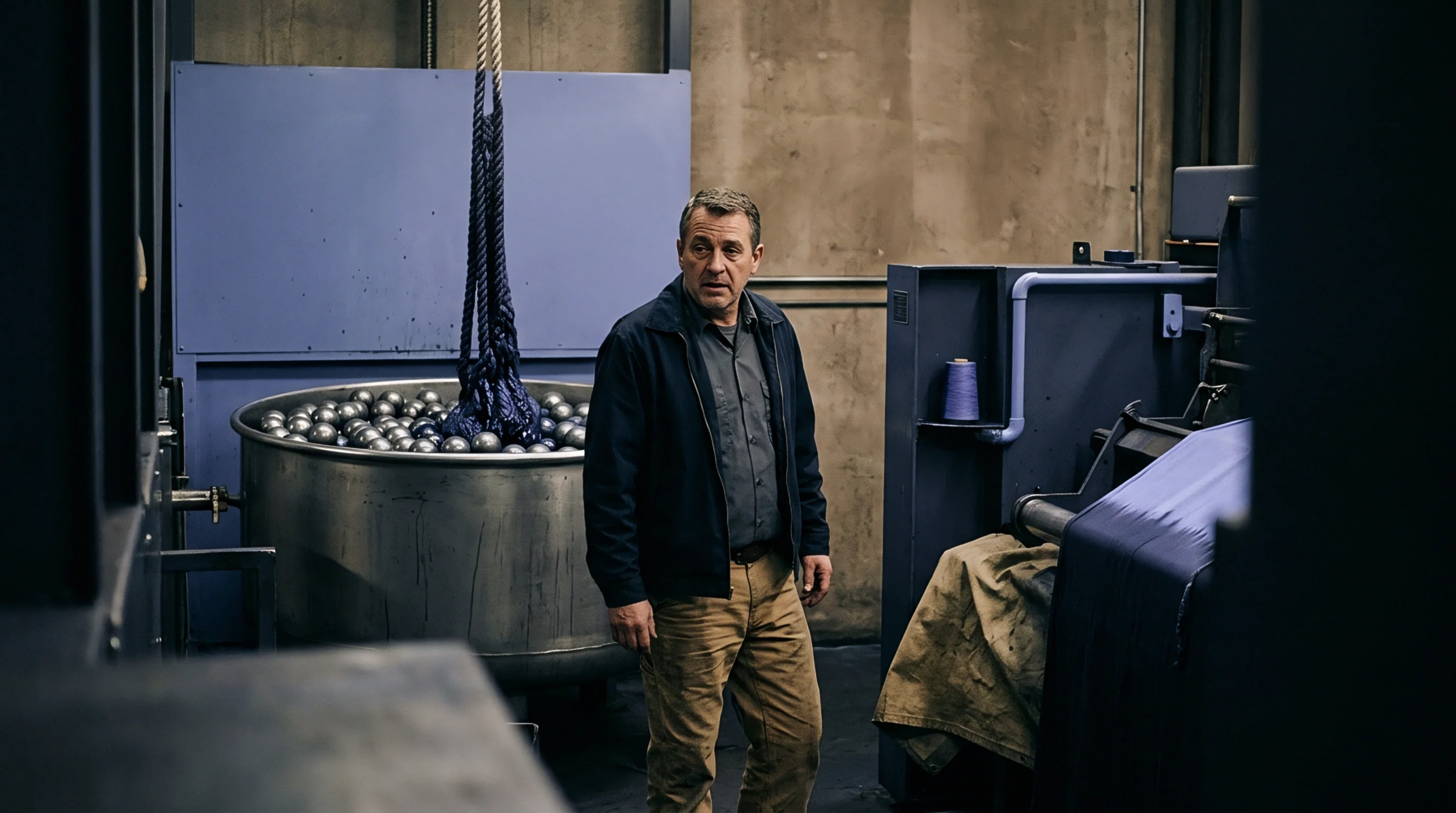
Finishing Technique
Chemical agents are forced into the fibre structure through a continuous sequence of liquid immersion and thermal fixation. The pad-cure application starts with the fabric passing through a trough filled with a specialized finish like a softener or fire retardant. Afterward, heavy rollers squeeze out the excess liquid to ensure a controlled and uniform pickup of the chemical.
Thermal Processing
Entering the curing oven marks the second stage where the fabric is heated to a specific temperature. During pad-cure application, the heat evaporates the remaining moisture and triggers the chemical reaction needed to bond the finish to the yarns. This step is critical for ensuring that the treatment remains effective after the garment is washed by the consumer.
Uniformity Control
Maintaining a consistent pressure across the nip rollers prevents variations in the chemical concentration from side to center. A failure in the pad-cure application can lead to blotchy appearance or uneven performance across the width of the fabric. Monitoring the pickup percentage, known as wet pick-up, is the primary way to verify that the application is meeting the technical requirements of the formula.
Regular checks on the liquor concentration in the trough ensure that the finish does not weaken as the production run continues.
Production Scale
Continuous machinery allows for high volumes of fabric to be treated with minimal downtime. Using pad-cure application is significantly more efficient than exhaust methods used in garment dyeing because the process speed is constant. This method remains the industry standard for applying functional finishes to woven goods.