Continuous Fixation
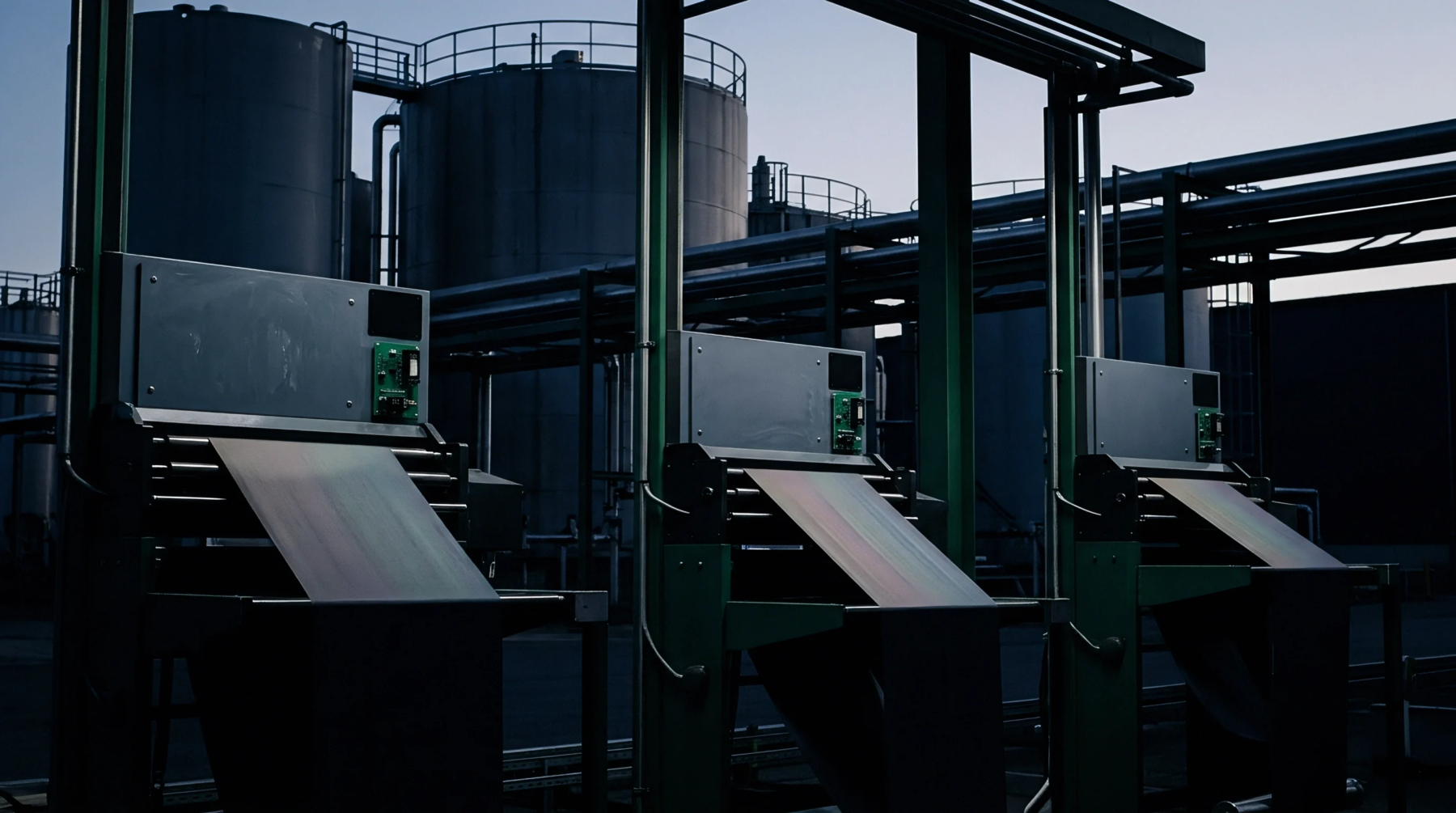
Open-width chemical application followed by saturated atmospheric steaming drives the fixation of reactive and vat dyestuffs on cellulosic fabrics. Operating across high-volume continuous dyeing ranges, the pad steam process integrates chemical impregnation, controlled vaporization, and progressive counter-current washing within an unbroken production sequence. The operational scope of this thermal method terminates when goods exit the positive-pressure steam enclosure into the aqueous rinsing stages.
Vapor Phase Dynamics
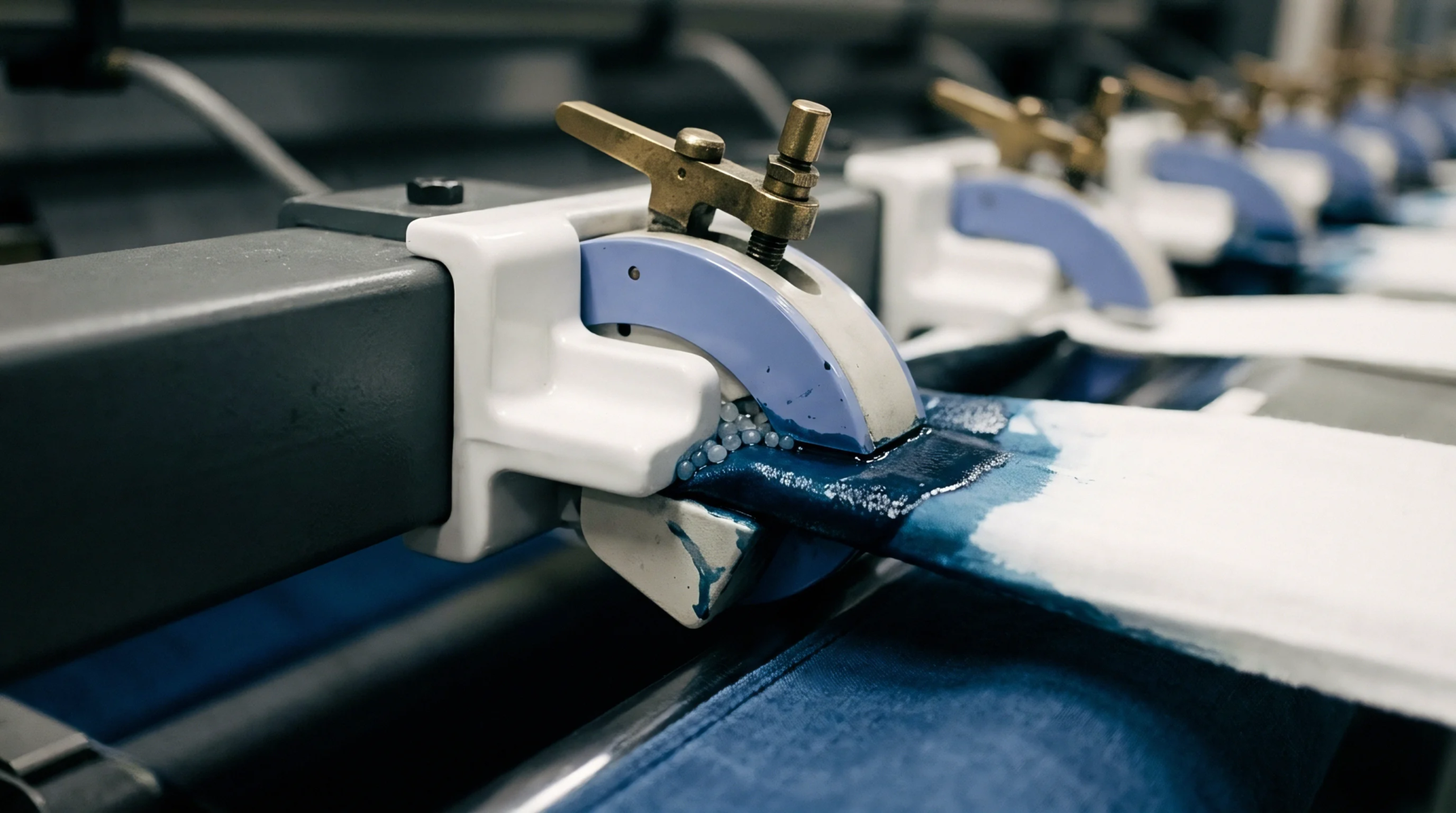
Dyestuff solutions are applied to prepared fabric rolls at the dye padder before entering an intermediate infrared drying chamber. The dry substrate then traverses a chemical padder containing sodium hydrosulfite and sodium hydroxide for vat colors, or sodium chloride and alkali for reactive dyes. Rapid transfer into a saturated steam chamber maintained precisely between 102 and 105 degrees Celsius initiates dye reduction and diffusion.
Saturated steam condensates directly onto the cooler fabric web, dissolving solid salt matrices and liberating latent heat to accelerate dye transport into the swollen cellulosic core. Absence of atmospheric oxygen inside the chamber prevents premature oxidation of reduced leuco-vat dyes during the critical dwell phase, which typically ranges from thirty to ninety seconds. Top rollers within the steamer feature individual heating to eliminate condensation drops that would otherwise cause water spotting on the hot fabric.
Process Control
Strict regulation of chemical padder nip pressures guarantees controlled pick-up, preventing dyestuff migration across the open fabric web. Density hydrometers continuously monitor salt concentrations within chemical pad troughs to preserve constant ionic strength across large lots. Laboratory teams evaluate washfastness according to ISO 105-C06 and wet crocking via AATCC 8 to verify thorough core penetration.
Incomplete steaming generates dull appearances and poor wet rub ratings caused by unfixed dye aggregating on surface fibers.
Wash Progression
Steamer delivery directs the hot open-width web into sequential open-width washing boxes for chemical neutralization, oxidation, and soaping. Counter-current water flow removes residual electrolytes and hydrolysed dye fractions while minimizing total water consumption. Precise temperature staging within the early wash boxes avoids premature dye aggregation.
Consistent steam volume and uniform chemical replenishment sustain reproducible color values across continuous production lots.