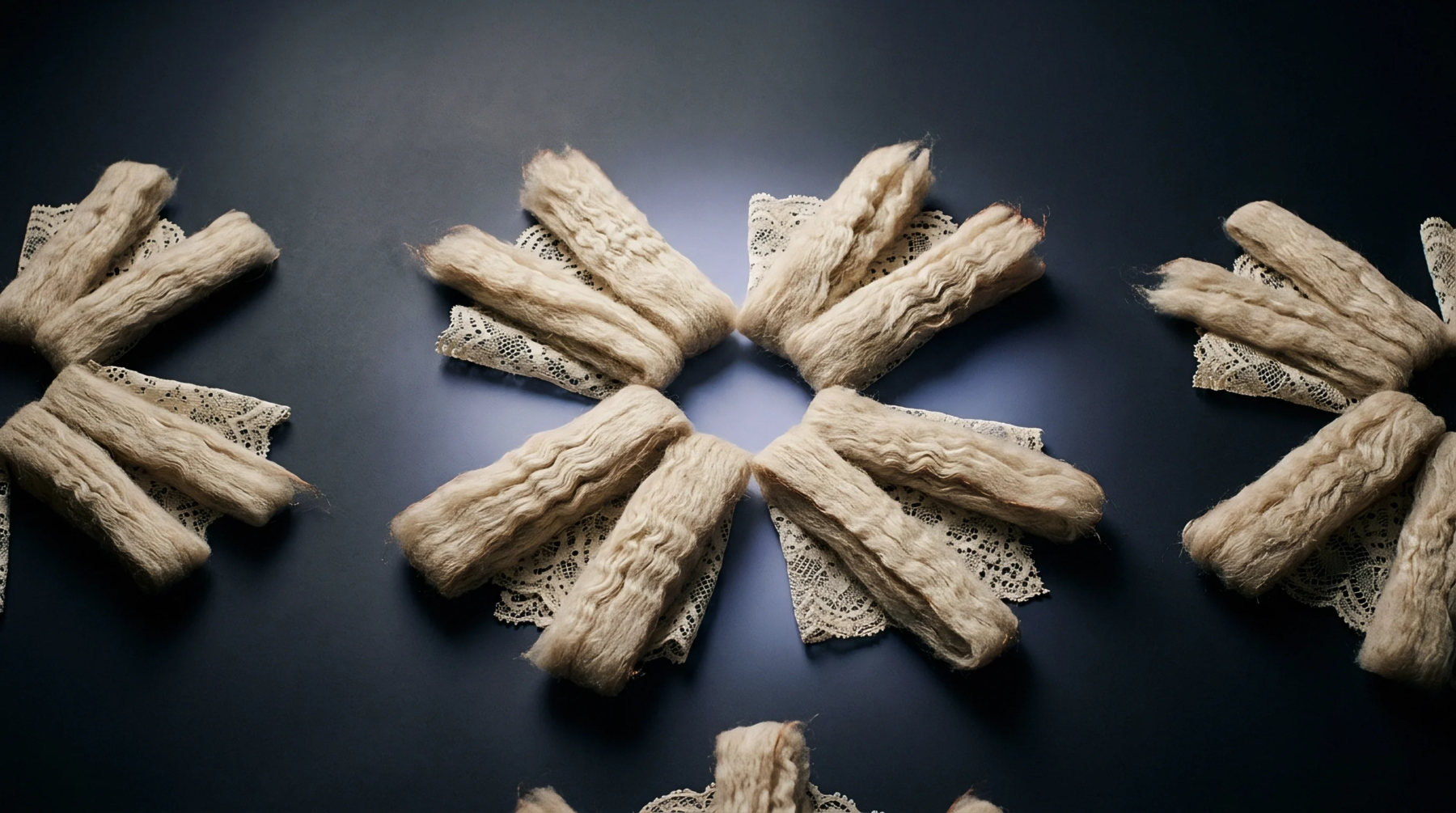
Chemical Titration
A laboratory test method utilizes a pH-sensitive indicator to detect and measure residual alkaline substances in textile specimens after wet processing. In fabric preparation and mercerization, phenolphthalein neutralization is applied to verify that acid washing has successfully neutralized any sodium hydroxide or sodium carbonate used during treatment. This procedure prevents structural damage and skin irritation caused by highly alkaline textiles.
Color Change
Adding a few drops of the indicator solution to the textile specimen triggers a distinct change depending on the pH level. The phenolphthalein neutralization test remains colorless below pH 8.2 but turns to a bright pink or purple above pH 10.0, indicating the presence of active alkali. This visual change allows operators to make immediate adjustments to the acidic rinsing baths on the production line.
Residual Alkali
Excess alkali on the fabric can react with finishing agents or dyes during subsequent drying and curing phases. This reaction causes uneven color development or yellowing of white fabrics, leading to serious quality defects.
Process Optimization
Implementing this simple and rapid check at the exit of the washing range ensures that only neutralized fabrics are sent to the stenter for drying. It minimizes the use of rinse water while guaranteeing that the final product complies with global pH standards.