Moisture Regulation
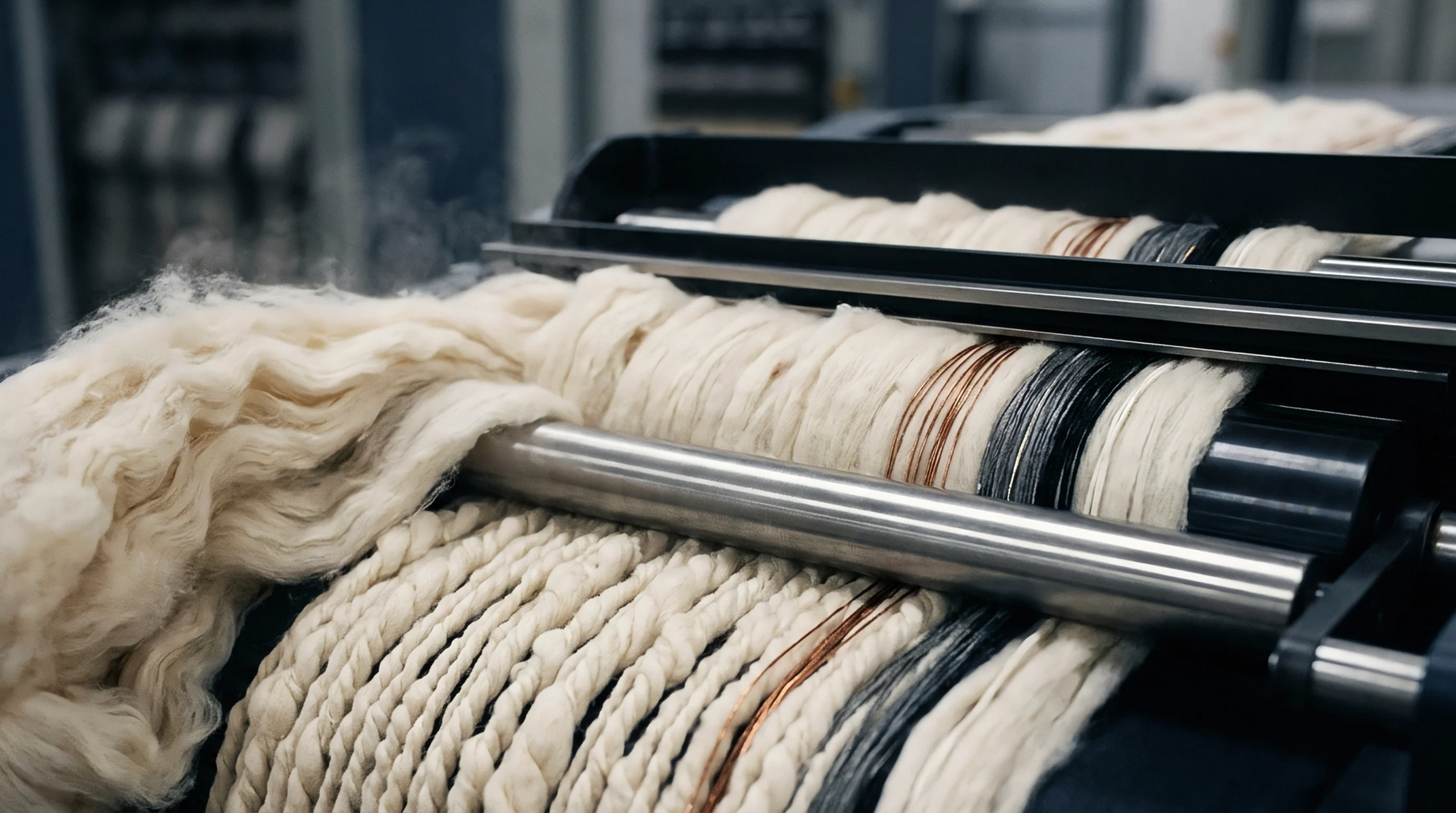
Atmospheric governance determines the exact amount of water vapor maintained inside mill floors during yarn spinning and sizing operations. Relative humidity control prevents the brittle snapping of dry cellulosic fibers and stops the limp clinging of overly damp staple strands. Precise hygrometric regulation keeps ambient moisture within strict boundaries across carding rooms and weaving sheds.
Unchecked air conditions alter yarn tension abruptly during high speed knitting runs. Dry drafts cause cotton to shed lint excessively and snap under mechanical load. Humid air swells natural fibers until warp ends stick together in the sizing crevat.
Technicians verify hygrometer readings against hygrometric charts before shifting batches into grey goods storage. Ambient moisture limits depend strictly on fiber composition and yarn twist levels. Wool requires higher water vapor concentrations than synthetic filament to prevent static accumulation during drafting.
Hygrometric Physics
Psychrometric equilibrium dictates the exact ratio of water vapor present in textile workrooms relative to maximum saturation capacity at identical temperatures. Hygrometric equilibrium shifts whenever outdoor weather changes or steam lines vent into production bays. Air washers spray atomized water droplets directly into ventilation ducts to raise ambient vapor pressure.
Refrigerated cooling coils condense excess moisture out of circulation streams whenever outdoor dew points rise too high. Atmospheric sensors measure wet bulb depression continuously and transmit pneumatic signals to water injection valves. Mill engineers calibrate these hygrometric instruments against certified sling psychrometers every week.
Water vapor migration alters yarn diameter and elasticity during critical drafting phases. High moisture content increases fiber friction coefficients inside ring frames. Low humidity causes electrostatic charges to build up rapidly across synthetic blending lines.
Finishing Tolerances
Dimensional stability tests depend entirely on ambient moisture management during final fabric setting and heat treatment stages. Fabric dimensions shift unpredictably when conditioned in uncontrolled warehouse environments before cutting. Shrinkage testing laboratories maintain strict atmospheric standards so buyer claims remain defensible during dispute resolution.
Finished cotton twill samples must sit inside standard climate chambers for twenty four hours prior to warp distortion measurements. Synthetic blends react less severely to ambient moisture fluctuations than pure protein fibers. Operators record room conditions continuously on rotating drum charts during physical property testing protocols.
Commercial Verification
Quality inspectors check hygrometric compliance records before signing final bills of lading for delicate silk and wool consignments. Commercial buyers reject export shipments if mill logs show moisture levels drifted outside contractual tolerances during weaving. Auditors examine hygrometer calibration certificates during every factory social and technical audit.
Correct ambient management protects stored grey fabric from mildew attack and enzymatic degradation prior to wet processing. Proper moisture regulation ensures finished textile goods meet strict international standards for mass per unit area.