Hybrid Construction
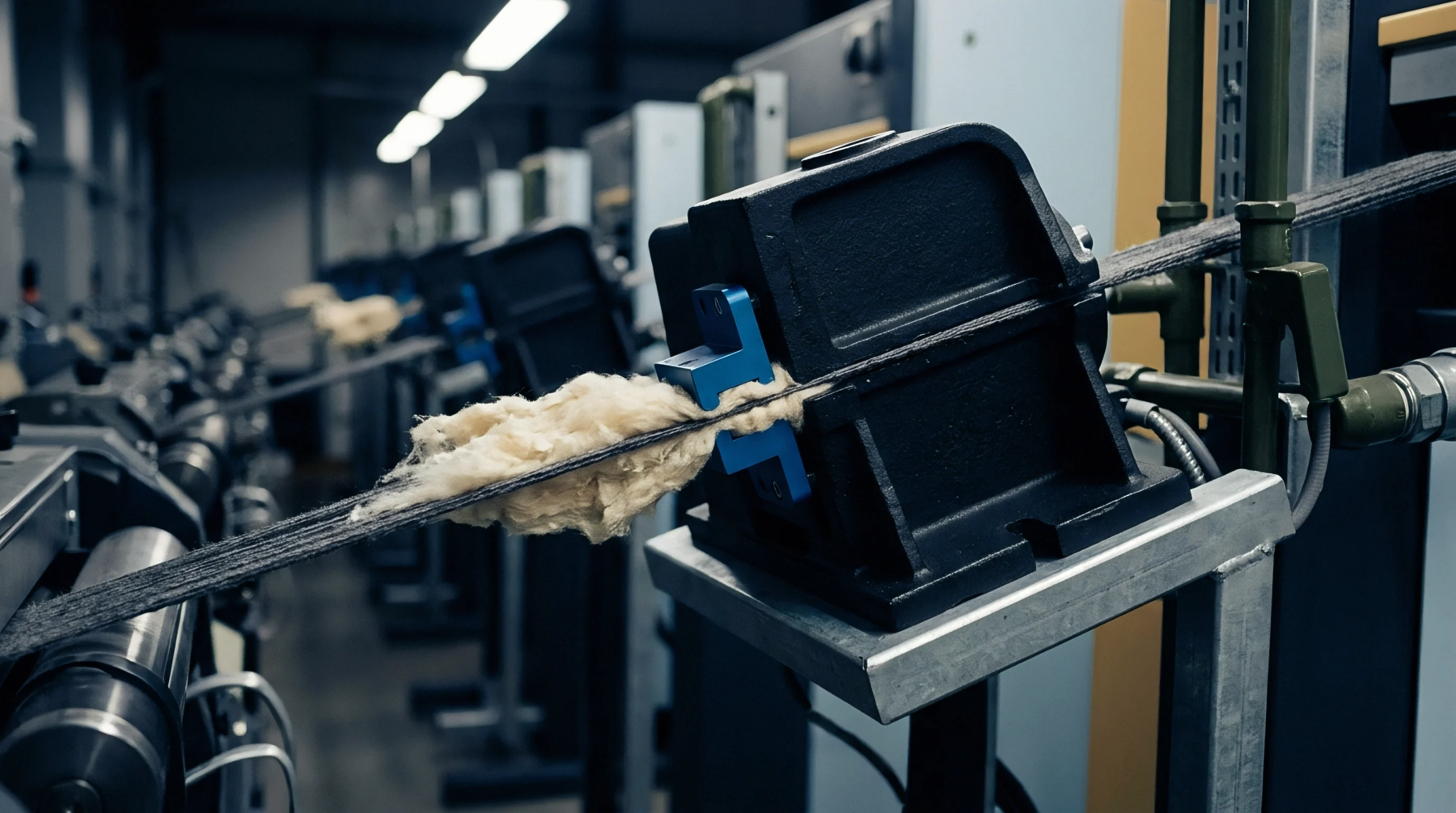
A textile structure consisting of a central filament hidden by an outer sheath of staple fibres provides a combination of strength and natural aesthetics. The production of ring core-spun yarn involves feeding a continuous strand, typically polyester or elastane, through the center of the drafting zone while staple fibres wrap around it. This method creates a material that looks and feels like cotton or wool but possesses the technical properties of the core.
Stretch Performance
Integrating a polyurethane core allows the final fabric to recover its shape after deformation. In the case of ring core-spun yarn used for denim, the cotton sheath ensures the fabric takes dye correctly and feels comfortable against the skin. The core provides the elasticity needed for tight-fitting styles without the sagging associated with pure natural fibres.
Strength Advantage
High tenacity filaments used as the center-piece increase the breaking force of the strand notably. This ring core-spun yarn is essential for heavy duty workwear and sewing materials where mechanical failure is not permitted. The outer fibre layer protects the synthetic core from heat and UV degradation, extending the life of the garment.
Maintaining Precision
Maintaining the core in the exact center of the drafting field requires specialized attachments for the ring frame. If the filament shifts to the side, the ring core-spun yarn will show the core on the surface, which causes dyeing defects and poor handle.