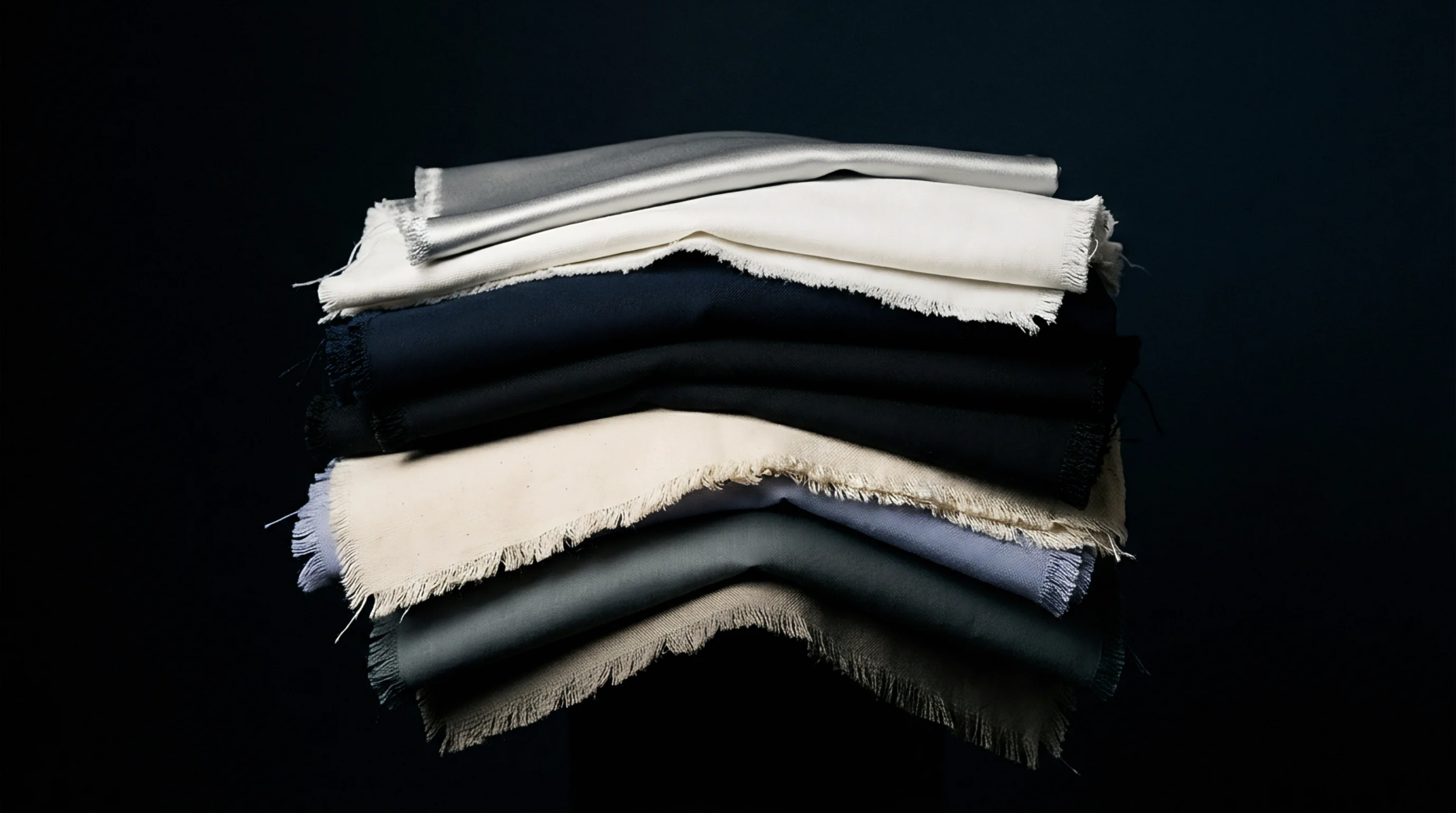
Production Boundary
Fabric construction requires the removal of excess outer edges formed by the shuttle or rapier during weaving. The selvedge trim involves the physical cutting of these heavy or decorative margins to achieve a uniform width before dyeing or finishing. Excess material is detached at the entry point of the tenter frame where high speed blades run parallel to the cloth length.
Factory standards dictate the distance from the actual weave interface to prevent fraying while ensuring the remaining edge meets the required measurement for final garment pattern layout.
Material Disposal
Scrap collection systems suck these loose filaments into a secondary hopper for waste management. Mills separate synthetic edge clippings from natural fibre offcuts to maintain the purity of recycled streams. Operators monitor the vacuum pressure to ensure no heavy strings pull back into the tenter clips and cause a snag.
Constant tensioning prevents the loose strips from tangling around the drive rollers.
Width Consistency
Measurement of the finished fabric depends on the precision of the edge removal. Deviations in the cutting line force a reduction in the useable width of the total roll. Quality technicians verify the distance between the two parallel edges to confirm the fabric matches the technical specification sheet.
Uniformity in this process allows automatic cutters in garment factories to nest patterns without wasting cloth at the margins.
Waste Reduction
Sustainability targets depend on how cleanly a mill executes this removal. Narrower margins saved across millions of meters reduce the volume of textile landfill contribution. Efficient machinery minimizes the width of the discard without compromising the integrity of the fabric edge.
Tight control over the cutting blade position yields a higher percentage of profitable yield from every loom state batch.