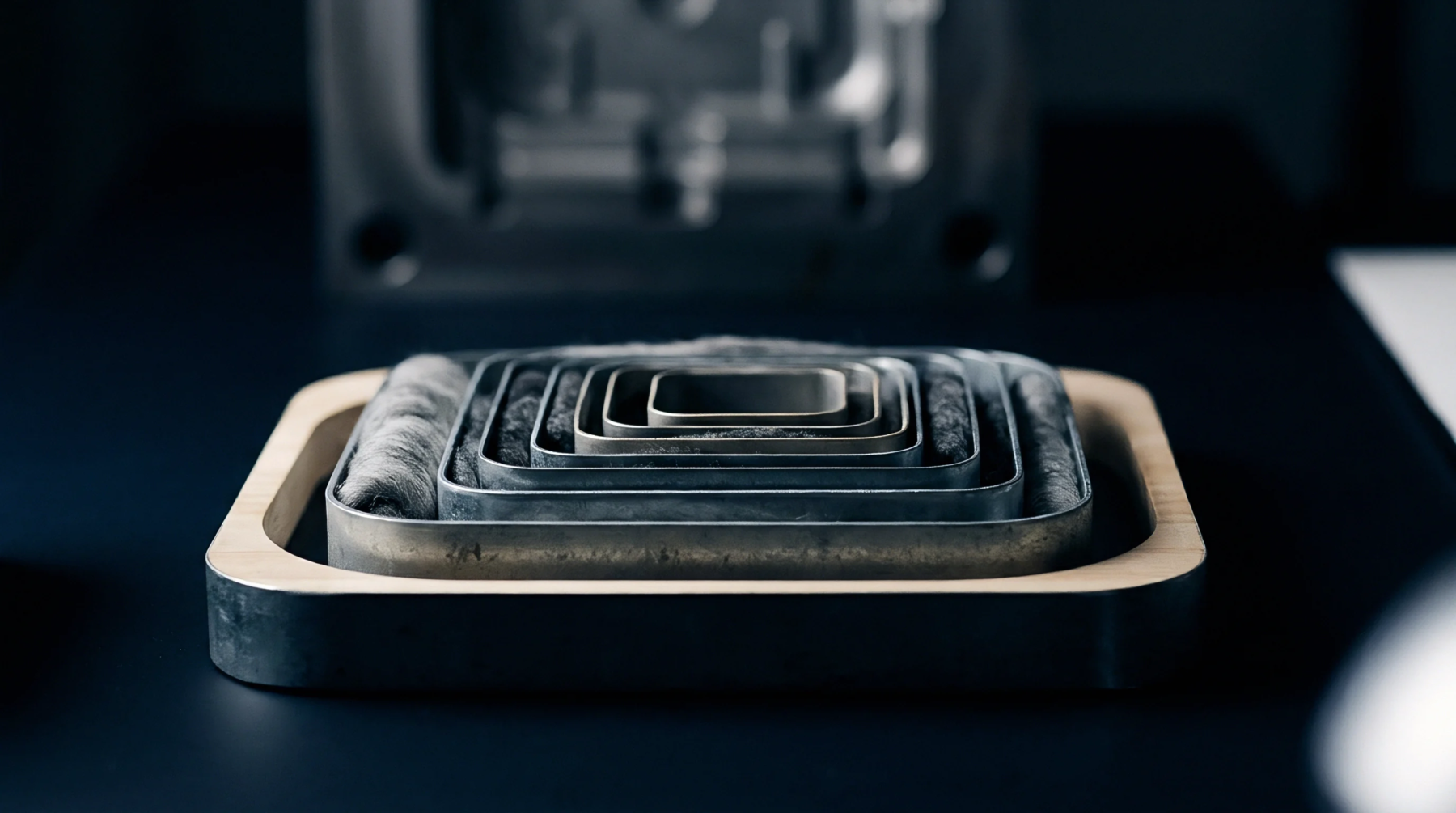
Scouring Preparation
Initial cleaning stage where a specimen is washed with a specific chemical removes surface contaminants before analysis. Effective solvent pre-treatment removes spinning oils, waxes, knitting lubricants and paraffin that might interfere with chemical solubility tests. This step is a standard requirement in many ISO and AATCC fiber identification methods.
Extraction Method
Technicians use a Soxhlet apparatus or a simple immersion technique to dissolve surface contaminants. During the solvent pre-treatment, the fluid circulates through the sample to ensure that all internal and external additives are reached. Petroleum ether or hexane is commonly chosen for its ability to dissolve fats without damaging the primary fiber structure.
Result Reliability
Calculation of the percentage of wool or cotton in a blend depends on knowing the true mass of the fibers. Skipping the solvent pre-treatment leads to an overestimation of the weight of the extracted components.
Hazard Control
Handling the chemicals used in this process requires fume hoods and specialized storage to prevent fire or inhalation risks. The choice of solvent pre-treatment must account for the sensitivity of the fibers, as certain chemicals can melt or weaken synthetic filaments. Disposal of the used solvent follows strict environmental regulations to prevent pollution.
Careful drying after the wash ensures that no residual solvent adds mass to the specimen before the final chemical analysis. Thorough cleaning at this stage protects the accuracy of the final fiber content report.