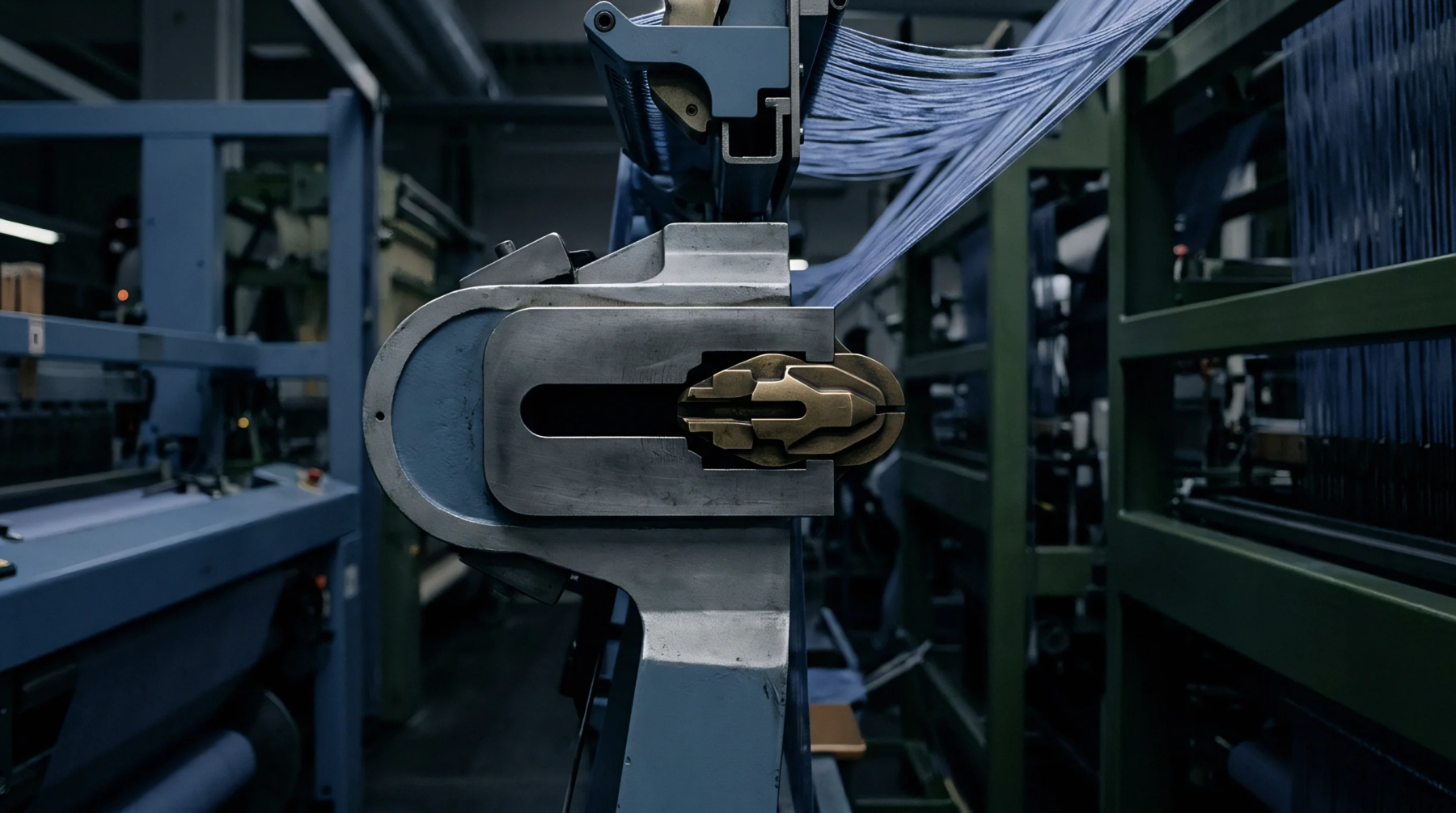
Loading Mechanism
Hydraulic or pneumatic force applied to finishing rollers dictates the extent of moisture removal from textile substrates during wet processing. The squeeze roll nip pressure functions as the mechanical energy transmitted through the contact area of two counter rotating cylinders to expel liquor from open width fabric. Limits are established by the compressibility of the roller cover and the structural integrity of the fibre architecture under concentrated stress.
Hydraulic Regulation
Controlled delivery of force maintains consistent expression levels across the length and width of the material during padding operations. Operators adjust the pump output to reach a specific bar or psi setting calculated for the fabric weight and chemical finish requirements. Higher readings produce lower wet pickup percentages by forcing liquid from the interstitial spaces of the yarn bundles.
Uniformity across the contact line determines the final consistency of additives such as resins or flame retardants applied to the cloth surface.
Surface Compression
Variations in roller hardness alter the effective width of the contact zone and change the distribution of the force applied to the goods. Soft rubber covers increase the footprint of the nip which produces a lower peak intensity at any single point along the cross section. Hard steel rollers produce an extremely narrow zone with maximum peak intensity that risks crushing sensitive fibres or unevenly distributing softeners.
Correct selection of roller durometer alongside the load settings prevents uneven drying or mark off issues in subsequent thermal fixation stages.
Production Consequences
Improper settings lead to inconsistent exhaustion of dyeing auxiliaries or finishing agents that become visible as shading or spotting during inspection. Excessive force causes mechanical deformation of the fibre structure which reduces the bulk and hand feel of synthetic or delicate natural materials. Under application leads to uneven chemical distribution that impacts the performance of the fabric during later consumer use.
Final quality of the textile relies upon the precise maintenance of this mechanical variable against the known load bearing capacity of the fabric construction.