Rail Dimension
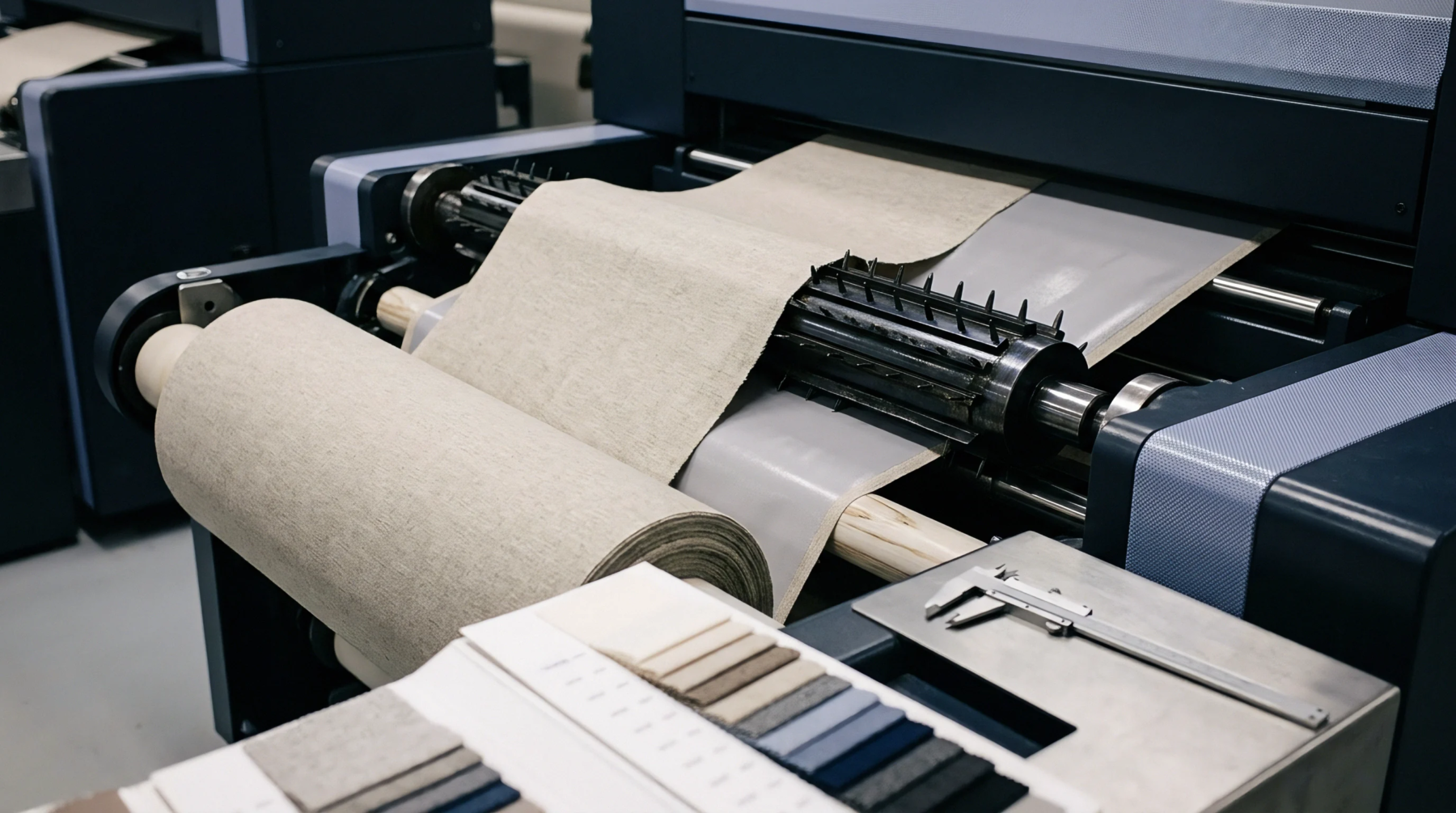
The physical distance between parallel pin or clip chains in a continuous textile drying and heat-setting machine controls the final usable width of processed fabric rolls. The stenter frame width is mechanically adjusted to apply lateral tension or overfeed allowance during wet finishing operations. Machine operators set rail spacing based on target fabric specifications and residual shrinkage allowances.
Proper width configuration prevents edge distortion while heat-setting synthetic fibres or drying wet cotton webs.
Mechanical Adjustment
Extending chain rails outward stretches the damp fabric laterally, increasing finished width while reducing fabric weight per unit area. Setting stenter frame width too wide introduces high residual weft tension, causing severe laundry shrinkage when consumer garments are washed. Conversely, narrowing rail spacing permits weft yarns to recoil, yielding heavier fabric with lower residual width shrinkage.
Balancing rail expansion with longitudinal overfeed optimizes both fabric stability and yield.
Crimp Balance
Lateral stretching alters weft crimp levels while pulling warp ends straight within the fabric matrix. Adjusting rail distance redistributes crimp between thread systems, modifying directional elongation and tear strength. Uniform rail adjustment across heating zones ensures consistent fabric properties from head to tail of each roll.
Width Verification
Final fabric roll measurement verifies usable width inside selvedges prior to packaging and buyer shipment.