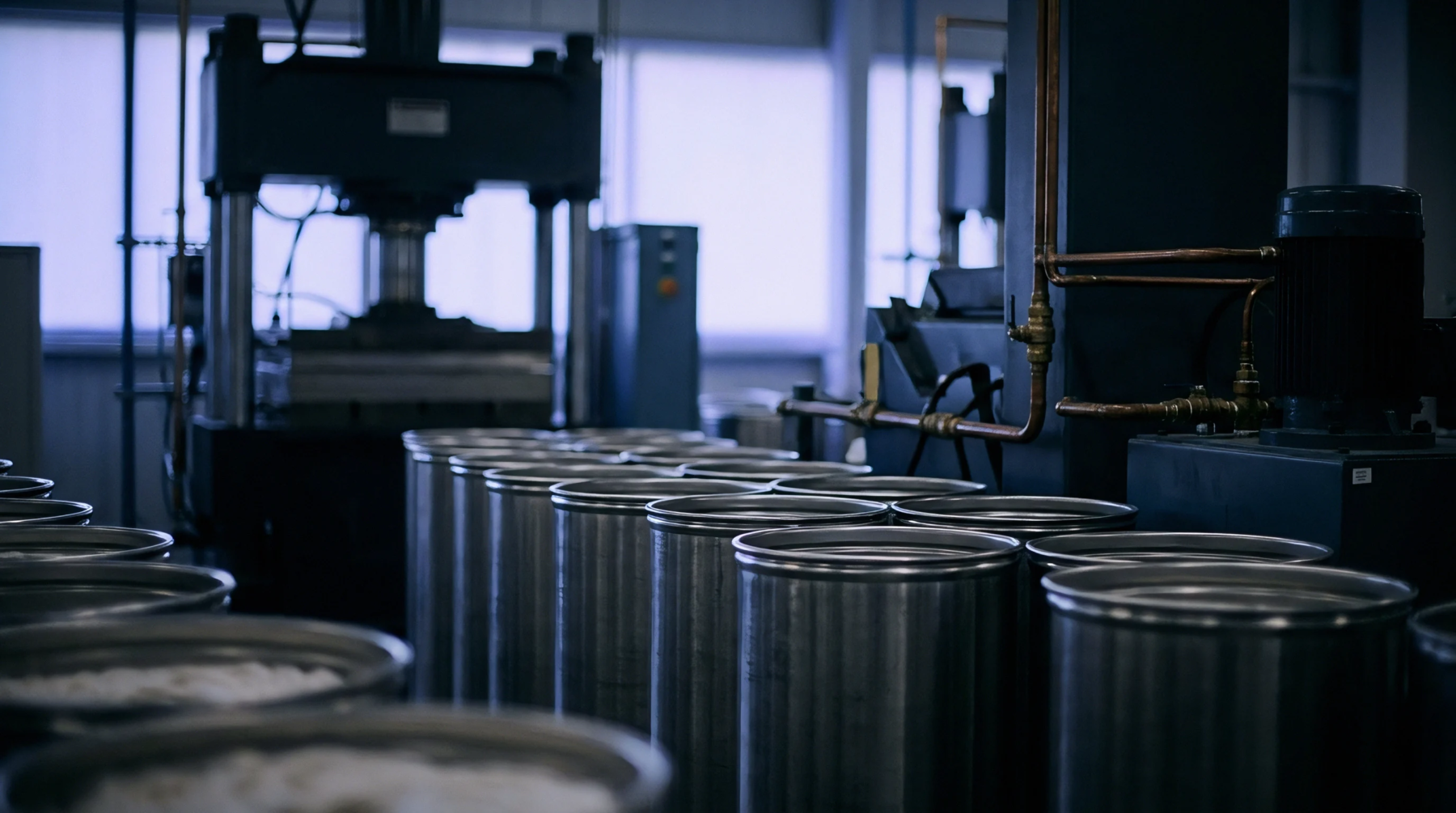
Reaction Optimization
Precise monitoring of chemical reactant ratios in continuous processing units ensures the complete conversion of finishing agents and prevents chemical waste. In textile dyeing and bleaching, stoichiometry control regulates the addition of reducing agents and alkalis to match the fabric mass and dye concentration. This regulation prevents fiber damage and minimizes the residual chemical load in the effluent.
Chemical Ratio
The control mechanism utilizes sensor data, such as pH or oxidation-reduction potential, to calculate the reaction state. In continuous scouring and bleaching ranges, stoichiometry control adjusts the metering pumps to supply hydrogen peroxide and sodium hydroxide in exact proportion to the moving web speed. If the ratio drifts, unreacted chemicals will remain on the yarn, leading to uneven dye uptake or loss of tensile strength.
Mill automation systems execute these corrections within seconds to maintain a stable chemical environment in the reaction chamber.
Bath Concentration
Maintaining the correct chemical balance prevents the over-consumption of expensive dyeing auxiliaries. With proper stoichiometry control, the mill achieves uniform results across different production batches. This control reduces the occurrence of shade variation in continuous dye runs.
Process Boundary
Process control requires stable temperature and pressure conditions to maintain the calculated reaction rates. If the steam temperature in the continuous range fluctuates, the stoichiometry control system must be adjusted to account for the altered reaction kinetics. This calibration prevents chemical under-dosing.