Performance Measure
A measure of textile durability defines the percentage of a yarn’s original breaking force that remains after exposure to degradative conditions. Calculating tensile strength retention provides a clear indication of how well a material can withstand chemical treatments or environmental exposure. It is a critical specification for outdoor and industrial fabrics.
Degradation Exposure
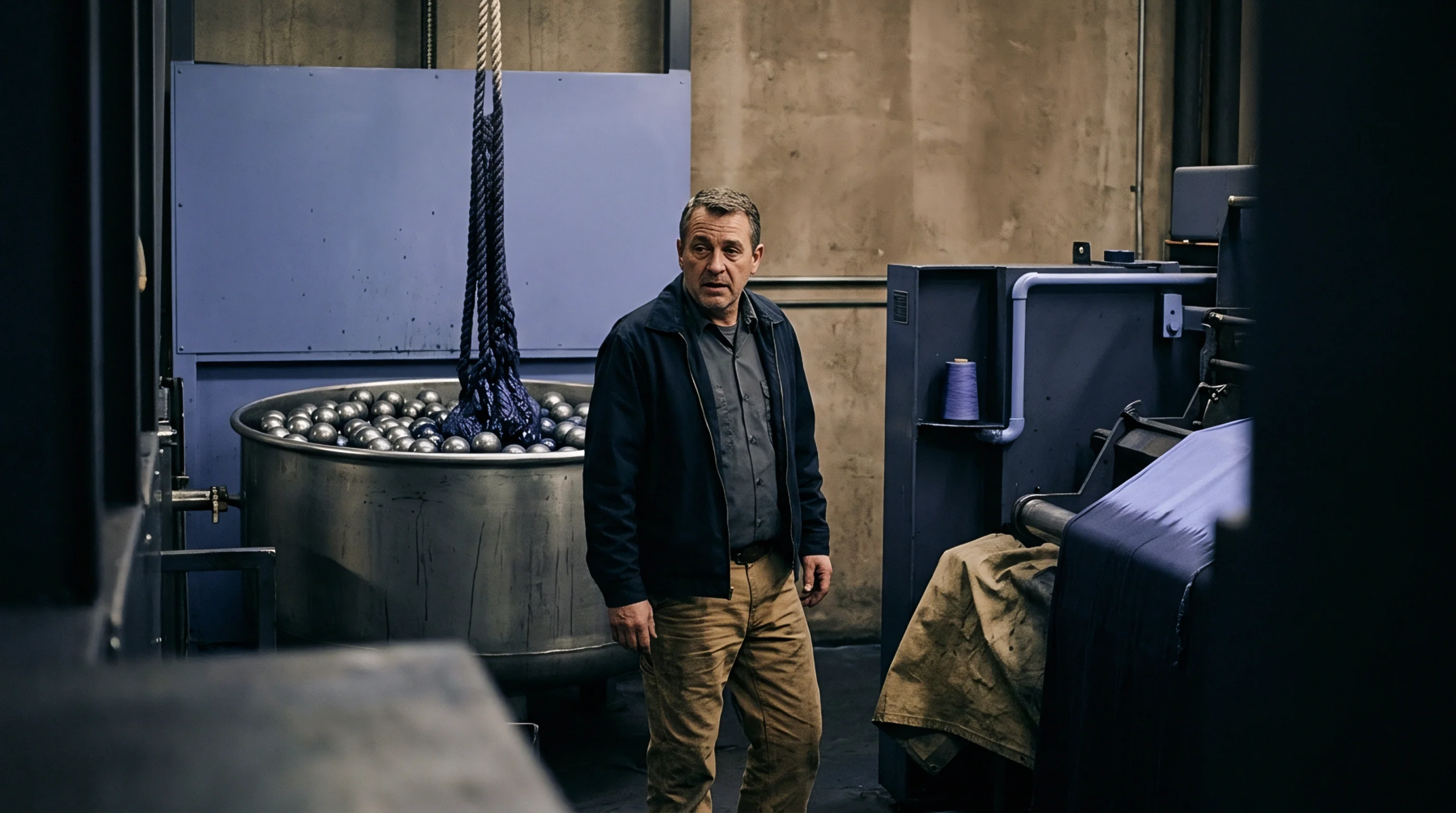
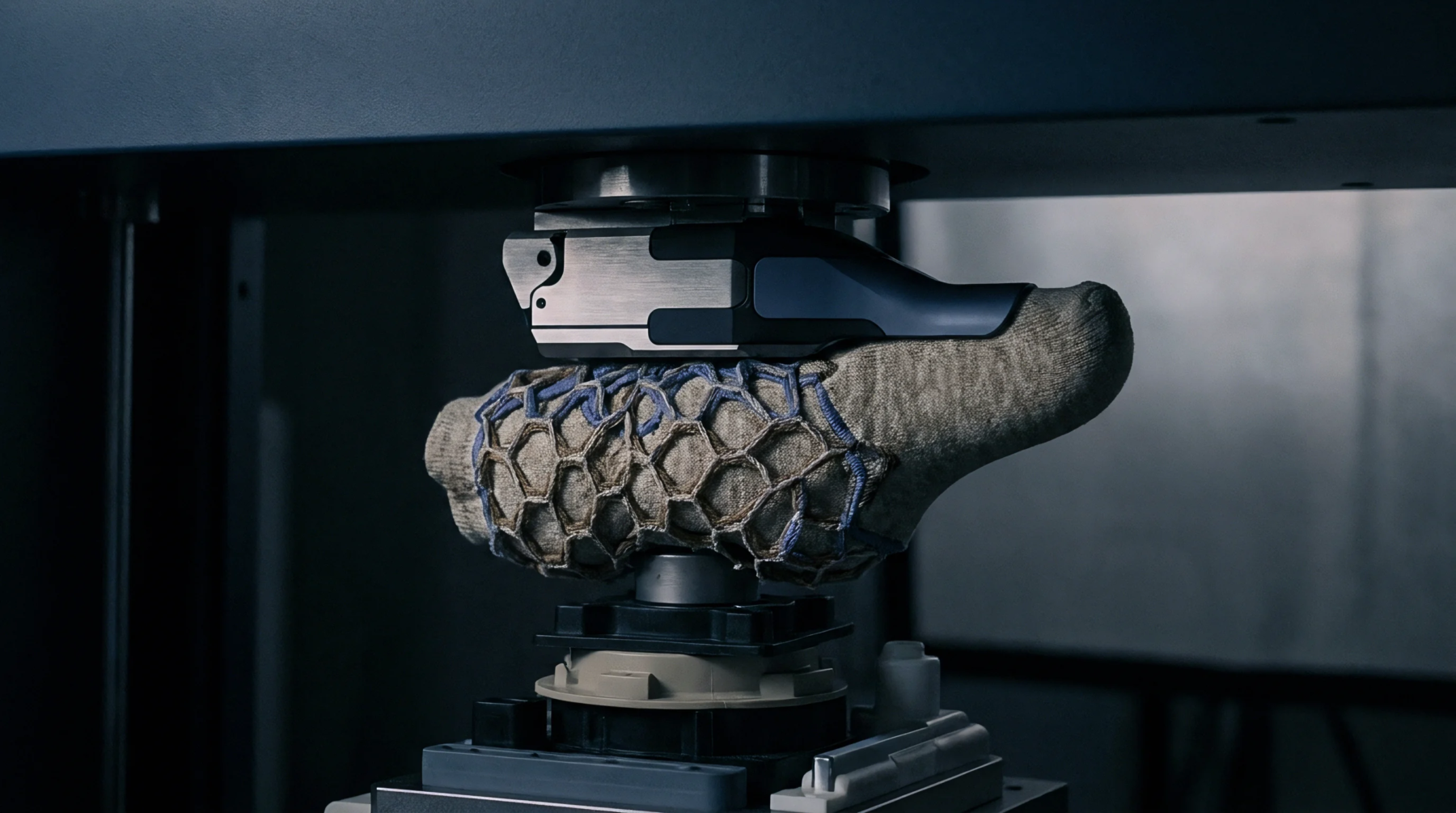
Yarns are exposed to stressors like ultraviolet light, bleach, or heat for a specified duration during testing. This exposure can break the polymer chains, which reduces the internal cohesion of the fiber. When the yarn is stretched on a tensile tester, the weakened polymer structures rupture under a lower force, which reveals the extent of structural degradation caused by the chemical or physical treatment and allows engineers to compare the chemical resistance of different synthetic yarns.
Tensile Calculation
The calculation requires dividing the breaking strength after exposure by the baseline breaking strength. For example, if a yarn with a starting strength of fifty centinewtons retains forty centinewtons after exposure, it has an eighty percent value. This ratio is expressed as a percentage, which must exceed the buyer’s minimum threshold.
Garment Durability
Industrial buyers use this metric to evaluate the long-term performance of materials. Protective fabrics must maintain a high retention value to ensure safety over their entire lifecycle. If the retention rate is too low, the fabric will fail prematurely in the field.