Strength Alteration
Technical finishes and industrial wash treatments alter the mechanical resistance of yarns and woven structures under pull tension. The occurrence of tensile strength shift represents the positive or negative change in the fabric’s breaking force after processing. It provides a benchmark for evaluating whether a yarn-softening or resin-coating treatment has weakened the raw fabric.
Chemical Cause
Bleaching, mercerizing, and enzyme wash cycles change the internal fiber structure and molecular bonds of natural fibers. This chemical exposure creates a tensile strength shift, which can lead to unexpected garment tears if the yarn’s core structure becomes damaged. For cotton goods, excessive exposure to acid enzymes or chlorine results in a loss of resistance.
Load Testing
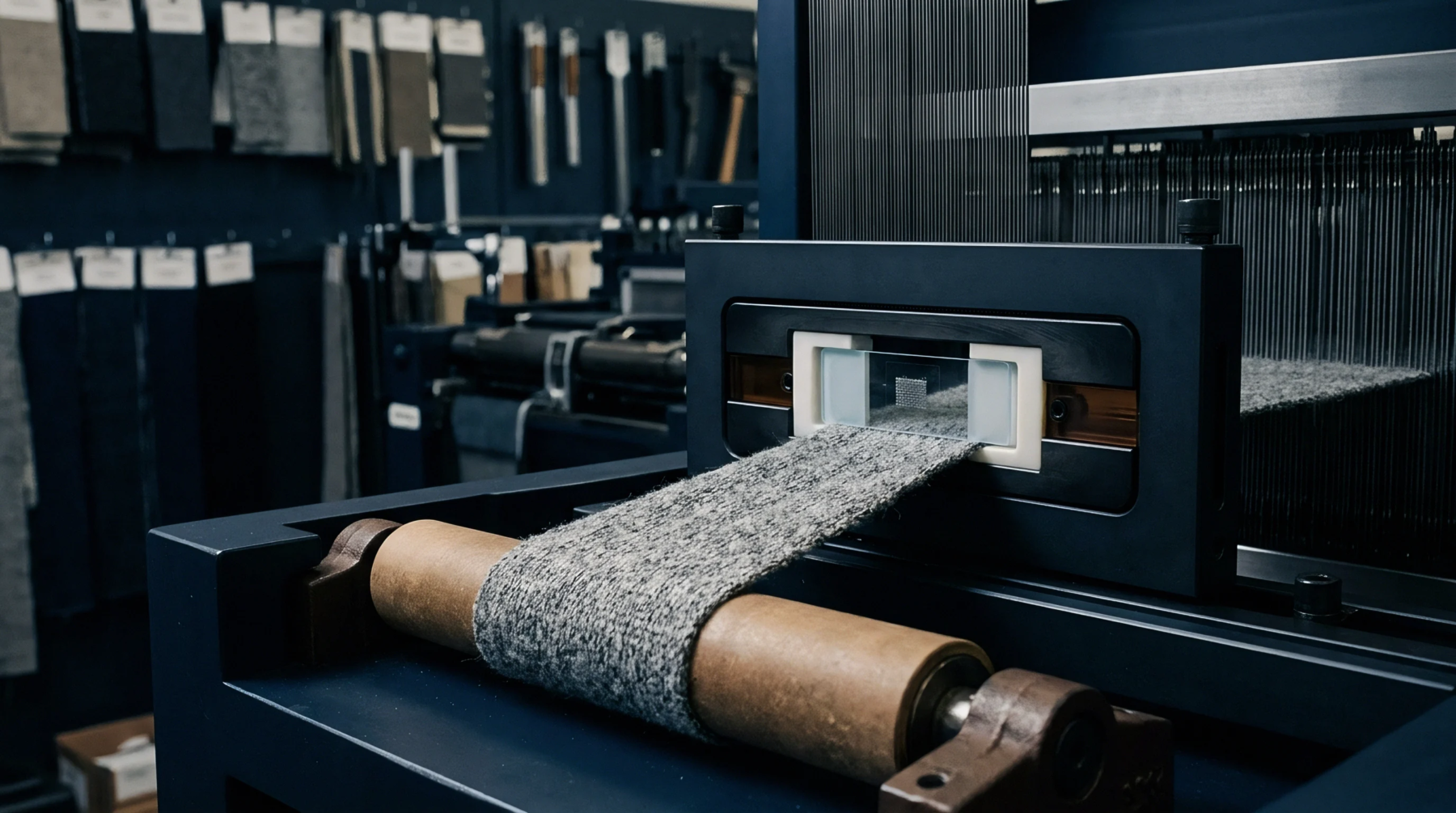
Laboratory technicians measure the change by pulling pre-treated and post-treated fabric strips to the breaking point using a tensile testing machine. This evaluation of tensile strength shift involves recording the maximum force in Newtons that the fabric sustains before failure occurs. Comparing the two averages highlights the exact percentage change in material strength caused by the finishing process.
This systematic testing prevents the shipment of brittle garments that would fail during consumer use.
Quality Impact
Apparel brands utilize these measurements to optimize their treatment recipes and finish concentrations. Maintaining a controlled tensile strength shift protects the durability of durable press shirts and distressed denim items. It ensures that the fabric retains sufficient load-bearing capacity to survive domestic laundry cycles.