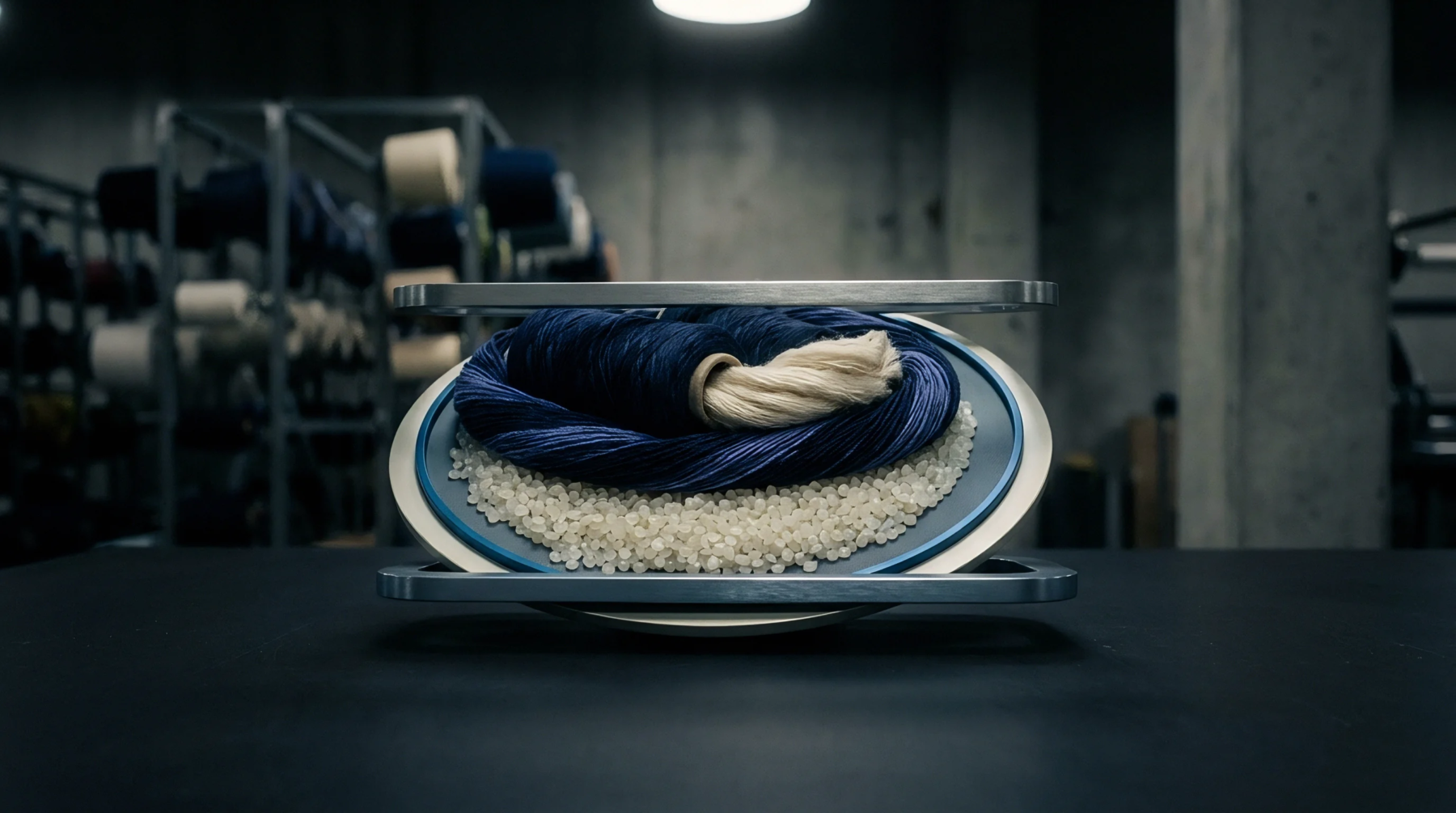
Diagnostic Instrument
Laboratory apparatus designed to identify and count sugar-induced sticky spots on cotton webs using a combination of heat and pressure provides a reliable index of honeydew contamination. This testing equipment is the thermodetector sct, which is widely used in textile laboratories to screen raw materials before yarn spinning.
Sugar Measurement
Sticky honeydew spots from insects on the cotton fibers cause severe production problems by sticking to the spinning machinery rollers. With the thermodetector sct, a technician prepares a cotton web sample and presses it between heated plates to melt the sugars, making them adhere to an aluminum sheet. Once the sheet cools, the cotton is peeled away, and the remaining sticky spots are manually counted.
This test gives a clear, visual record of the stickiness level, allowing the mill to take preventative action before processing the batch.
Standard Comparison
Results from this test correlate well with machine runability, allowing spinning mills to establish safe thresholds for different yarn counts. The thermodetector sct is recognized for its consistency and is often used as a reference method in international cotton round trials.
Process Adaptation
Knowing the stickiness rating helps spinning mills adjust the room humidity to prevent sugar condensation on the machines. This control minimizes the risk of roller wraps and maintains yarn quality during varying humidity conditions.