Hardened Component
Industrial valves utilize extremely hard ceramic-metal composites to resist erosion in high-pressure or abrasive fluid lines. The tungsten carbide control valve manages the flow of slurries and chemical mixes that would quickly destroy standard steel parts. It provides precise throttling by moving a plug or a disc within a reinforced seat.
Durability in harsh conditions is the main advantage.
Material Property
Metals used in the alloy consist of grains bound together by a cobalt or nickel binder through a sintering process.
Textile Context
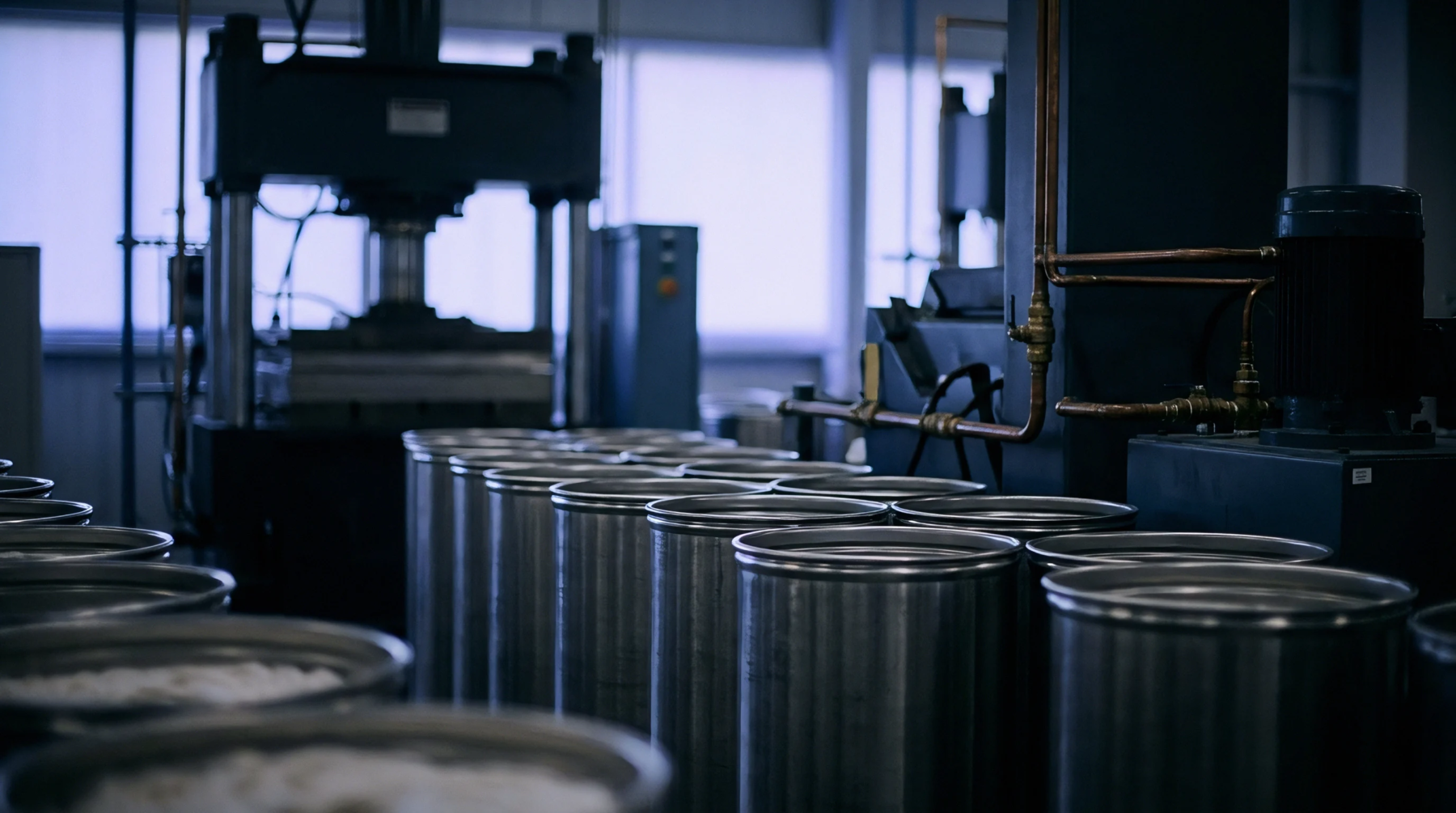
Factories use these valves in the preparation of synthetic fibre dopes and the high-pressure injection of dyeing liquors. The tungsten carbide control valve prevents downtime caused by the abrasive nature of certain pigments or recycled polymer additives. Maintaining a consistent flow rate is easier when the internal geometry of the valve does not change over time.
Long service life justifies the higher initial cost.
Maintenance Limit
The valve must be protected from sudden mechanical shocks that could crack the brittle carbide inserts. While a tungsten carbide control valve excels at resisting erosion, it may be susceptible to chemical attack if the binder material is not compatible with the fluid. Regular inspection of the seating surfaces is necessary to ensure bubble-tight shutoff.
Proper alignment prevents uneven wear on the moving stem.