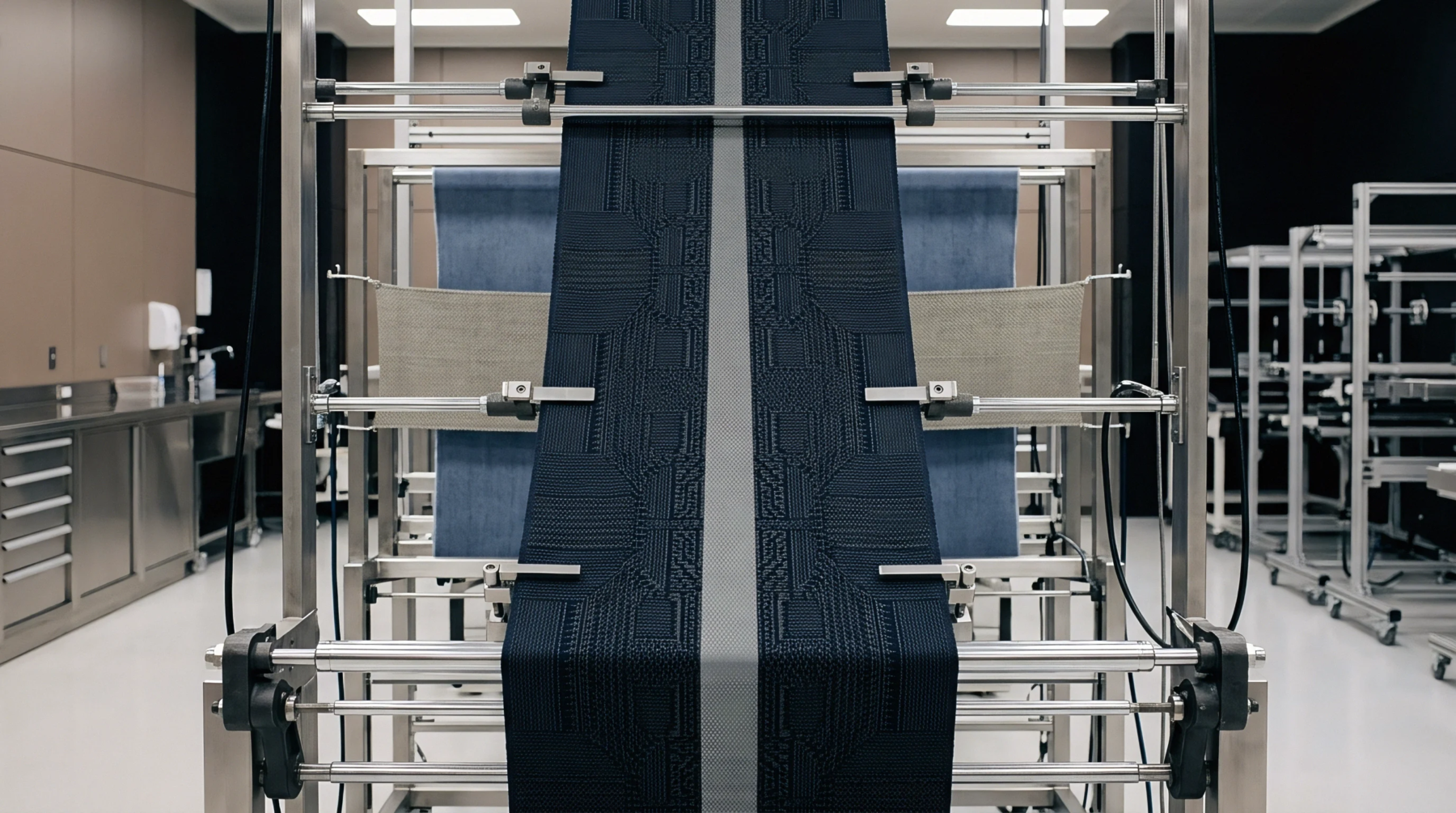
Loom Efficiency Metric
Loom efficiency metrics track the frequency of longitudinal yarn failures during the weaving process. Achieving warp break rate reduction involves optimizing sizing formulas and maintaining precise tension levels across the weaver’s beam. High break rates lead to machine downtime and defects such as knots or missing ends in the finished cloth.
The recorded indicator is measured as breaks per hundred thousand picks to allow for comparison between different machines and yarn qualities.
Yarn Stress
Friction between the yarn and the reed or heddles is a primary cause of abrasion and eventual failure. To facilitate warp break rate reduction, mills often apply a protective coating of starch or synthetic wax during the slashing process. The coating layer increases the tensile strength of the yarn and smooths the surface.
Proper humidity levels in the weaving shed also keep the fibers pliable and less prone to snapping under the sudden tension of shedding.
Statistical Monitoring
Data collection systems track where and why breaks occur. Patterns in the data reveal whether the issue stems from poor yarn preparation or mechanical misalignment.
Performance Boundary
There is a limit to how much sizing can protect a poor-quality yarn. If the base fiber lacks sufficient maturity or length, mechanical adjustments will not stop the breakage.