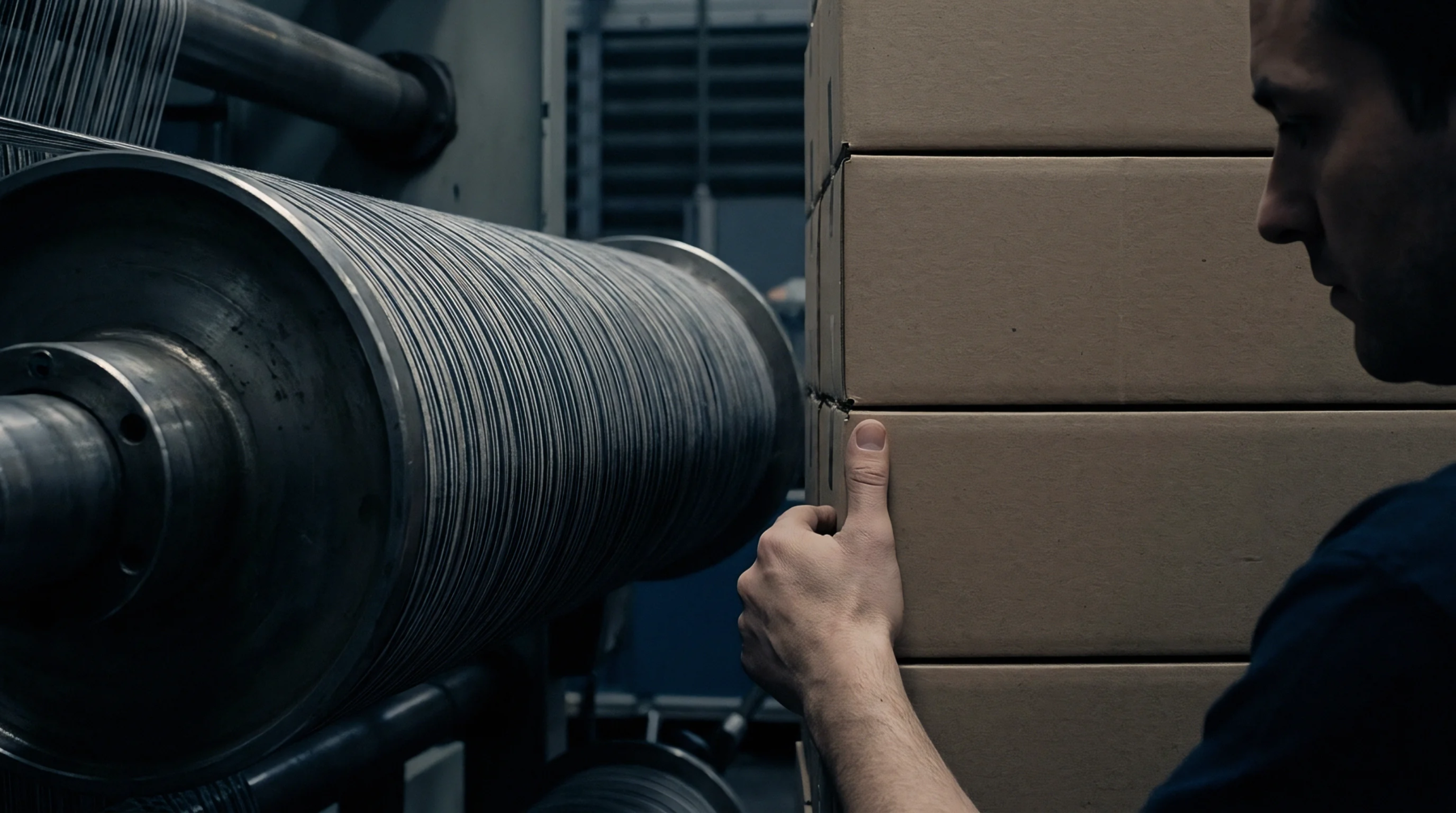
Thread Tension
The frequency of yarn rupture during the formation of a woven fabric measures loom efficiency and operational stability on the production floor. Warp end breakage occurs when longitudinal elements subjected to cyclic shedding motion and reed impact snap under excessive mechanical stress. Industrial weaving facilities monitor this metric continuously to evaluate yarn quality before material reaches the finishing stage.
Stress Threshold
Tensile forces acting on individual strands exceed acceptable limits when sizing agents fail to coat the yarn surface adequately. Stiff sizing mixtures cause brittleness while insufficient paste leaves fibers exposed to abrasive friction against metallic heddle wires. Operators adjust back-rest position and drop wire weight to reduce mechanical abrasion during high speed insertion cycles.
Sizing Quality
Chemical adhesion applied prior to the weaving process prevents individual fibers from separating under repetitive tension loads. High yarn hairiness increases frictional drag across the warp stop motion bars, leading to premature filament fatigue and subsequent snapping. Laboratory testing verifies add-on percentages to ensure adequate protection against cyclic fatigue during active loom operation.
Mechanical Load
Loom speed settings dictate the kinetic energy transferred to stationary and dynamic components throughout each operational cycle. Excessive shedding angles increase the strain gradient across lower warp sheets, compounding the likelihood of structural failure. Facility managers track stoppage rates per thousand picks to determine whether adjustments to environmental humidity or mechanical timing are necessary.