Longitudinal Density
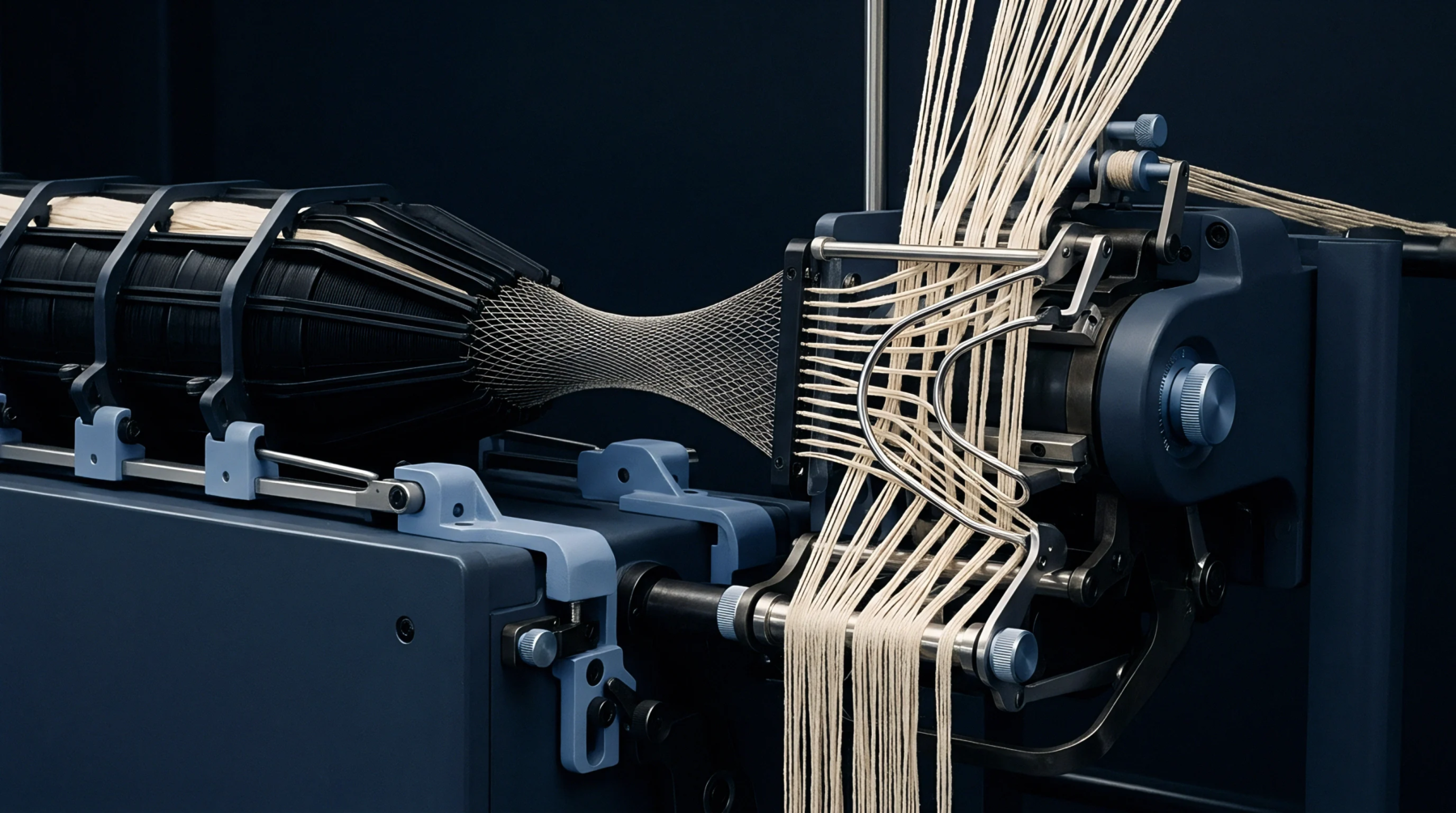
The total number of individual yarns running parallel to the selvedge across the entire width of a loom defines the primary density of the fabric foundation. This warp ends count determines the weight, cover factor, tensile strength and opacity of the resulting cloth in the machine direction. It is a fixed value established during the warping and beaming process, and it cannot be altered once the cloth production begins.
Loom Setup
Calculating the required quantity of yarn involves multiplying the ends per unit length by the total width of the fabric plus any allowance for shrinkage. The warp ends count must match the reed density to ensure the yarns are spaced evenly across the loom. Any error in this calculation results in a fabric that is either too narrow or lacks the necessary structural integrity.
Fabric Performance
A higher density in the longitudinal direction generally improves the durability of the textile and reduces air permeability. If the warp ends count is too low, the fabric may suffer from yarn slippage or poor seam strength in finished garments. Designers specify this value to achieve the desired drape and opacity for specific end uses like shirting or upholstery.
Commercial Verification
Buyers verify the construction by using a pick glass to count the yarns within a square inch of the finished goods. This warp ends count is then checked against the technical data sheet to ensure the mill has met the agreed specifications.