Weaving Density
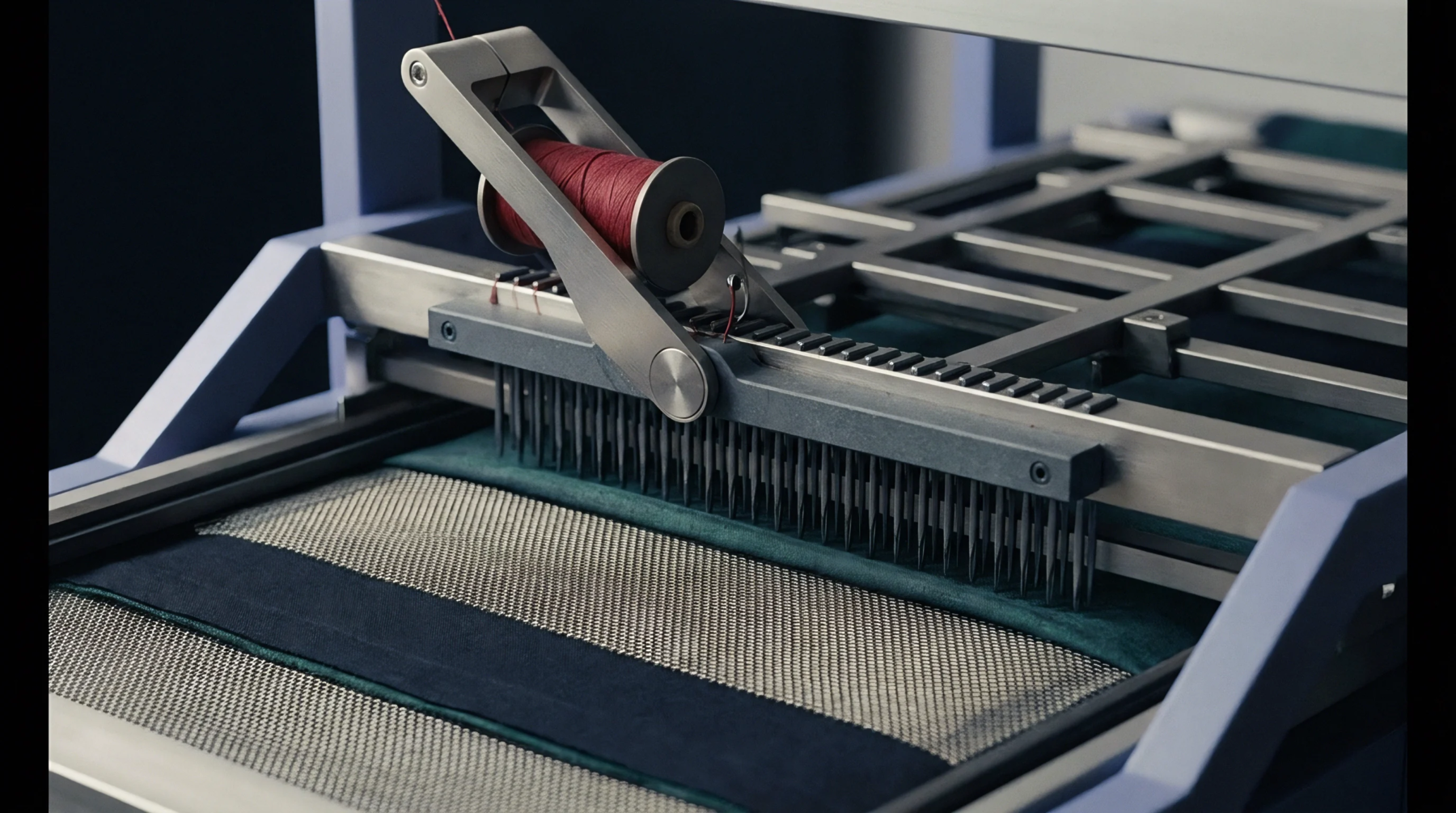
Horizontal yarn frequency represents the count of individual fill yarns spanning one centimeter of fabric length. Weft picks per cm defines the physical construction of a textile product at the loom stage and identifies the tightness of the binding.
Measurement Protocol
Technicians determine this value by counting each individual interlacing yarn within a set distance under a magnifying glass or an automated thread counter. Standard testing protocols require the analyst to count at least three separate sections of the fabric piece to derive a reliable average. Variations across the width indicate uneven tension or mechanical instability during the shedding process.
Production Variance
Machine settings govern the speed at which the shuttle or projectile inserts the yarn and the force with which the reed beats it against the fell. Increased counts result in higher opacity and improved fabric durability for end items like heavy upholstery or workwear. Lower counts produce lighter and more breathable materials suited for summer apparel or curtaining.
Commercial Inspection
Quality control officers verify these counts against the purchase specification during the initial bulk inspection to ensure the weight per square meter remains within the agreed tolerances. Discrepancies between the mill production report and the lab findings force an immediate audit of the loom settings for that specific lot. Deviation from the technical sheet indicates a fundamental failure in the manufacturing contract.