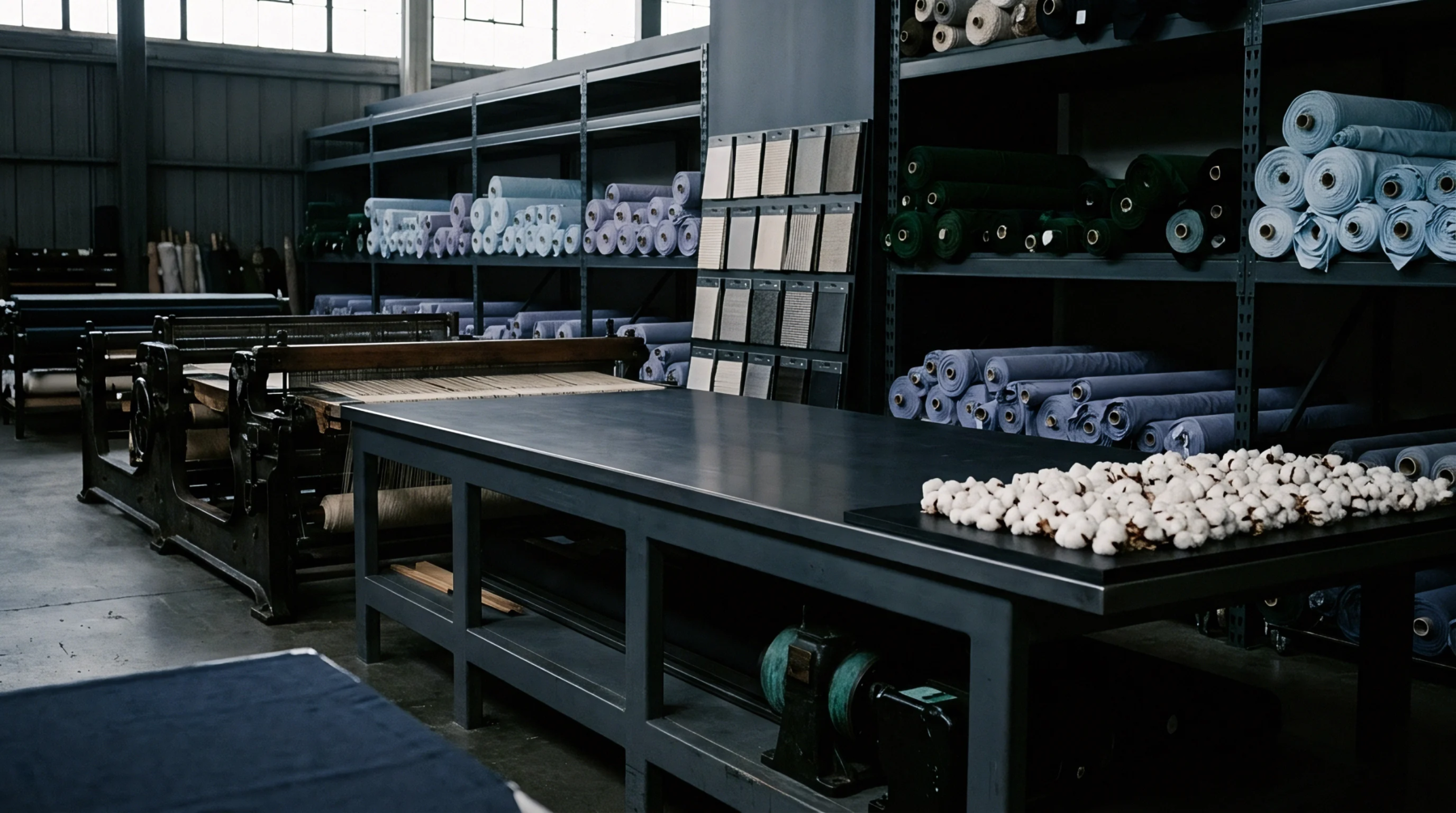
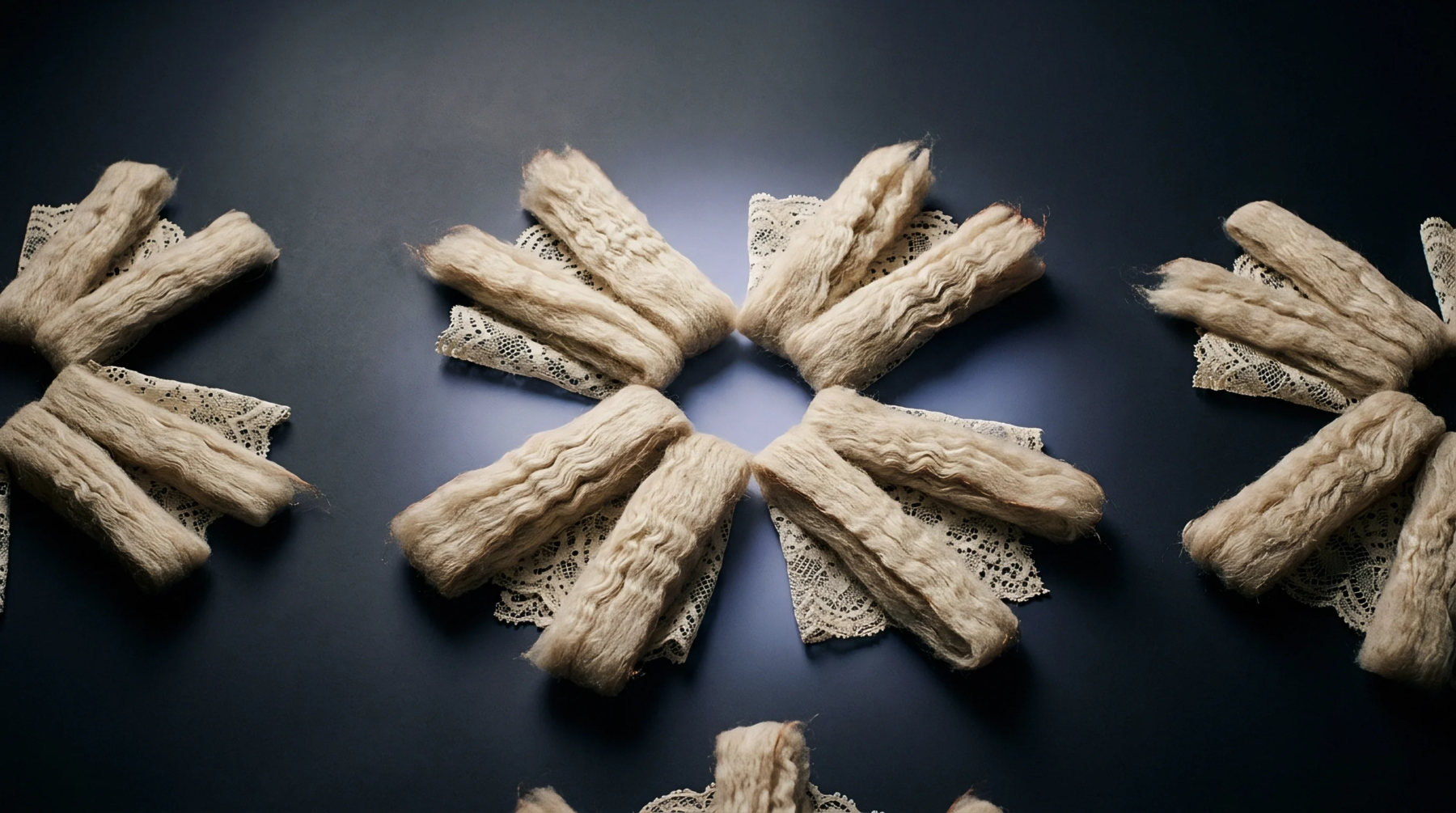
Grammage Correction
Mass per unit area in textiles requires a precise calibration between a mill target and a lab measured result to ensure finished cloth meets trade specifications. A weight adjustment occurs when a production manager alters the moisture content or the tension settings on a finishing stenter to bring the textile mass within a set tolerance.
Operational Variance
Production batches often deviate from the nominal weight due to atmospheric humidity absorbed by natural fibres like cotton. This grammage shift necessitates a calculated correction of the oven dry mass to ensure the shipping weight matches the invoiced volume. Machinery operators apply this adjustment by tracking the moisture regain percentage of a specific fibre type to determine the base weight before the final heat setting process takes place.
Processing Constraint
Strict boundaries apply to the amount of chemical or physical mass that a fabric can lose before the integrity of the weave is compromised. Excessive stretching to reduce weight thins the yarn diameter which impacts the mechanical strength and the opacity of the material. A factory avoids these limits by restricting the draw ratio during tentering to prevent permanent fibre deformation.
Quality Verification
Laboratory personnel verify the effectiveness of the change by testing samples in a climate controlled environment where the ambient temperature and humidity remain constant. A technician compares the mass of the conditioned sample against the mill standard to validate that the result sits inside the agreed contractual range. This final measurement dictates whether the goods pass the outgoing inspection before the manufacturer ships them to the garment factory.