Quantifying Solvent Pressure Thresholds in Polyurethane Elastane Textile Separation
Selective polyurethane elastane extraction requires balancing subcritical solvent pressure between 1.5 and 4.0 MPa to preserve host fiber tenacity.

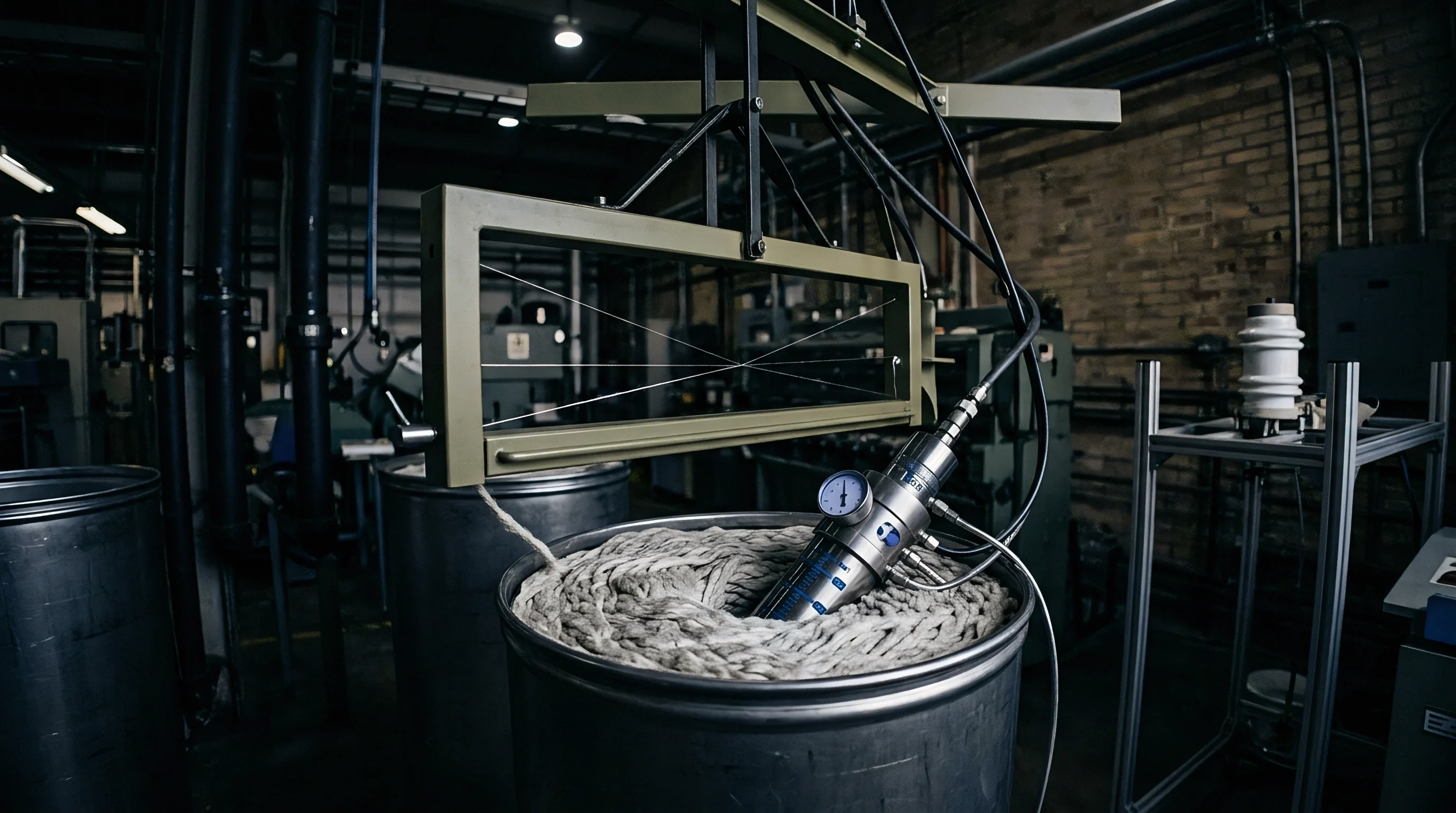
Threshold
Polyurethane elastane fibers dissolve selectively when submerged in dipolar aprotic solvents under precise thermodynamic conditions. Achieving complete extraction of the synthetic elastomer from host cellulosic or polyester fibers depends upon identifying the exact boundary where the polymer gel point yields to solvent swelling without initiating thermal or chemical breakdown in the primary matrix. Standard atmospheric dissolution processes rely on elevated temperatures near solvent boiling points, often causing chain scission in co-existing polyester or cotton yarns.
Elevating vessel hydraulic pressure alters the dissolution phase equilibrium, permitting the solvent to breach the hard-segment hydrogen-bonded domain of polyurethane at lower thermal thresholds.
Quantifying the solvent pressure threshold involves measuring the transition from inter-chain swelling to total thermodynamic solvation. At atmospheric pressure (0.1 MPa), solvents such as N,N-dimethylformamide or N,N-dimethylacetamide require temperatures exceeding 140 degrees Celsius to cleave the physical cross-links established by aromatic diisocyanate hard segments. Applying hydrostatic pressure between 1.5 MPa and 5.0 MPa shifts the solubility sphere of the solvent.
This elevation increases liquid density, accelerates mass transfer across tight yarn structures, and lowers the thermal enthalpy required to disentangle the soft polyether or polyester segments of the elastane chain.
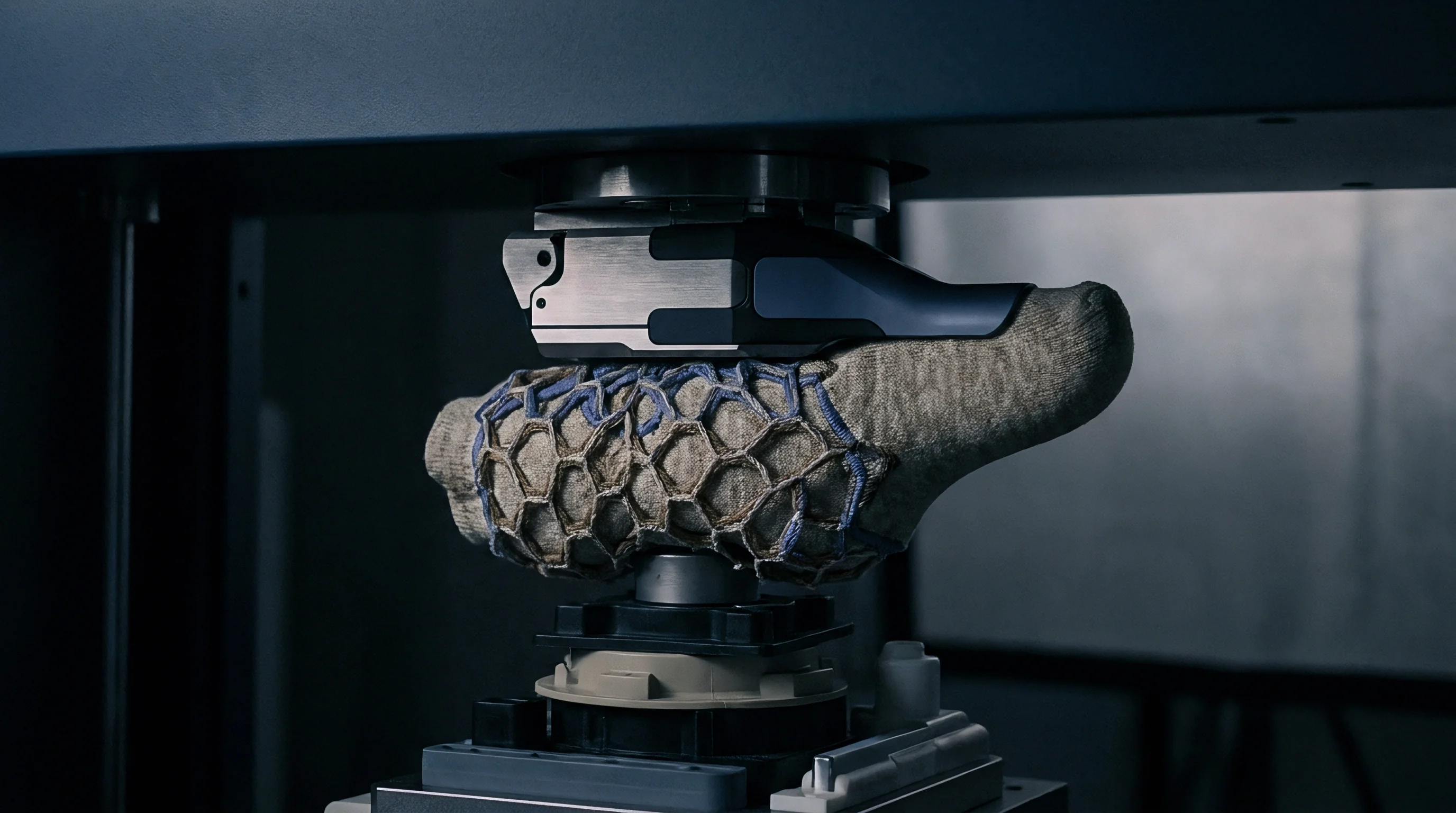
Hansen Solubility Parameter Shifts under Hydrostatic Pressure
Dissolution dynamics in segmentally block-copolymerized elastane depend directly upon matching cohesion energy densities between solvent and polymer. The dispersion force, polar force, and hydrogen bonding force components defining the Hansen solubility parameter space shift as vessel pressure increases. Liquid compression increases the dispersion component density, moving the net solubility vector closer to the hard-segment polyurea linkages.
Solvent viscosity drops rapidly. Higher pressure forces liquid carrier deeper into the amorphous core of elastane filaments, lowering the glass transition temperature of the hard block. Under atmospheric conditions, polyurethane elastane exhibits a dispersion parameter of 18.2 MPa^0.5, a polar parameter of 12.1 MPa^0.5, and a hydrogen bonding parameter of 8.3 MPa^0.5.
At 3.5 MPa pressure, the compressed solvent medium compresses the free volume within the amorphous soft regions, reducing the activation energy required for solvent diffusion by up to forty percent.
Higher vessel hydraulic pressure lowers the thermal energy needed to relax polyurethane hard segments.

Thermodynamic Activation Energies for Segmental Dissociation
Polyurethane elastomer strands contain alternating hard aromatic segments and soft polyether or polyester chains. Thermal energy alone breaks urea hydrogen bonds at high temperatures, but this exposure degrades adjacent polyethylene terephthalate filaments through transesterification or hydrolysis. Introducing hydrostatic force lowers the temperature boundary for polymer solvation.
Differential scanning calorimetry under elevated pressure demonstrates that the endothermic phase transition corresponding to hard-segment dissociation drops from 155 degrees Celsius at atmospheric pressure to 118 degrees Celsius at 2.8 MPa. Pressure accelerates liquor penetration. Lowering the processing temperature preserves the physical properties of the host fiber while driving total dissolution of the polyurethane component.
Elevating hydraulic force consistently offsets the thermal energy needed to sever polyurea hydrogen bonds.

Plunge
Reaction kinetics inside sealed reactor units shift rapidly as system hydraulic forces rise above atmospheric levels. Pressurized fluid delivery systems force liquid solvent into the innermost core of high-twist multi-filament yarns, eliminating the diffusion delay typical of atmospheric immersion. The pressure threshold marks the transition where convection within the solvent bulk replaces slow capillary diffusion as the dominant mass transport mechanism.
Operating below the pressure threshold results in partial swelling without dissolution, leaving gel residues that bond host yarns together upon drying. Operating above the optimal pressure threshold wastes thermal energy and risks mechanical fiber compaction inside the vessel. Establishing the operational window requires tracking solvation velocity against pressure increments across standard commercial solvent systems.
Pressurized Vessel Hydraulics and Solvation Velocity
Elevating internal system force to 4.5 MPa reduces the required residence time for elastane dissolution by sixty percent. Fluid flow across dense fabric packages must overcome the hydraulic resistance of tight knit or woven geometries. Mechanical pumps maintain steady pressure differentials across the reactor chamber, driving solvent through the yarn bundle interstices.
Hard segments resist dissolution. Higher pressure drives solvent molecules directly into the dense polyurea domains, disrupting inter-chain hydrogen bonds before thermal degradation damages adjacent synthetic filaments. The table below outlines pressure and temperature thresholds for complete elastane removal across primary solvent systems.
| Solvent Medium | Pressure Threshold (MPa) | Temperature Boundary (°C) | Dissolution Time (min) | Elastane Removal (%) |
|---|---|---|---|---|
| N,N-Dimethylformamide | 1.8 | 125 | 15 | 99.4 |
| N,N-Dimethylacetamide | 2.2 | 120 | 12 | 99.6 |
| Dimethyl Sulfoxide | 3.5 | 130 | 18 | 98.9 |
| Gamma-Valerolactone | 4.2 | 140 | 25 | 98.2 |
| Cyrene (Dihydrolevoglucosenone) | 4.8 | 135 | 20 | 97.8 |

Thermal Limits for Host Fiber Structure Retention
Polyester filaments maintain crystallite integrity up to 130 degrees Celsius provided solvent contact times stay below twenty minutes. Exceeding this boundary induces polymer chain relaxation in stretched host yarns, causing uncontrolled fabric shrinkage and loss of tensile strength. Hydrostatic pressure stabilizes host fiber crystallinity by inhibiting structural relaxation during solvent treatment.
Cotton cellulose undergoes hydrolytic cleavage when exposed to acidic solvent degradation products at elevated pressures. Maintaining neutral liquor pH via continuous inline buffer conditioning prevents cellulose depolymerization. Operational pressure must remain balanced against temperature to keep host fiber tenacity within acceptable commercial limits.
Uncontrolled operational execution creates predictable failure points during high-pressure textile separation:
- Thermal Chain Scission occurs when temperature exceeds the thermal stability limit of host fibers, causing drastic tensile strength drops in reclaimed yarns.
- Gel Phase Redeposition happens when vessel pressure drops before liquor evacuation, causing dissolved polyurethane to precipitate back onto host yarn surfaces.
- Solvent Entrapment develops in ultra-dense weave structures when liquid circulation velocity drops below effective mass transfer limits.
- Matrix Fiber Fibrillation arises when rapid depressurization creates vapor expansion inside natural fibers, rupturing cellular walls.
Exceeding the critical vessel pressure boundary causes irreversible tensile strength loss in host polyester filaments.
Liquor
A solvent ratio of eight to one by weight provides optimal liquid mass transfer across dense knit fabric structures. Reducing the liquor ratio below six to one leads to solvent saturation, slowing down dissolution kinetics and increasing residual elastane fractions in the extracted matrix. Conversely, excessively high liquor ratios increase energy expenditure during solvent distillation and recovery.
Controlling liquor dynamics requires continuous filtration to capture non-soluble particulate matter, finish oil residues, and insoluble yarn sizing agents. Pressurized recirculation pumps push liquid through internal heat exchangers, maintaining uniform temperature profiles throughout the reactor vessel without creating localized thermal hot spots.

Does Subcritical Solvent Pressure Alter Host Polyester Tenacity?
Tenacity losses in recycled PET staple remain under three percent when operating below 3.0 MPa at 120 degrees Celsius. Higher pressure levels accelerate solvent penetration without cleaving ester linkages, provided moisture content in the raw textile feed remains under 0.05 percent by weight. Water present in the reaction vessel induces rapid hydrolytic degradation of polyester chains under pressurized subcritical conditions.
Filament strength drops three percent. Pre-drying incoming fabric feed stock protects host polyester fibers from molecular weight loss during high-pressure extraction runs. The table below illustrates host fiber physical retention metrics following pressure-optimized solvent extraction.
| Host Fiber Type | Pressure (MPa) | Tenacity Retention (%) | Elongation Retention (%) | Intrinsic Viscosity (dL/g) |
|---|---|---|---|---|
| Polyethylene Terephthalate | 2.5 | 97.2 | 94.5 | 0.64 |
| Cotton (Combed Staple) | 3.0 | 96.8 | 98.1 | 1.25 (CED) |
| Polyamide 6,6 | 1.8 | 93.4 | 91.0 | 2.10 (RV) |
| Viscose Rayon | 2.2 | 94.1 | 92.8 | 0.98 (CED) |
Mass Transfer Kinetics in Dense Knit Structures
Liquor circulation velocity reaches two meters per second to prevent concentration gradients inside tightly packed fabric rolls. Fluid pressure forces the dissolved polyurethane gel out of the fabric matrix into the bulk solvent phase. Filtration units harvest suspended impurities before recycled solvent re-enters the primary extraction chamber.
At 2.5 MPa pressure and 115 degrees Celsius, dimethyl sulfoxide achieves complete polyurethane extraction within twelve minutes.
Evaluating mass balance metrics requires working through a concrete processing example based on established factory inputs. Take a 500-kilogram lot of circular knit fabric composed of 92 percent polyethylene terephthalate and 8 percent polyurethane elastane by weight. Operating at a 8:1 liquor ratio requires 4,000 kilograms of N,N-dimethylacetamide maintained at 2.2 MPa and 120 degrees Celsius.
The extraction phase dissolves 39.8 kilograms of the total 40.0 kilograms of elastane present, achieving a 99.5 percent separation yield. Solvent drainage removes 3,820 kilograms of liquor carrying the dissolved polyurethane gel. Subsequent closed-loop washing with hot pressurized ethanol strips residual carrier solvent, yielding 458.5 kilograms of clean, dry polyester staple fabric containing less than 0.1 percent residual elastane contaminant.
Verifying quality compliance before declaring extracted fiber lots fit for mechanical re-spinning demands strict documentation protocols:
- Residual Solvent Certificate stating volatile organic compound concentrations fall below twenty parts per million by gas chromatography testing.
- Fiber Tenacity Test Dossier confirming maximum breaking tenacity loss remains under five percent relative to untreated virgin control samples.
- Quantitative Composition Analysis Report under ISO 1833-20 verifying residual elastane mass fraction remains below zero point two percent.
- Intrinsic Viscosity Ledger demonstrating host synthetic polymer molecular weight distribution shows no bimodal hydrolytic degradation peaks.
Standard purchase specifications incorporating ASTM D629 clauses mandate solvent residue limits below fifty parts per million.


Yield
Quantifying extracted elastane mass relies upon thorough vacuum distillation and residue gravimetry. Evaporating the carrier solvent under reduced pressure leaves a concentrated polyurethane liquor. Neutral anti-solvent agents, such as water or cold methanol, precipitate the recovered elastomer as a solid powder or gel flake capable of being reprocessed into secondary industrial coatings or polyurethane foams.
Polymer chains disentangle completely. The efficiency of post-extraction separation determines the commercial viability of closed-loop chemical recycling plants. Vacuum stripping yields pure polymer.
High separation yield prevents residual elastane from contaminating downstream mechanical fiber garnetting and carding equipment.

Analytical Verification of Residual Polymer Content
Testing post-extraction cotton fabric via chemical separation under ISO 1833-20 reveals residual elastane fractions. The standardized test method uses dimethylformamide at boiling temperature to dissolve residual elastane from an accurately weighed specimen, measuring weight loss gravimetrically. Correcting dry mass values for moisture regain ensures precise composition accounting.
Standard moisture regain allowances apply: polyester carries 0.4 percent, cotton carries 8.5 percent, and reclaimed polyurethane carries 1.3 percent. Failure to apply exact moisture correction factors introduces systematic gravimetric errors exceeding two percent on bulk lot valuations. Precision laboratory scales with 0.1-milligram sensitivity verify compliance with commercial buyer limits.
Contracts specifying ISO 1833-20 testing enforce a maximum zero point five percent residual elastane limit on reclaimed polyester staple.

Polymer Separation Failure Mechanics
Incomplete elastane breakdown creates gummy polyurea deposits that foul downstream spinning components. When local reactor pressure drops below the thermodynamic solubility threshold, solvated elastane molecules aggregate into semi-crystalline micro-gels. These micro-gels adhere strongly to host cellulose fibers, defying mechanical removal during post-separation washing.
Filter screens catch swollen gel. Gel formation increases yarn friction coefficients, causing end-breaks during rotor and ring spinning operations. Maintaining stable system pressure throughout the liquor evacuation step avoids premature gel precipitation.
Qualifying a commercial pressure dissolution reactor requires completing specific operational steps:
- Charge the pressure vessel with dry textile feed stock and purge atmospheric air using dry nitrogen gas.
- Pump pre-heated solvent into the chamber until internal pressure reaches the targeted operational threshold.
- Engage high-velocity liquor circulation pumps to establish turbulent flow across the fabric package.
- Maintain targeted pressure and temperature parameters for the duration specified by lab extraction trial data.
- Drain dissolved polyurethane liquor under positive pressure directly into the flash recovery unit.
- Inject pressurized rinsing solvent to remove residual polymer solution from the host fiber matrix.
- Depressurize the vessel slowly to prevent mechanical fiber damage caused by explosive vapor expansion.
Processors frequently attribute incomplete elastane removal to variations in fabric knit density rather than insufficient reactor pressure.


Margin
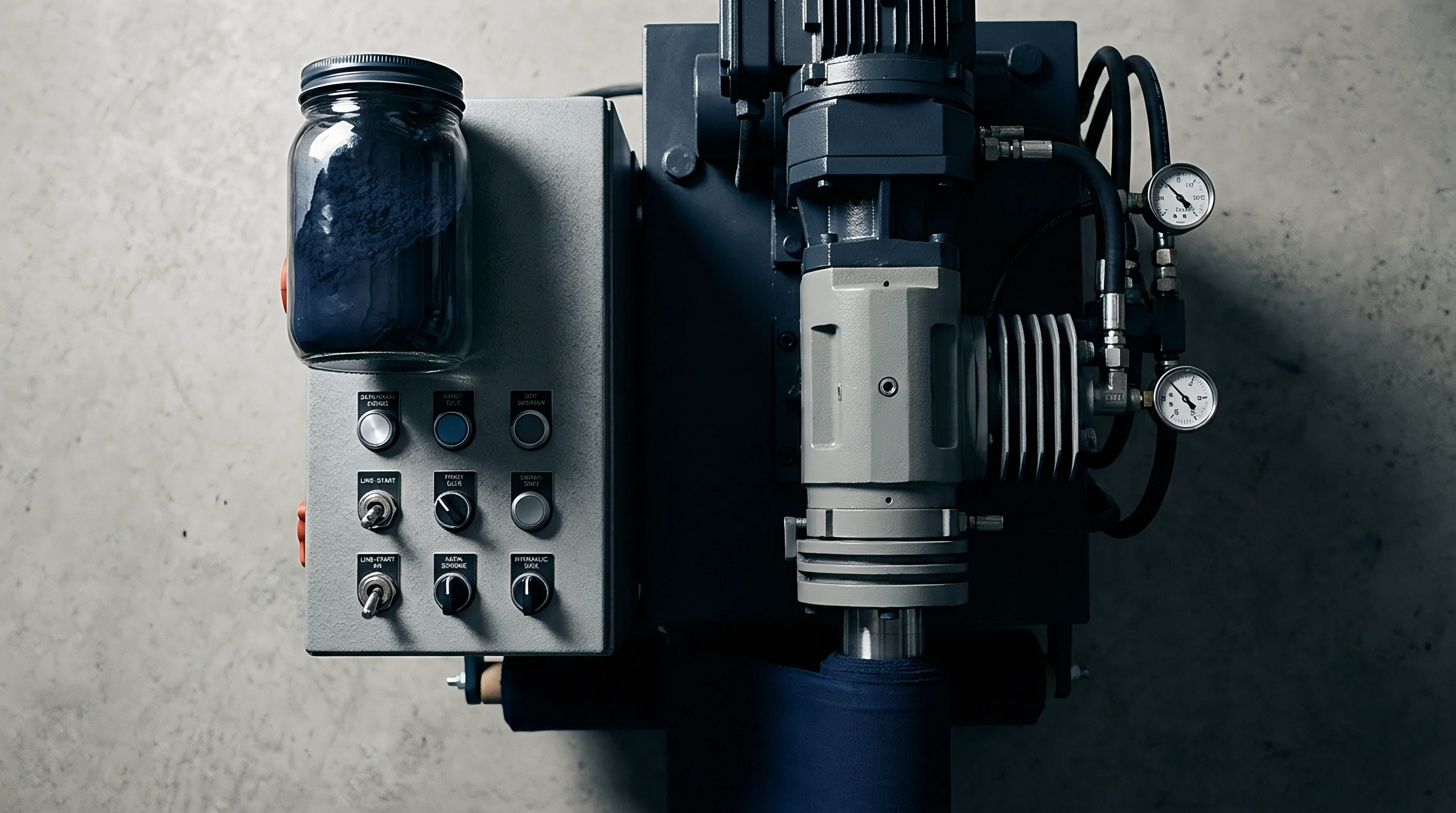
Solvent recycling distillation energy dominates the variable operational processing cost per metric ton of processed textile. Flash evaporation systems operating under reduced pressure recover up to ninety-eight percent of carrier solvents, returning clean distillate directly to the extraction circuit. Energy balance calculations must account for the latent heat of vaporization of the solvent medium alongside pressure generation energy requirements.
Recycling margins contract quickly. High pressure requirement increases capital expenditure for thick-walled stainless steel reactor vessels and explosion-proof pumping apparatus. Balancing capital costs against solvent recovery efficiency determines total landed cost per kilogram of reclaimed fiber staple.
Energy Distillation Costs and Recovery Efficiencies
Flash evaporation units operating at 0.02 MPa vacuum recover ninety-eight percent of used N,N-dimethylacetamide. Vacuum distillation lowers the boiling point of the solvent, cutting thermal energy demand by thirty-five percent relative to atmospheric distillation units. Recovered solvent purity must reach 99.5 percent to prevent dissolved impurities from building up in continuous extraction loops.
Solvent losses add directly to operational costs. Evaporative loss control, fugitive emission scrubbing, and solvent quality monitoring define the baseline economics of commercial operations. Low solvent loss rates preserve project economics over extended production cycles.
Excessive processing pressure degrades host cotton cellobiose chains before elastane fully dissolves.
Commercial Tariff Classifications for Reclaimed Fibers
Imported recycled polyester staple containing under 0.5 percent elastane contamination qualifies under Harmonized System code 5503.20. Fabrics containing higher residual elastane fractions face reclassification as mixed synthetic waste under heading 5505.10, incurring substantially higher import duty rates across key manufacturing jurisdictions.
Tariff lines shift upon separation. Complete elastane removal allows reclaimed fibers to enter supply chains as pure primary materials rather than low-value textile waste. Precise chemical extraction documentation verifies composition claims during customs clearance reviews.
Whether bio-based cyclic carbonate solvents can achieve equivalent mass transfer rates without elevated vessel pressures remains unproven in continuous commercial systems.