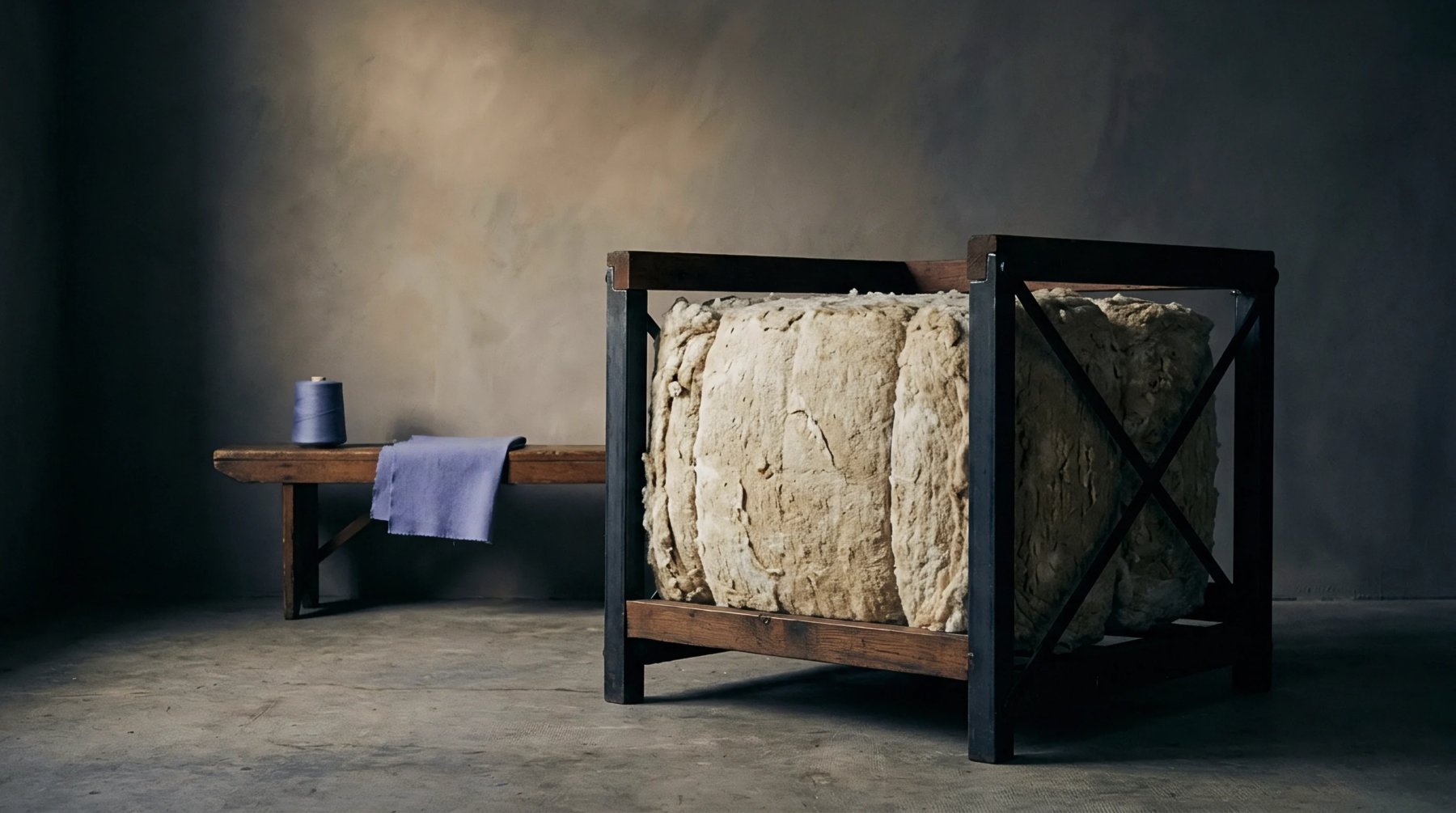
Production Sample
Large-scale dyeing batches require a physical reference to align the colour of current yardage with an agreed standard. A typical bulk shade dip is pulled from the initial few metres of a main production lot to check for vat consistency before the remaining goods are processed. Final dye approval relies on this physical swatch to confirm that the mill recipe scales correctly from lab beakers to industrial containers.
Colour Comparison
Dye uptake shifts significantly when moving from five-litre test pots to thousand-litre pressure jets. Technicians view the bulk shade dip under calibrated D65 light sources to identify if the hue is too red or green or blue. Matching the target requires visual parity as well as spectrophotometric data to ensure it stays within common delta E limits specified in the purchase contract.
If the sample fails this check, rework is initiated immediately before the rolls move to rinsing or drying sequences.
Quality Standard
Colour consistency depends on water ratios and steady temperatures during the thermal peak of the cycle. The bulk shade dip defines the single point where production successfully meets the commercial requirement.
Shipment Criteria
Mills archive these clips for twelve months. Archival storage settles disputes.