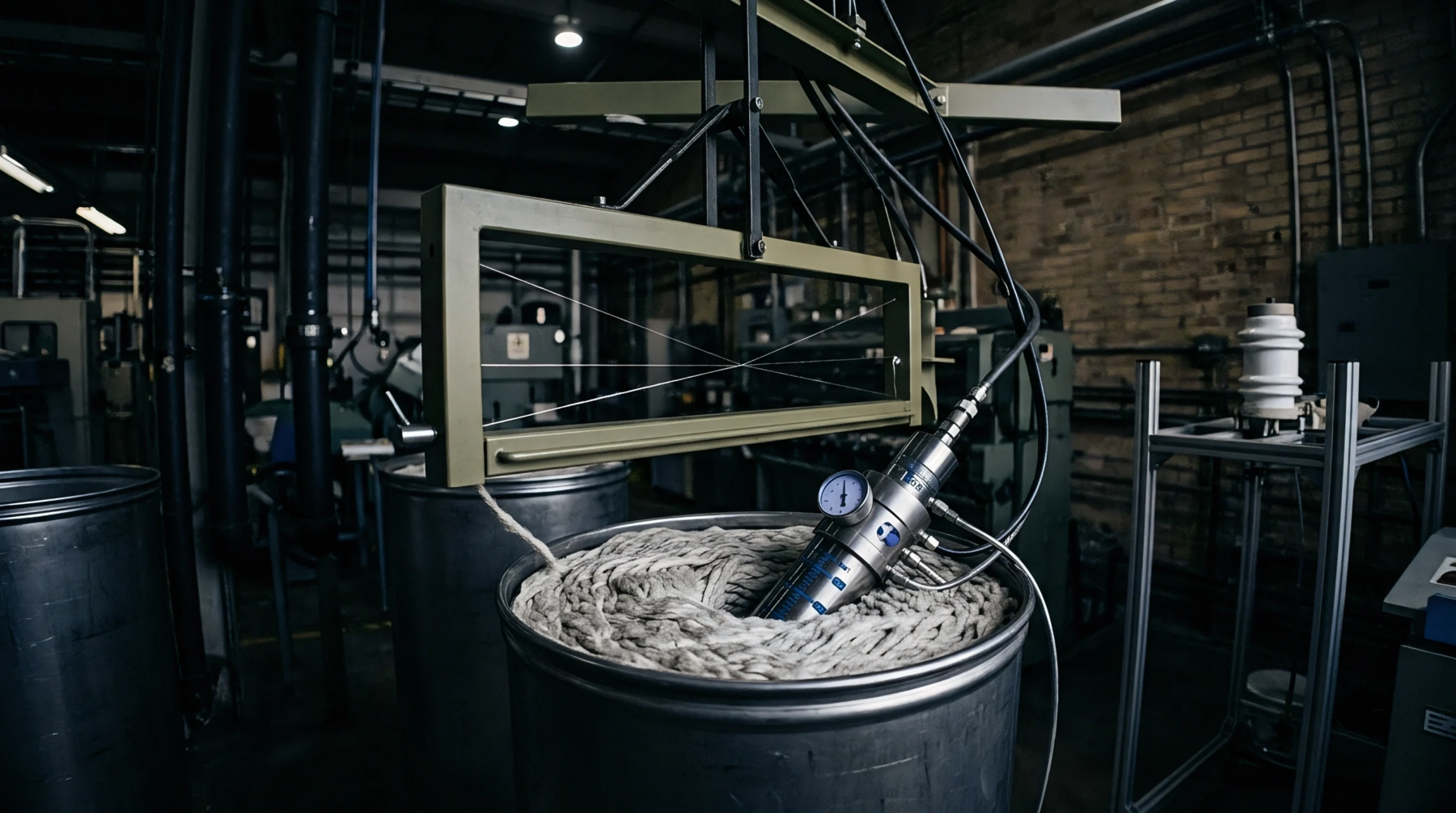
Dyeing Spectrophotometry
Carboxymethyl cellulose shade tolerance defines the permissible variance in optical reflectance between a dyed substrate and its established master standard when the chemical stabilizer is present in the finishing bath. This metric quantifies the stability of reactive dye fixation on cellulosic fibers during the inclusion of specific thickening agents. Practitioners evaluate this property by comparing color coordinates across multiple production batches to detect drift.
Batch Uniformity
Mill technicians assess the chemical impact by measuring delta E values before and after the addition of the auxiliary substance to the dye liquor. The procedure requires a controlled environment where light sources and observer angles remain constant across every measurement cycle. Deviation beyond established thresholds forces an adjustment in the recipe to compensate for the shifted light absorption.
Process Stability
High levels of compatibility ensure that the cellulose-based thickener does not block dye sites or interfere with the ionic bonding process during high-temperature exhaustion. Stability here prevents the precipitation of dye aggregates that otherwise create uneven patches on the finished fabric. Variations in electrolyte concentration often influence how the polymer interacts with the dye molecules.
Financial Impact
Consistent performance minimizes the necessity for manual color correction and reduces the frequency of rejected yardage due to tonal inconsistency. Reliable chemical interactions stabilize the production pipeline and protect the profit margins of large-scale dyeing operations. Strict adherence to defined tolerance bands prevents costly downstream rework by ensuring that the final color matches the initial design specification.