
Measuring Yarn Linear Density from Unraveled Woven Samples
Measuring woven yarn linear density requires chemical finish stripping, precise pretensioning to eliminate crimp, and moisture regain adjustment on oven-dry fiber mass.
Measuring woven yarn linear density requires chemical finish stripping, precise pretensioning to eliminate crimp, and moisture regain adjustment on oven-dry fiber mass.
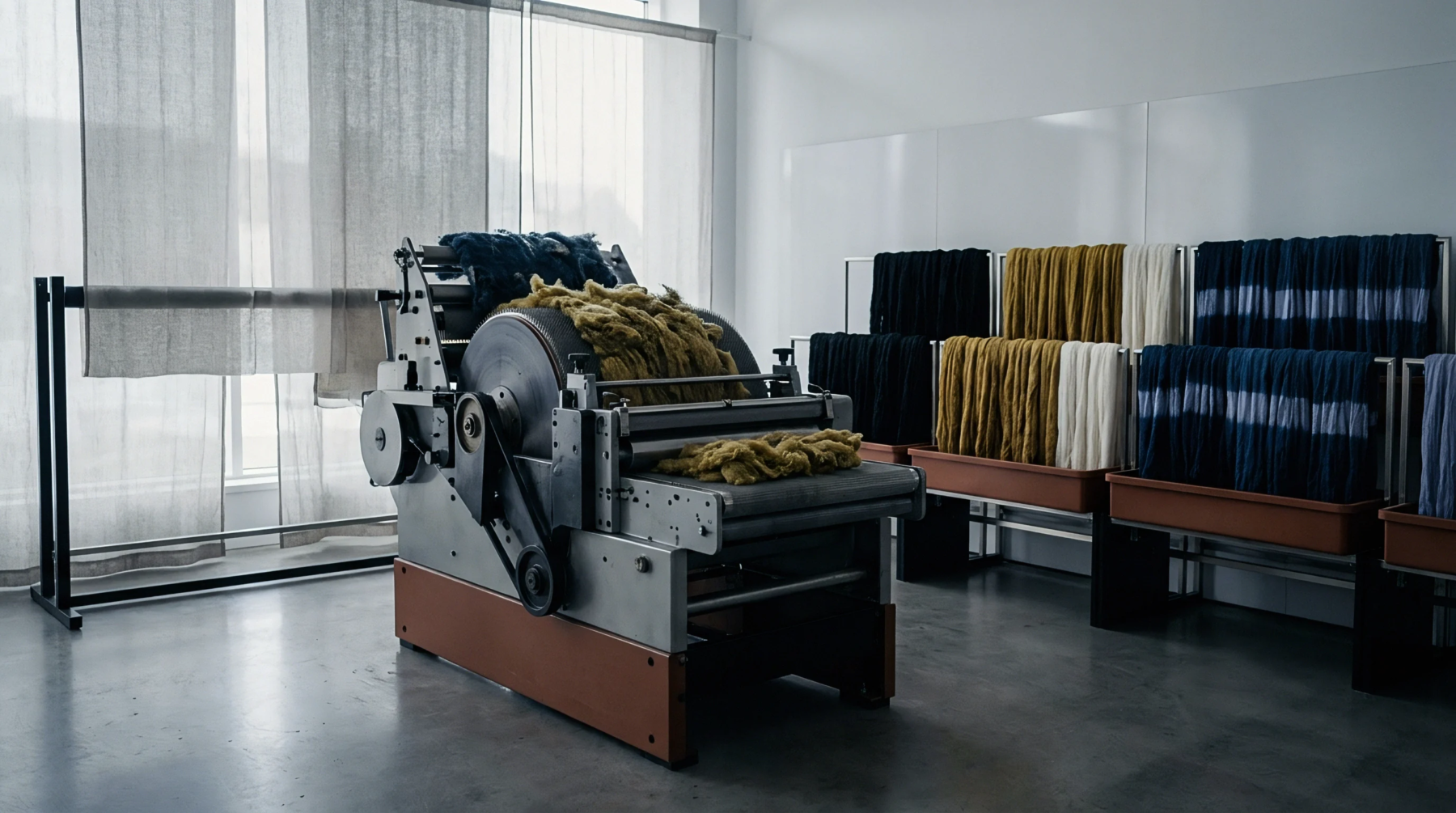
Commercial cotton yarn mass standardizes through gravimetric oven-drying, removing ambient moisture, then applying statutory commercial regain allowances to net mass.
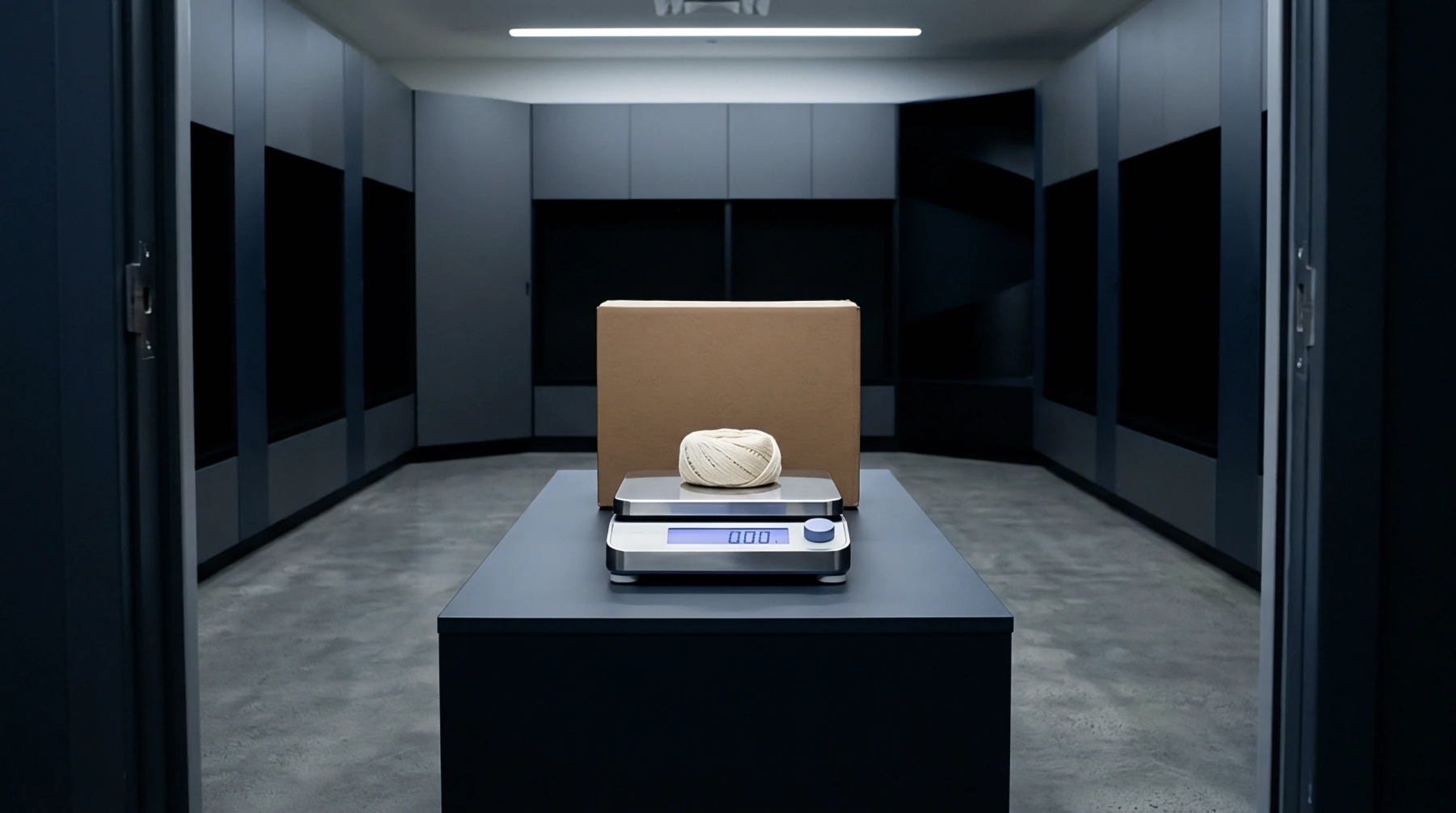
Yarn count, crimp, and moisture regain fix fabric square-metre mass, controlling garment cutting yields and preventing costly customs tariff misclassifications.

Warp cover factor calculations require correcting direct yarn counts for polymer density and cross-sectional flattening to predict barrier performance accurately.
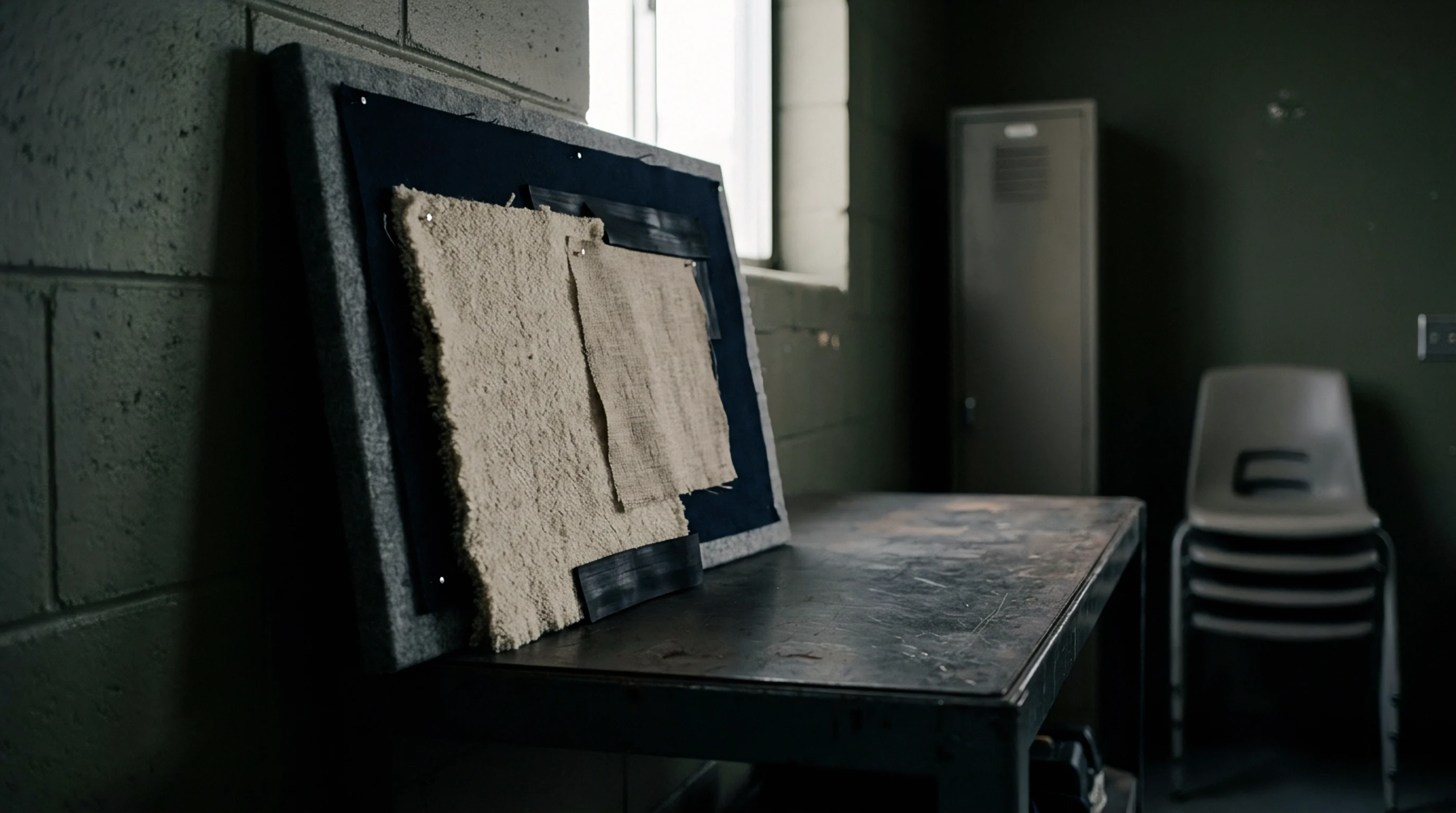
Determining recovered yarn linear density involves unraveling measured lengths, removing crimp under standardized tension, and correcting dry mass for size.

Accurate direct linear density verification in ring spun yarn demands exact tension control, moisture regain correction, and calibrated specimen lengths.
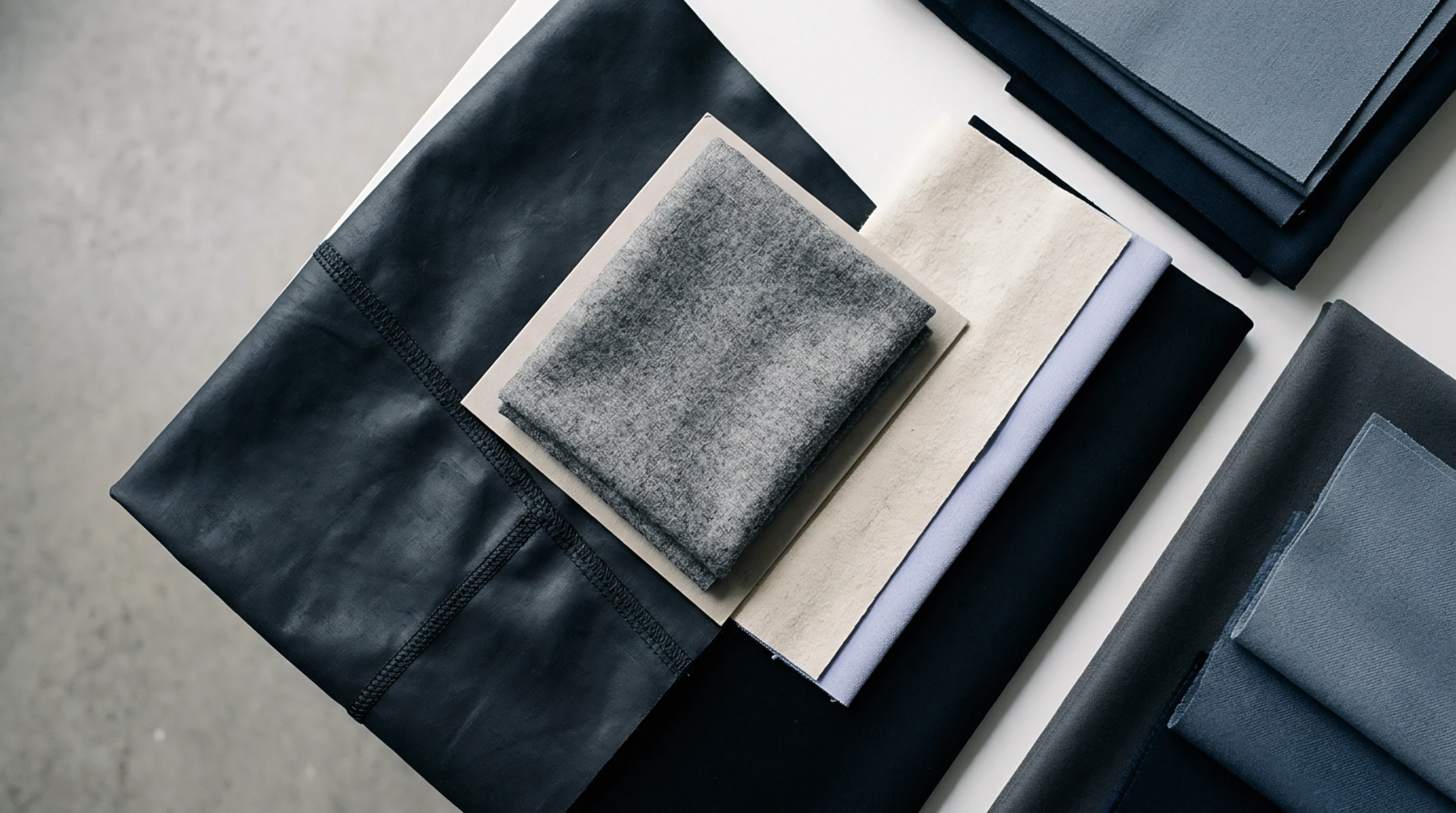
Accurate woven mass calculation requires modeling yarn counts, crimp percentages, sizing removal, and moisture regain across every step from loom shed to final invoice.
Expertise is a utility, not a secret. sentiention™ publishes its working knowledge as open reference: intelligence layer covering the materials it sources, the markets it enters, and the reference that serves both.