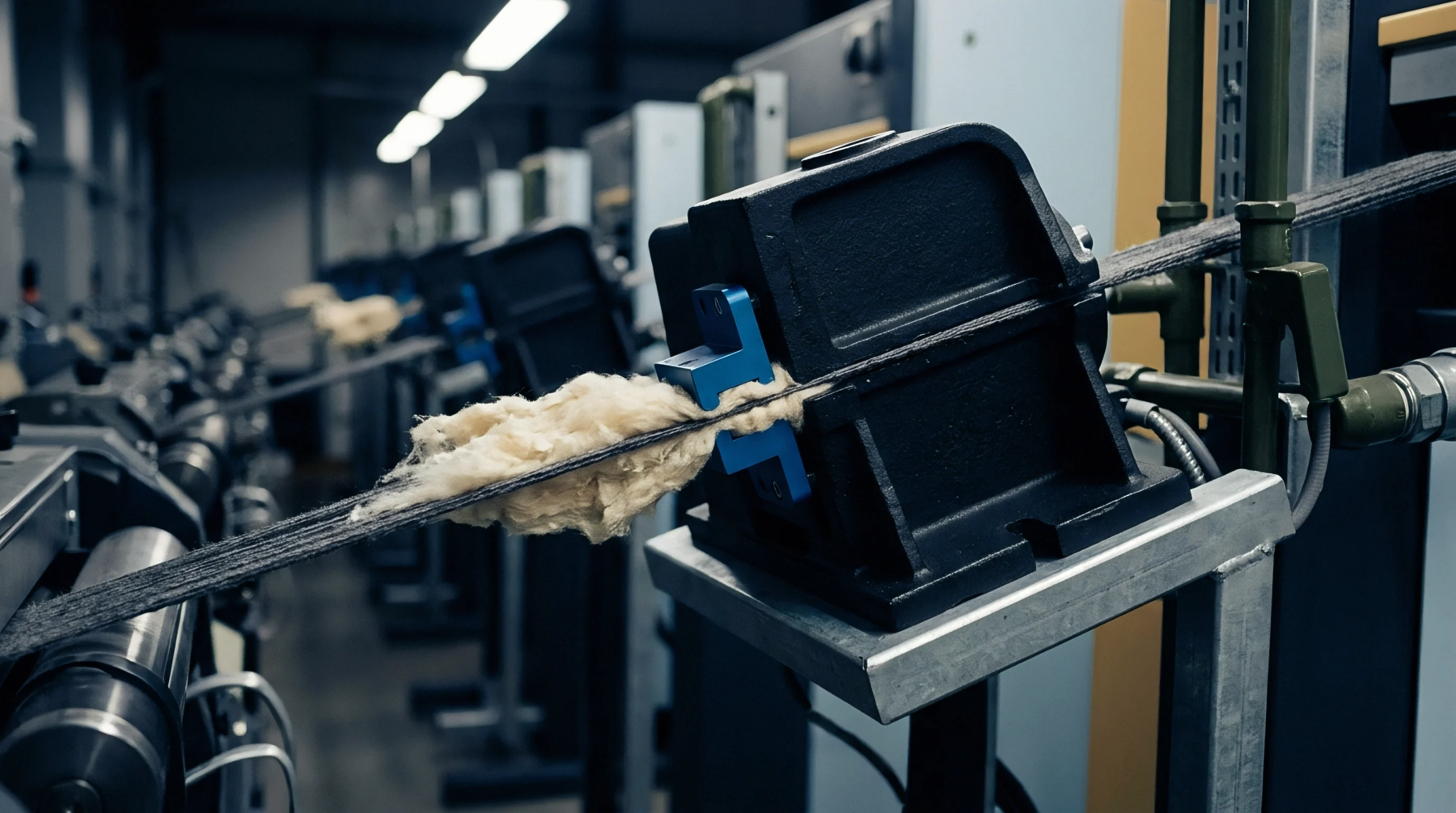
Elastic Fracture
Filament disintegration within a stretch textile occurs when internal elastane fibres break while the surrounding yarn cover remains intact. This elastane core rupture creates localized loss of recovery and unsightly protrusions along the fabric surface. The failure arises from excessive mechanical stress applied during finishing or incorrect needle selection in sewing stages.
When the polymer chain reaches its limit of extension, the snap causes internal damage that stays hidden until the garment undergoes physical tension. Practitioners verify this degradation by comparing initial stretch values against post-production recovery percentages.
Structural Integrity
The phenomenon primarily affects core-spun yarns where a polyurethane filament provides elasticity to non-stretch fibres like cotton or polyester. High heat levels inside tenter frames trigger premature degradation of the polymer. Over-tensioning during winding also forces the internal filament to stretch beyond its elastic modulus, leaving the internal structure compromised even if the external wrap shows no visual defects.
Laboratory analysis via chemical dissolution separates the sheath from the core to quantify the density of broken filaments per unit length. Fabric density influences the threshold, as tighter constructions constrain the movement of the core during thermal expansion. Excess pressure during dyeing cycles reduces the durability of the elastane, especially when pH values deviate from the neutral range.
Mechanical Constraint
Factories apply specific tension limits during warping to prevent this condition before the fabric construction begins. Workers monitor the creep rate of the yarns as they feed into the weaving loom or circular knitting machine. If the feed rate remains unadjusted, the sudden snap of the inner core leaves a permanent defect that ruins the entire lot.
Softeners added during the final wet processing phase help reduce friction between the fibres, allowing the elastane to move more freely within the yarn structure without snapping against the harder staple fibres. Machine settings must account for the specific denier of the elastane used, as thinner filaments reach their failure point sooner than heavier variants under equivalent loads.
Quality Threshold
Testing protocols identify the rupture by subjecting swatches to repeated elongation cycles under controlled environments. A loss of recovery exceeding a pre-established limit indicates failure. Technicians observe the surface texture through magnification to confirm the protrusion of broken filaments through the cover fibres.
These visual checks supplement the physical data to ensure the batch meets consumer requirements for garment longevity. Manufacturers who skip these inspections face claims when consumers find garments losing their fit after only a few cycles of wear. Consistent monitoring of tension settings across all processing machines prevents the development of these microscopic fractures that compromise the technical performance of stretch textiles.
Proper adjustment of the production line maintains the intended recovery properties of the garment throughout the lifecycle of the product.