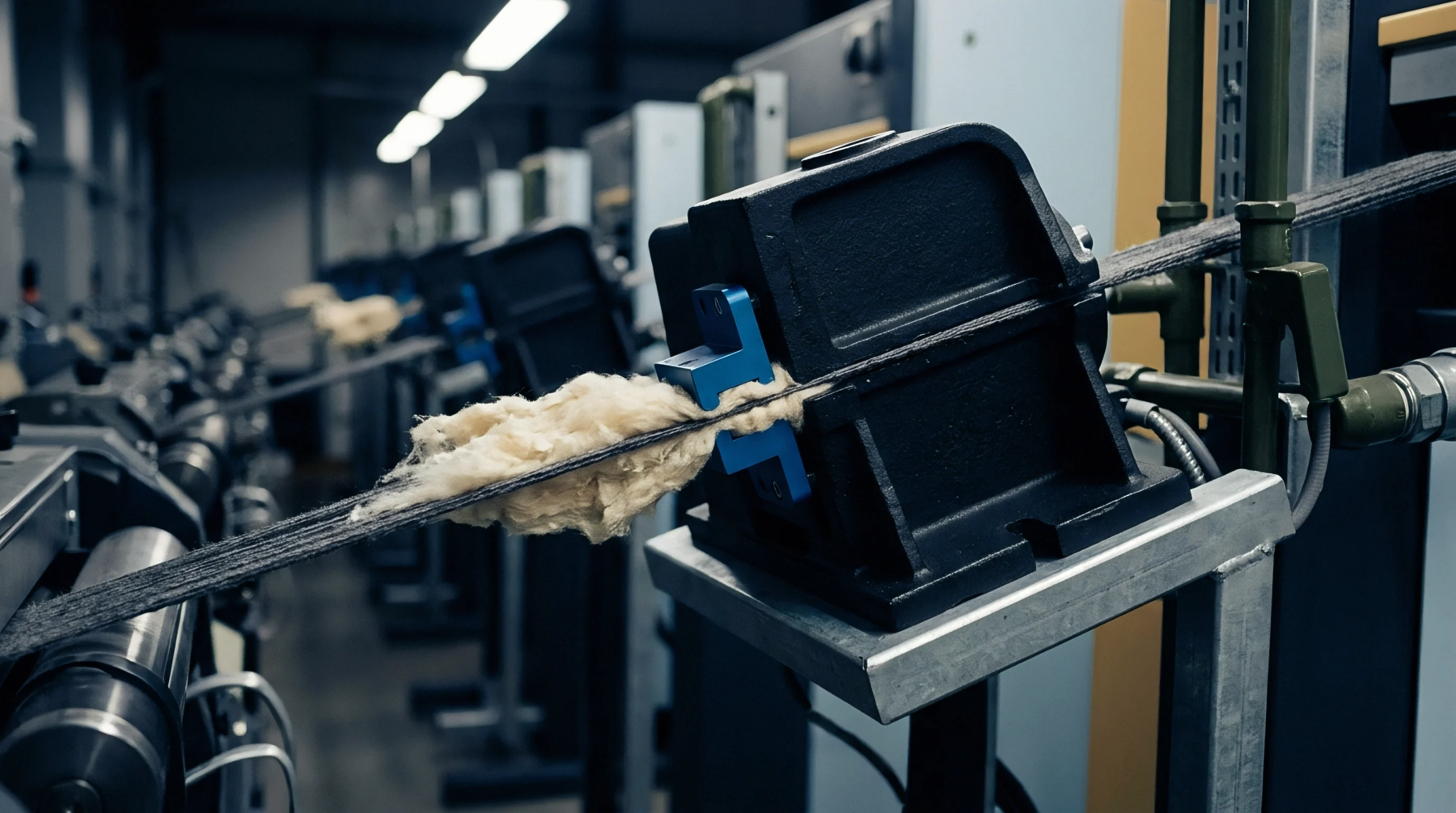
Mechanical Defect
Localized physical disruption of the fiber structure on a woven or knitted sheet occurs when the material rubs against hard surfaces. The fabric surface chafe appears as a fuzzy or discolored patch where individual fibers have been abraded or displaced from the yarn assembly. This damage is typically detected during the final quality inspection of finished goods.
Frictional Source
The friction generated during wet processing in jet or winch dyeing machines represents a common cause of fiber abrasion. When a fabric surface chafe develops during these processes, it is often due to the fabric rope rubbing against the dry metal walls of the vessel or through a narrow nozzle. Low liquor ratios increase the frequency of fabric-to-metal contact, which accelerates the wear on the fiber surfaces.
The use of lubricating agents in the dye bath reduces this friction. These additives create a thin liquid barrier between the fabric and the metal parts.
Appearance Impact
The disturbance of the fiber layout alters the way light reflects off the affected area of the textile material. A fabric surface chafe causes a visible change in color depth, often appearing lighter than the surrounding undisturbed fabric. In dyed cellulose fibers, the abraded fibers scatter light differently, making the defect look like a frosty or dusty spot.
This visual inconsistency renders the fabric unsuitable for high-quality garments.
Prevention Method
Chemical lubricants added directly to the wet processing bath form a protective film over the textile surface. These specialty auxiliaries reduce the coefficient of friction, thereby preventing the formation of a fabric surface chafe during high-speed circulation. The selection of the proper lubricant depends on the fiber blend and the mechanical action of the dyeing machine.