Storage Environment
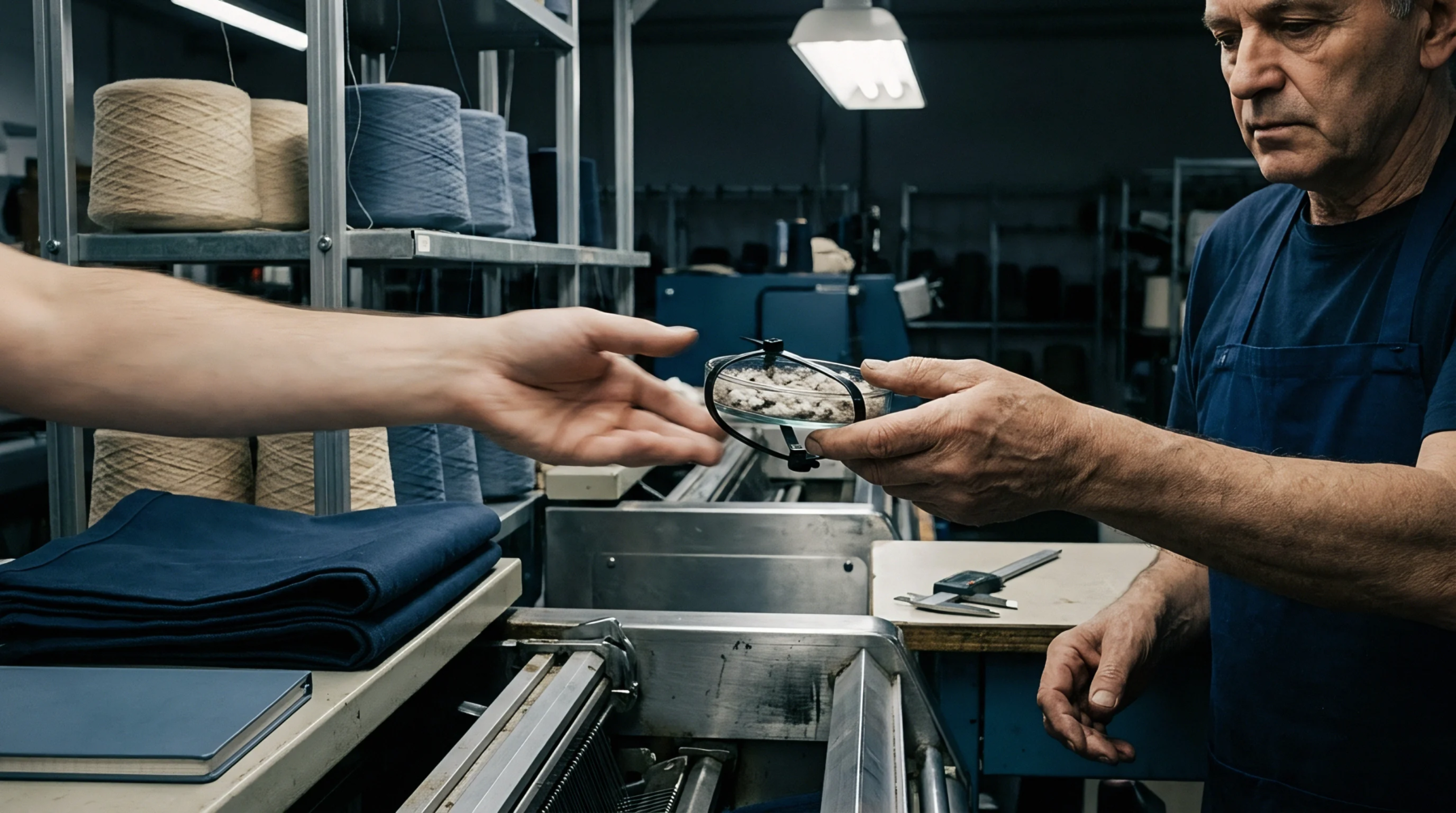
Woven and knitted textiles leaving the loom or knitting machine require controlled warehouse conditions to prevent fiber degradation prior to dyeing and finishing. Proper greige fabric storage maintains fabric stability by protecting untreated rolls from moisture absorption, dust contamination, and direct sunlight. Unfinished fabrics retain natural oils, sizing agents, and lubricants that attract ambient contaminants if left unprotected.
Stacking rolls off the floor on clean pallets or rack systems prevents ground moisture from causing mildew growth in stored rolls.
Humidity Control
Moisture management within textile storage spaces directly influences subsequent wet processing outcomes. Cotton and viscose greige fabrics absorb environmental humidity rapidly, causing weight variations and uneven moisture distribution across fabric rolls. Maintaining relative humidity between fifty and sixty percent in greige fabric storage prevents fiber swelling and localized mildew formation.
Dry environments cause cellulosic fibers to lose moisture content, leading to brittleness and static electricity accumulation during unrolling. Consistent environmental parameters protect uniform dye absorption during later dyeing operations.
Degradation Risk
Prolonged holding of unfinished cloth risks chemical decomposition of residual sizing materials and spinning lubricants. Sizing agents like starch or polyvinyl alcohol degrade over time when exposed to high ambient humidity, becoming difficult to remove during desizing. Inadequate greige fabric storage conditions cause oxidized oils to create yellowing and localized resist spots that prevent uniform dye penetration.
Rolls stored under high tension or stacked excessively high develop permanent crease marks and width variations across the fabric web.
Inventory Turnover
Warehouse inventory management protocols utilize first-in first-out rotation schedules for stored fabric rolls. Tracking lot numbers and production dates in greige fabric storage ensures that older fabric rolls enter preparation and dyeing before structural or chemical degradation occurs. Regular quality audits check stored rolls for surface contamination, sagging, and mold development.
Systematic roll rotation maintains consistent fabric quality throughout bulk production planning.