Fiber Contamination
Sticky excrement from whiteflies and aphids that contaminates raw cotton fibers creates operational difficulties during ginning and spinning by adhering to machine surfaces. Insect honeydew consists of complex sugars that remain on the fiber after the insects feed on the cotton plant. This residue is often invisible to the naked eye but becomes a major problem when the cotton is processed in the mill.
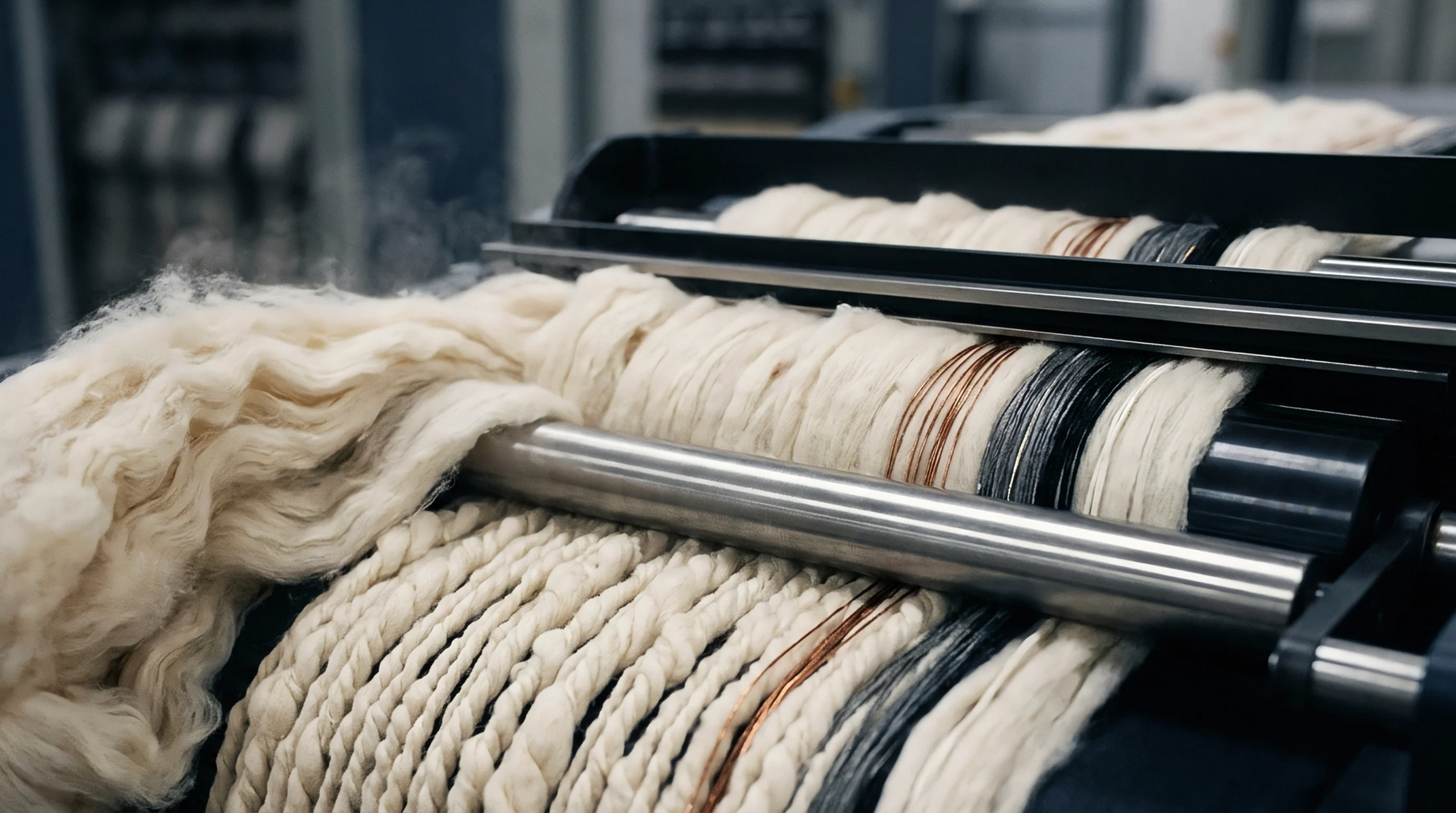
The sticky spots cause the fibers to wrap around rollers and drafting systems, leading to frequent machine stoppages and yarn defects. The boundary of this contamination is the raw cotton bale, and the effects persist until the sugar is removed or neutralized.
Processing Disruption
Movement of sticky cotton through the production line is slow and unpredictable because of the friction created by the sugar residues. Insect honeydew sticks to the metallic surfaces of the carding and spinning machines, building up over time until the parts must be cleaned. This buildup alters the drafting forces and causes the sliver to break or become uneven in weight.
In the spinning frame, the contaminated fibers often wrap around the rubber cots, which ruins the yarn and damages the machine components. Mills must reduce the operating speed of their equipment to handle honeydew infested cotton, which decreases the overall production efficiency and increases labor costs. Humidity control is another factor, as high moisture levels make the sugar even stickier and harder to process.
Some mills use chemical sprays to neutralize the sugars, but these additives can affect the subsequent dyeing and finishing processes. Operators must constantly monitor the rollers for signs of buildup to prevent large scale quality failures. If the contamination is severe, the cotton may be unusable for high speed modern spinning machines.
Chemical Detection
Identification of the specific sugars in the contamination is necessary for assessing the severity of the problem. Insect honeydew contains trehalulose and melezitose, which are not found in the natural sugars of the cotton plant itself. Laboratory tests like the sugar content analysis and the thermodetector method are used to quantify the level of stickiness in a sample.
High levels of trehalulose are a clear sign of aphid or whitefly activity in the field during the growing season. These results help the mill decide how to blend the contaminated cotton with cleaner lots to minimize the impact on production.
Yield Loss
Financial impact of sticky cotton includes lower prices for the raw fiber and higher costs for the mill operations. Insect honeydew reduces the commercial value of a cotton crop because of the risks it poses to the spinner. Farmers may face significant price deductions if their cotton tests positive for high sugar levels.
The loss of yield during processing and the increased waste from machine cleaning further erode the profitability of the textile supply chain. Quality control at the ginning stage is the first line of defense against this contamination. Accurate testing and labeling of the sticky cotton allow for better management of the material throughout the industry.