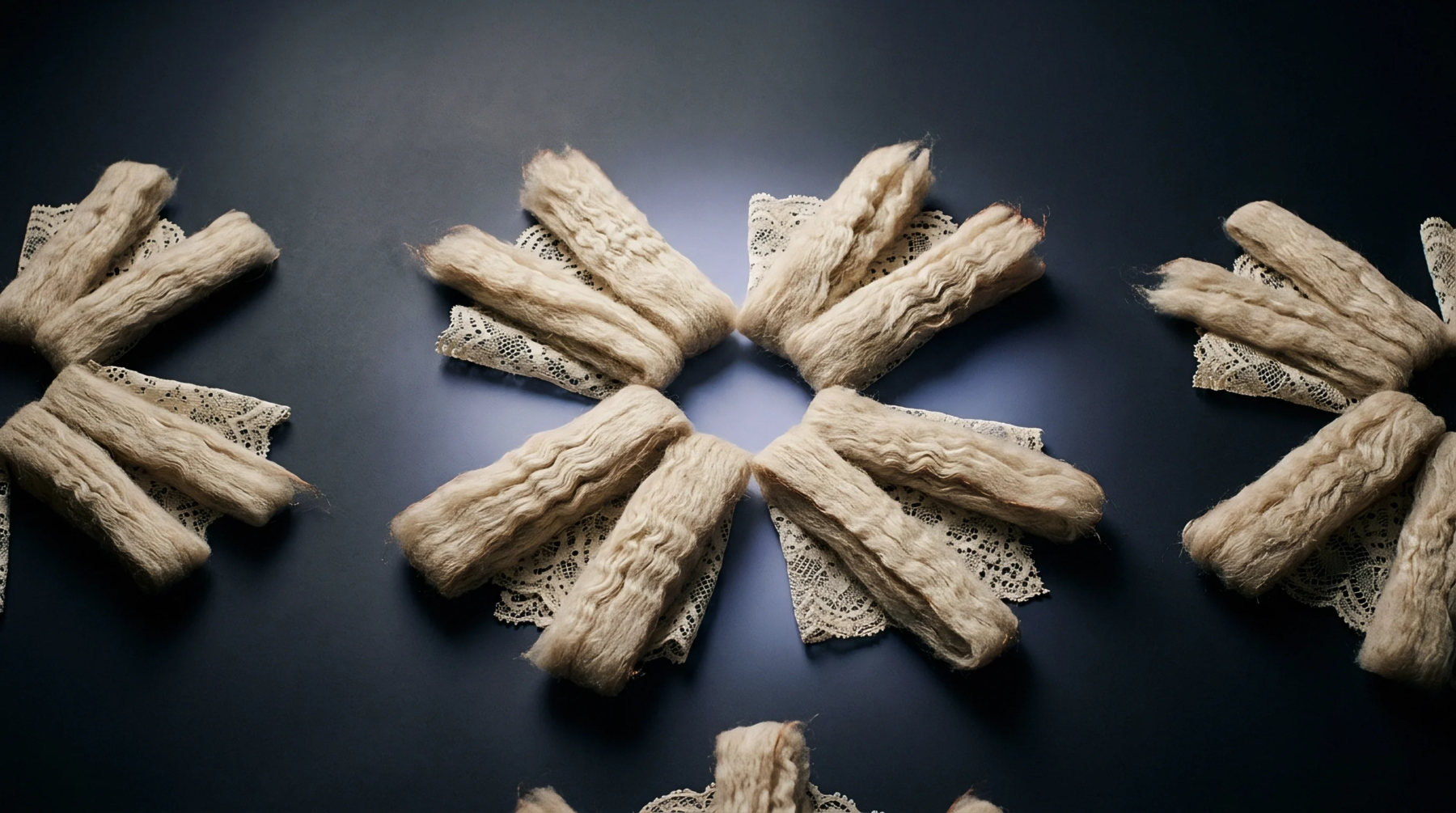
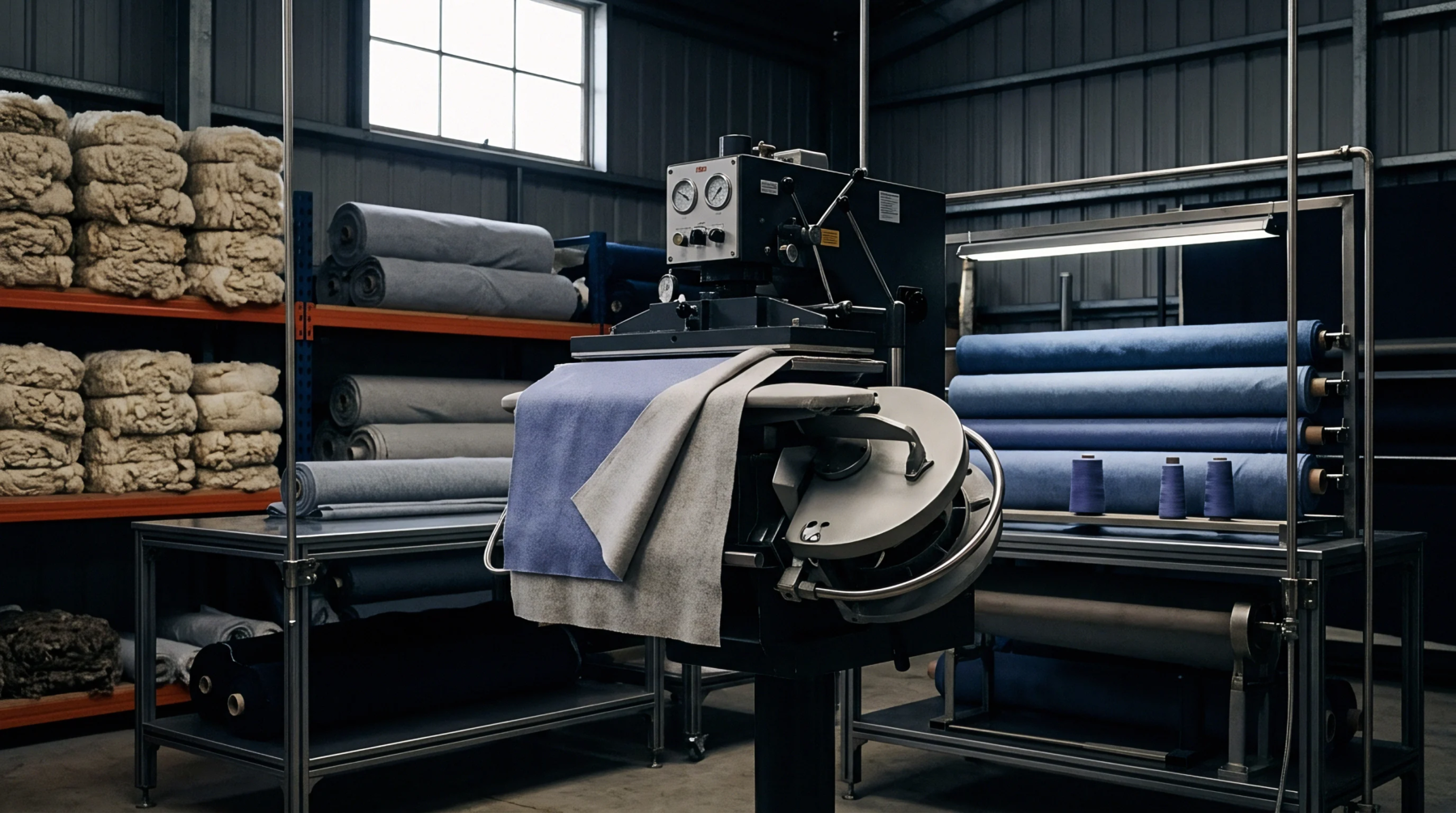
Frictional Cohesion
Frictional resistance in textile assemblies opposes the relative movement of individual fibers that lie in contact with one another. During the drafting and spinning processes, inter fiber friction determines the drafting force required to draw out the fiber strand and the twist needed to hold the yarn together. Low friction leads to yarn slubs and drafting waves, while high friction can cause fiber breakage and unevenness.
Spinning mills control this property by applying spin finishes or lubricants to the fiber surface before processing.
Yarn Strength
Twist insertion during ring spinning locks the fibers together by increasing the radial pressure between them. This pressure increases inter fiber friction, preventing the fibers from slipping apart under tensile load. This mechanism is the primary source of strength in staple fiber yarns.
Lubrication Control
Spin finishes and conditioning agents are applied during fiber prep to optimize frictional behavior. Too much lubricant reduces inter fiber friction, leading to poor yarn cohesion and low tensile strength. This balance must be managed to ensure smooth running on the spinning frame.
Testing Method
Fiber cohesion meters measure the force required to pull a roving or yarn apart under controlled compression. This force is a direct measure of inter fiber friction under realistic manufacturing conditions. It helps spinning mills adjust their lubricant dosing for different batches of raw cotton or synthetic fibers.