Processing Metric
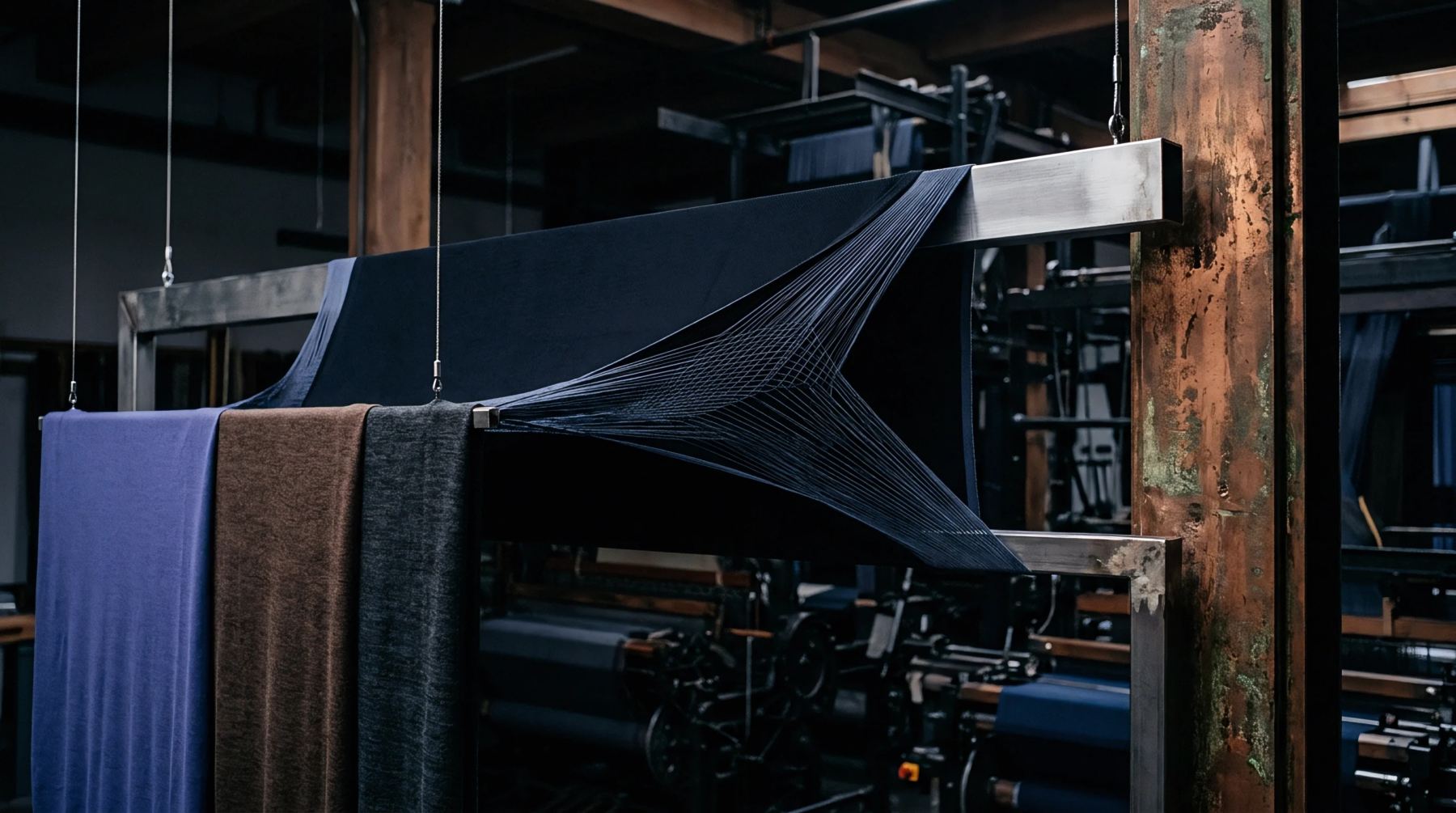
Dimensional change during high pressure fluid circulation measures the degree to which textile substrates shrink or extend under mechanical force. Jet dyeing contraction describes the interaction between high speed rope circulation and fabric tension during liquid immersion. Constant flow dynamics drive the material against nozzle walls while simultaneously pushing the fibre structure toward a tighter configuration.
Mechanical Variance
Tension gradients along the machine circumference generate non uniform stress across the fabric batch. Friction within the transport zone forces yarn bundles to settle into closer proximity than their original loom state. Differential pressures between the front and rear of the chamber influence how much width loss occurs as the rope rotates.
Dense knits experience higher levels of structural compaction than lightweight open structures due to superior resistance to fluid penetration.
Operational Boundary
Maximum allowable tolerances define the threshold for acceptable physical movement during the dyeing cycle. Quality control departments verify these dimensions against pre process measurements after the fabric exits the drying stage. Stabilization of the fibre occurs when heat setting locks the geometry in place.
Excess movement indicates insufficient tension control or improper nozzle pressure regulation during the wet processing phase.
Dimensional Stability
Thermal energy applied during the drying process releases the residual energy stored within the compressed architecture. Shrinkage happens when the polymer chains return to their equilibrium state once the mechanical load disappears. Producers monitor these shifts to ensure garments retain intended size specifications after final manufacturing.
Fabric stability depends on the management of these forces from the initial dye bath until the finished roll arrives for inspection.