Electronic Inspection
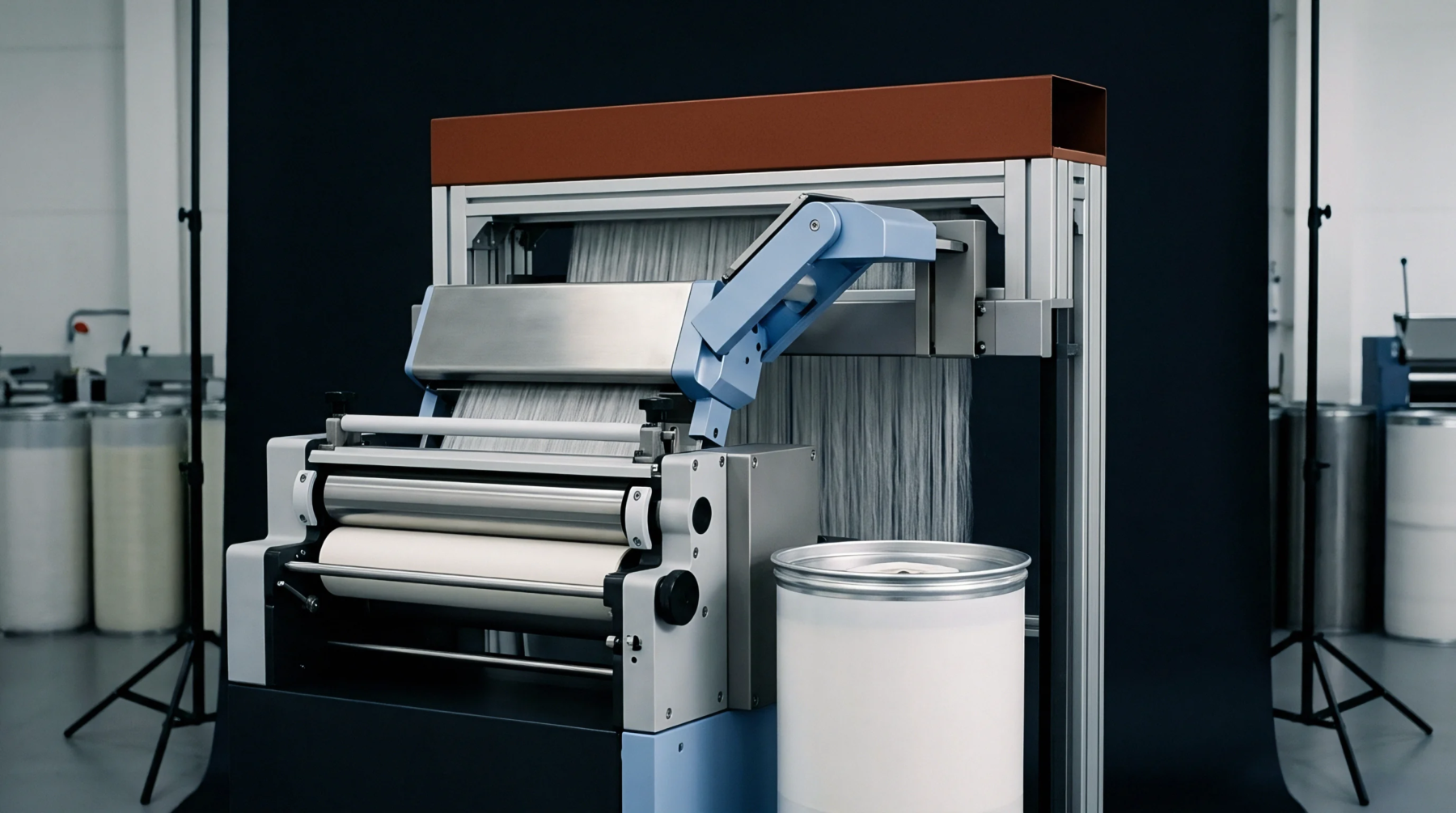
Objective determination of wool fibre diameter is carried out by firing an optical beam through a fast moving stream of fibres suspended in a special liquid medium. Use of LaserScan provides a modern alternative to air resistance tests by counting individual fibres one by one to build a detailed frequency distribution of fineness. This machine measures the exact thickness of thousands of wool fragments per second, offering a level of precision that older technologies cannot match in high volume settings.
The resulting output gives the mean diameter alongside the standard deviation and the percentage of coarse hairs that could cause itching. Spinning mills use this data to calculate the comfort factor and decide which fabrics will be suitable for clothing worn directly against the skin.
Scan Process
Measuring begins when the wool is cleaned and blended before being cut into microscopic pieces that pass through the laser focus zone. Inside LaserScan, the deflection of the light beam as a fibre interrupts its path tells the computer exactly how thick the material is at that specific moment. These individual sightings are processed at high speed to build a statistical map of the whole sample, rather than just an average of the collective mass.
Calibration occurs with every new shift using standard calibration tops that have a globally recognized diameter profile to ensure sensor accuracy remains within narrow margins. This system removes the risk of a single large fibre going unnoticed, which is a major advantage over simple density tests. Every record shows the total quantity of fibre pulses detected to verify that the scan sample was large enough to be representative.
Quality Threshold
Precision of the finish depends on maintaining the liquid transport system at a uniform temperature to prevent changes in fibre swell or light refraction. When using LaserScan, the analyst must ensure the wool is completely dry and free from residual chemical cleaners that could cloud the internal optics of the laser head. The method works best for wool from thirty micrometres down to the very finest luxury grades used in suiting textiles.
It remains the gold standard in laboratory environments because it provides a printable histogram that shows the spread of fibre weights within a single lot. This allows weavers to spot hidden batches of mixed wool that might lead to irregular yarn strength or uneven dye absorption in the final fabric. If the standard deviation is too high, the wool is moved to a lower grade bin to protect the high end production line.
Data Management
Verification of sample details happens after the automated sequence concludes to cross reference the digital results with the physical tags of the bale. Usage of LaserScan allows for a complete digital record of a farm output over multiple years to track improvements in animal fibre production. The machine output is linked directly to the commercial invoice to prove the items are within the limits of the buyer quality contract.
International standards confirm the correct procedure for LaserScan usage to ensure that a result in South Africa matches a check done in a European test house. This connectivity ensures that global traders can move fibre between ports without needing to redo expensive laboratory work upon arrival. Consistent use of high end optical sensors maintains the technical integrity of the wool supply chain for retailers.