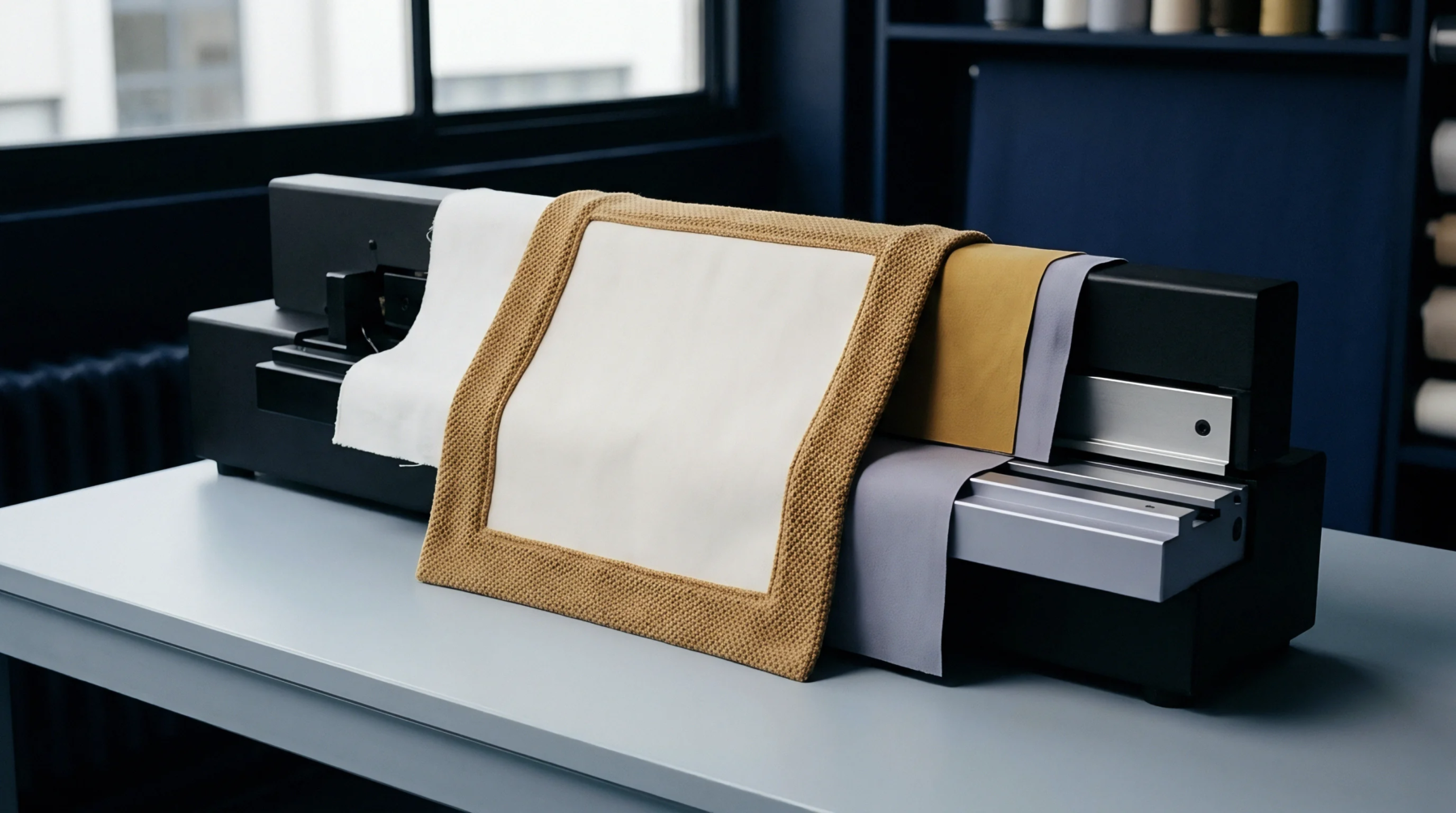
Fabric Draw
The mechanical assembly that pulls the newly woven fabric away from the weaving zone determines the spacing of the horizontal threads. Industrial looms employ a loom take-up motion to draw the cloth roll forward at a constant rate after each yarn insertion. This continuous movement directly regulates the density of the filling yarns per inch of fabric.
The speed and precision of this motion are critical for maintaining uniform fabric weight and thickness.
Mechanical Types
Mechanical types of this take-up system include both positive and negative mechanisms. Positive systems use gear trains or electronic motors to pull the fabric at a fixed, predetermined speed, ensuring highly consistent pick spacing. Negative systems rely on tension from weighted levers to draw the fabric forward, meaning the movement depends on the tension generated during the beat-up process.
Most high-speed modern looms use electronic positive take-up motions for maximum precision.
Density Control
Density control is achieved by synchronizing the rate of take-up with the speed of the loom’s pick insertion. To produce a heavy, dense fabric, the take-up motion is programmed to move the fabric forward very slowly, packing the filling yarns closely together. For a lightweight, open fabric, the motion accelerates to create wider gaps between the picks.
This balance allows the mill to transition between different fabric weights without changing the warp setup.
Mill Calibration
Mill calibration of this system must be verified against the finished fabric specifications. If the take-up speed is uneven, the fabric will suffer from thick and thin places, which can lead to strength failures or visual defects. Quality technicians perform regular pick counts to ensure that the electronic settings translate into accurate, physical yarn spacing.