Structural Porosity
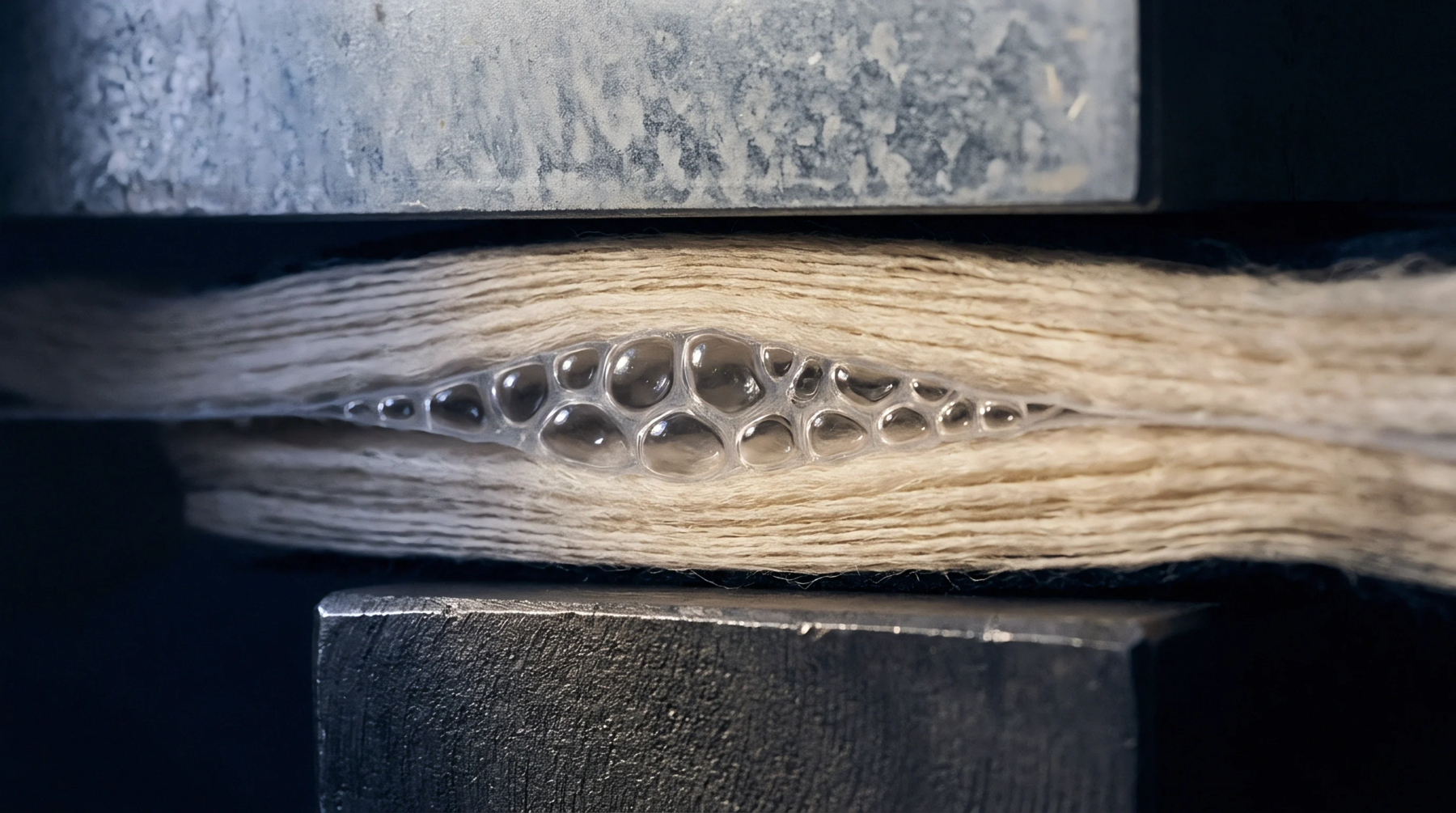
Volume of sub-micron empty spaces distributed within the internal structure of a synthetic filament determines its dye uptake and mechanical strength. The micro-void density of a polymer fibre represents the concentration of these internal cavities formed during extrusion or drawing. These voids act as potential sites for moisture absorption and dye molecule fixation.
Controlling this parameter is necessary for producing high-yield, deep-dyeing yarns.
Fibre Performance
Filaments with a high micro-void density can suffer from reduced tensile strength because the voids act as stress concentrators under mechanical load. However, these cavities also scatter light, which increases the opacity of the yarn and reduces the need for delustering agents like titanium dioxide. They can also enhance the thermal insulation properties of the finished fabric by trapping minuscule pockets of air.
Balancing these properties requires precise control of the drawing temperature and draw ratio.
Measurement Technique
Characterizing this internal structure is accomplished using small-angle X-ray scattering or gas pycnometry on yarn samples. The test calculates the average micro-void density by comparing the measured density of the yarn to the bulk density of the polymer. Mills utilize this test to diagnose spinning errors or to verify the consistency of texturized yarns.
Precise records help isolate batch variations before the yarn moves to the weaving stage.
Finishing Response
High void concentrations can lead to rapid dye adsorption, which may cause unlevel dyeing or wash fastness issues if the dye molecules are not properly anchored. Ensuring a uniform distribution of these cavities prevents shade variations along the yarn package. Proper setting during finishing stabilizes the void structure for the life of the garment.