Orifice Geometry
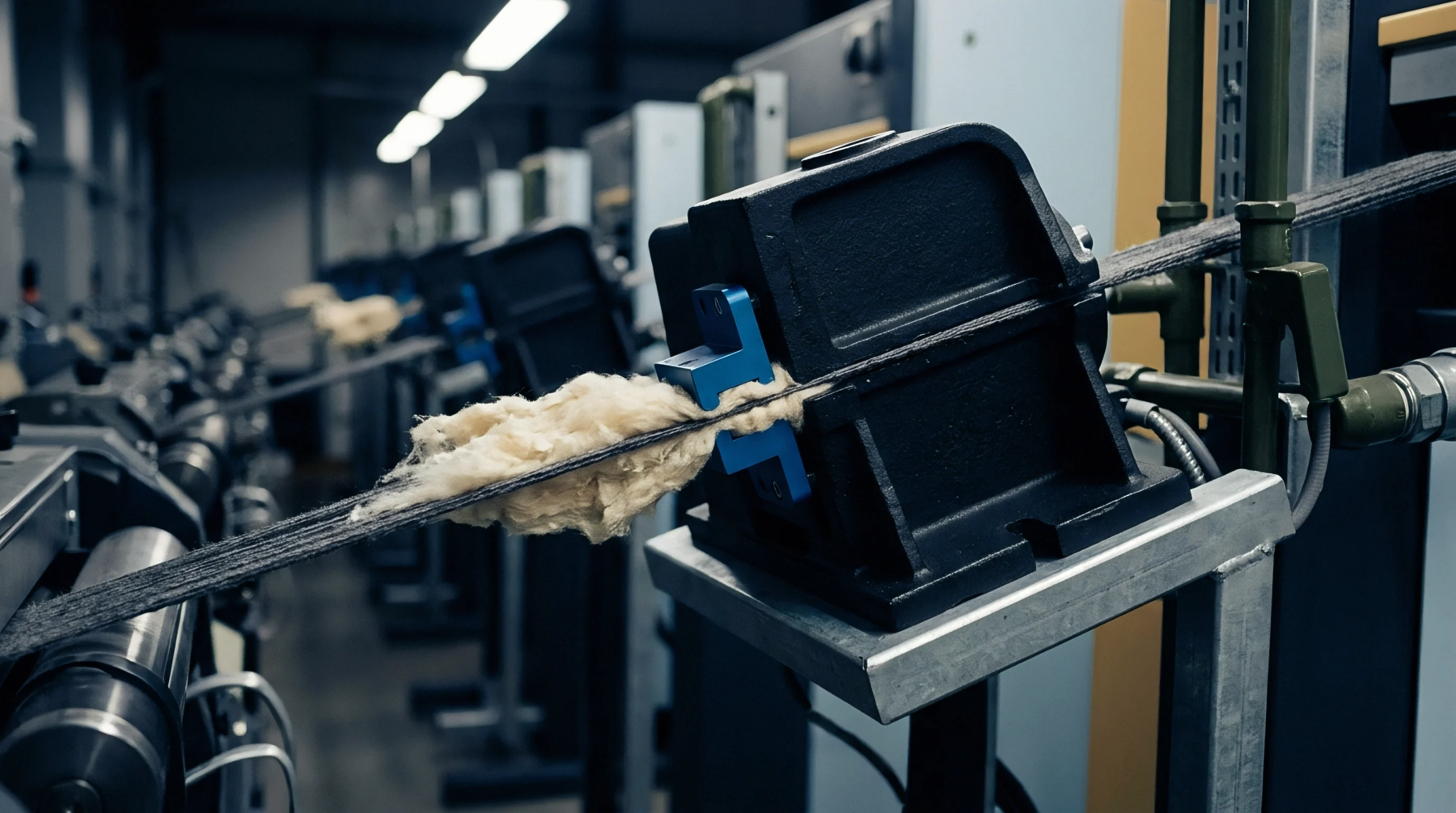
Physical spacing inside a jet dyeing machine determines the velocity and turbulence levels of the liquor stream responsible for carrying the fabric rope through the treatment cycle. Maintaining the correct nozzle throat clearance ensures that the fabric travels at a consistent speed without experiencing excessive tension or mechanical bunching at the entry point. This measurement represents the distance between the interior wall of the replaceable nozzle and the thickest part of the wet fabric being propelled through the system.
By adjusting this gap, technicians can control the hydraulic lift exerted on the cloth, allowing it to glide on a layer of liquid rather than rubbing against the hard stainless steel surfaces. When the clearance is set correctly for the weight of the material, it prevents common issues like pilling or surface abrasion which can ruin the finish of high quality knits. Choosing the right diameter for each batch is a primary duty of the head dyer in high performance fabric facilities.
Fluid Dynamics
Controlling the flow patterns around the fabric depends on the pressure differential created inside the restricted space of the nozzle assembly. As the liquor enters the narrowing path of the throat, it accelerates based on the nozzle throat clearance, creating a high energy zone that forces chemical solutions into the inner fibres of the rope. If the gap remains too wide, the speed of the fabric becomes erratic because the fluid bypasses the substrate rather than pushing it forward with steady energy.
Conversely, a clearance that is too tight leads to hydraulic bottlenecks where the pressure rises significantly, potentially damaging the machine seals or causing fabric tangles inside the vessel. Engineers utilize precise shims or variable diameter units to dial in the ideal settings for everything from lightweight lace to heavy upholstery fabrics. These adjustments allow the pump to operate at its most efficient curve while delivering maximum saturation coverage to every square centimeter of the lot.
Material Throughput
Throughput rates in a modern mill are directly tied to how efficiently the fabric cycles through the machine without manual intervention from the operational staff. Because every fabric quality has a specific bulk when wet, the nozzle throat clearance must be verified every time a new production recipe is loaded into the controller. If the technicians fail to account for the thickness of the fabric, the rope may stall, leading to uneven dye absorption or localized thermal damage from the steam injectors.
Maintaining a detailed register of historical settings for every material weight allows the team to save time during the initial set up of high volume orders. This predictive approach minimizes downtime and helps keep the daily production targets achievable despite the complexity of multiple fabric styles. Verification of the nozzle state occurs during the weekly cleaning shift where the metal is inspected for rough spots or buildup that could alter the effective gap.
Surface Integrity
Preventing mechanical degradation of the finished fabric requires a friction free environment that starts with the smooth interaction at the nozzle head. Because slight increases in nozzle throat clearance can reduce the frequency of fabric turnover, dyers look for the minimum successful setting that allows the cloth to move without resistance. This delicate balance helps preserve the original hand feel of the yarn by minimizing the contact with internal hardware during the six or eight hours of continuous movement in the kier.
High density materials often require specialized oversized nozzles to maintain enough liquor depth between the metal and the fibre for the duration of the cycle. Regular audits of these clearances ensure that the machine is not slowly drifting out of spec from repeated use or improper installation of the internal components. These precise mechanical measurements provide the foundation for consistent quality across the different machine lines found in a textile finishing plant.