Pretreatment Method
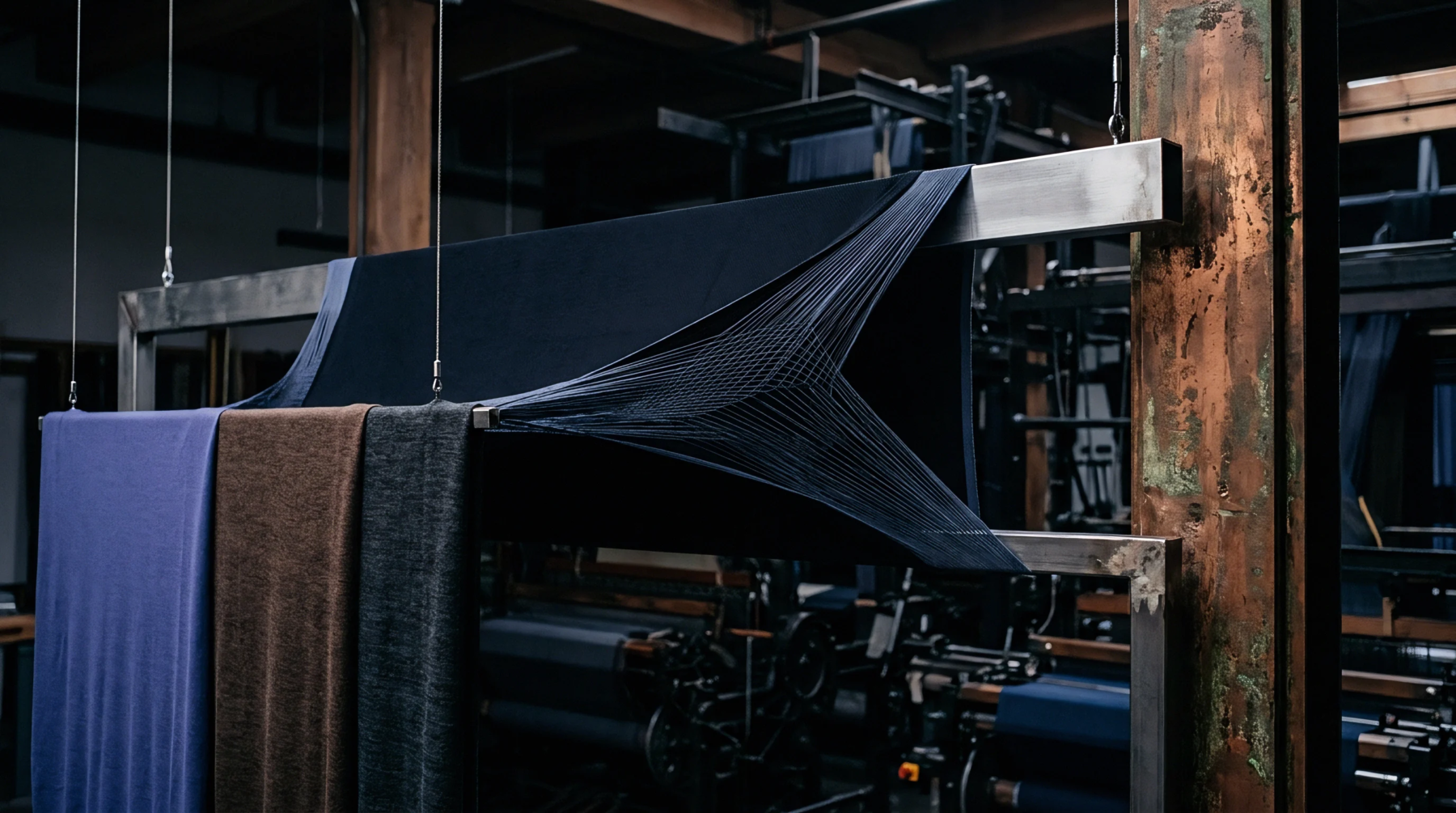
Continuous tension control during fabric preparation prevents the creases often introduced by rope processing machines. Open width scouring removes waxes, pectins, and sizing agents from flat textiles by passing the material through heated chemical baths in a spread state. Mechanical rollers keep the fabric edges aligned and smooth across the entire width of the machine.
This technique avoids the permanent deformation that occurs when heavy cotton or synthetic blends pass through small diameter nozzles in a bunched configuration.
Chemical Action
Aqueous alkaline solutions containing surfactants and sequestering agents circulate against the moving substrate to displace impurities. These agents emulsify hydrophobic substances such as spinning oils or lubricants to ensure subsequent dyeing consistency. High turbulence within the scouring tanks promotes rapid diffusion of the cleaning agents into the core of the textile structure.
Precise temperature regulation maintains the solubility of the removed matter throughout the transit time.
Fabric Integrity
Maintaining the material in a flat orientation protects the surface finish of sensitive high-density constructions. Smooth passage through the equipment eliminates the risk of chafe marks or physical abrasion caused by contact with tight machine geometry. Correct alignment during the washing stages reduces the tendency for weft distortion and provides stable dimensions for final inspection.
Dimensional uniformity across the roll ensures that later printing or coating applications meet commercial tolerances for alignment and registration.
Process Efficiency
Higher throughput speeds result from the ability to treat large volumes of goods without the need for batching in folded states. Consistent cleaning outcomes reduce the rate of rejects that require reprocessing due to uneven dye uptake or lingering impurities. Automated sensors monitor the concentration of scouring chemicals to ensure that the bath conditions remain within the range specified for the fiber blend being processed.
Efficient removal of contaminants in a single pass optimizes energy consumption for the entire finishing department.