Thermal Resistance
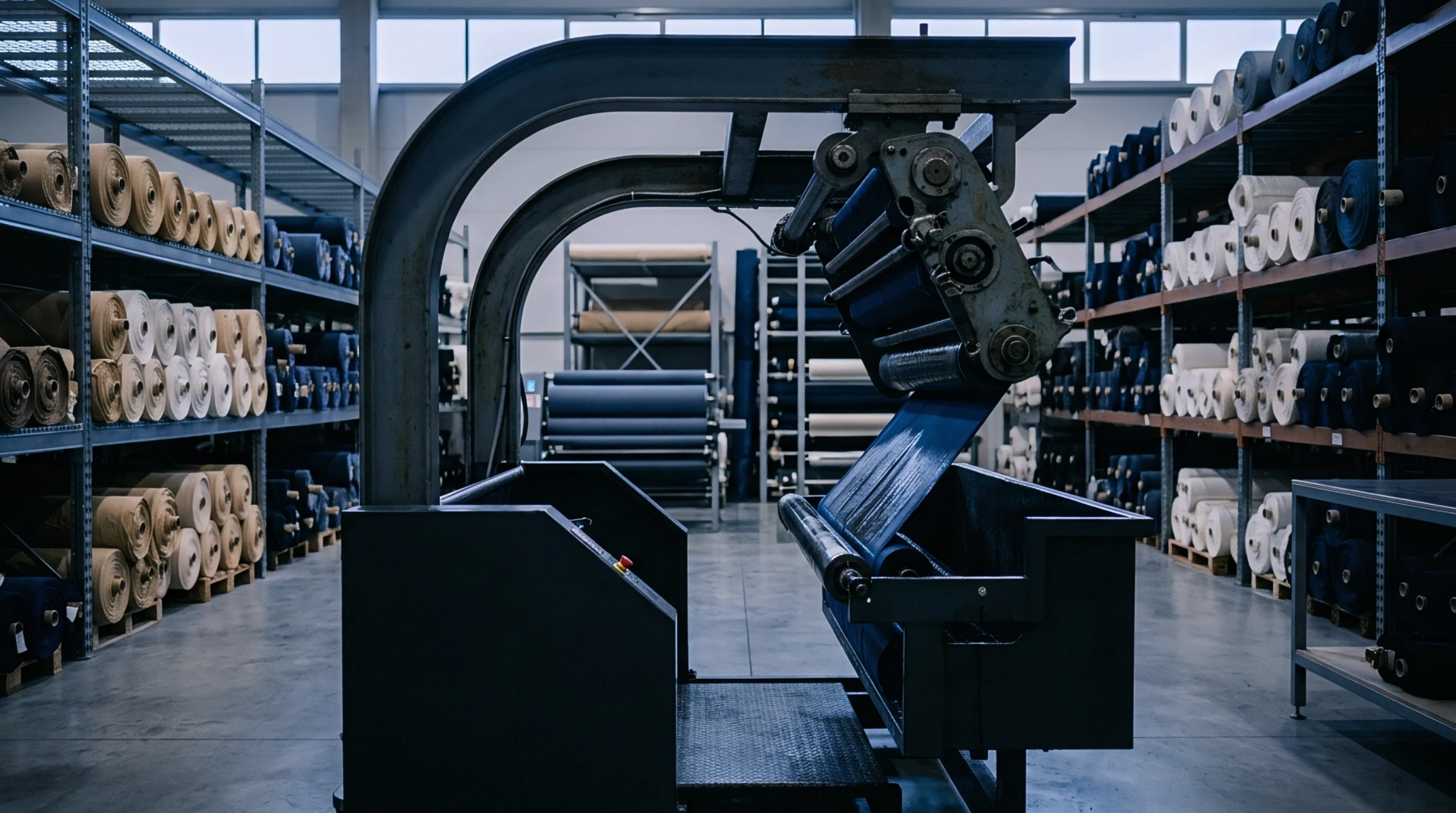
Heat-resistant polyimide barcode labels withstand continuous exposure to temperatures exceeding three hundred degrees Celsius during industrial processing. Industrial sewing operations require durable machine identification plates that endure extreme thermal treatments without degradation. Specialised adhesive systems anchor the synthetic film securely to metal casting surfaces on heavy machinery.
Subsequent laser etching processes produce high-contrast machine-readable data matrices directly on the substrate.
Adhesive Degradation
Aggressive chemical solvents and high-pressure steam cleaning cycles test the limits of bonding agents during routine maintenance checks. Acrylic polymers fail quickly under prolonged exposure to ester-based lubricants and strong alkaline detergents used in industrial laundry facilities. Silicone-backed variants maintain structural integrity indefinitely when subjected to identical environmental stresses.
Premature peeling compromises traceability throughout the asset lifecycle.
Print Resolution
Thermal transfer ribbons deposit dense resin formulations onto matte receptor coats designed for microscopic pixel retention. High-density linear codes and two-dimensional data matrices demand sharp edge definition to ensure reliable optical scanner decoding. Faint borders or bleeding ink patterns trigger immediate rejection at automated sorting stations.
Traceability Protocol
Government regulations mandate permanent component marking for critical aerospace and defence textile machinery parts. Regulatory compliance inspectors verify label legibility following accelerated weathering tests to confirm long-term reliability. Unreadable components halt assembly lines until replacement assets arrive from certified suppliers.
Regulatory compliance audits confirm that permanent asset tagging prevents counterfeit replacement parts from entering supply chains.