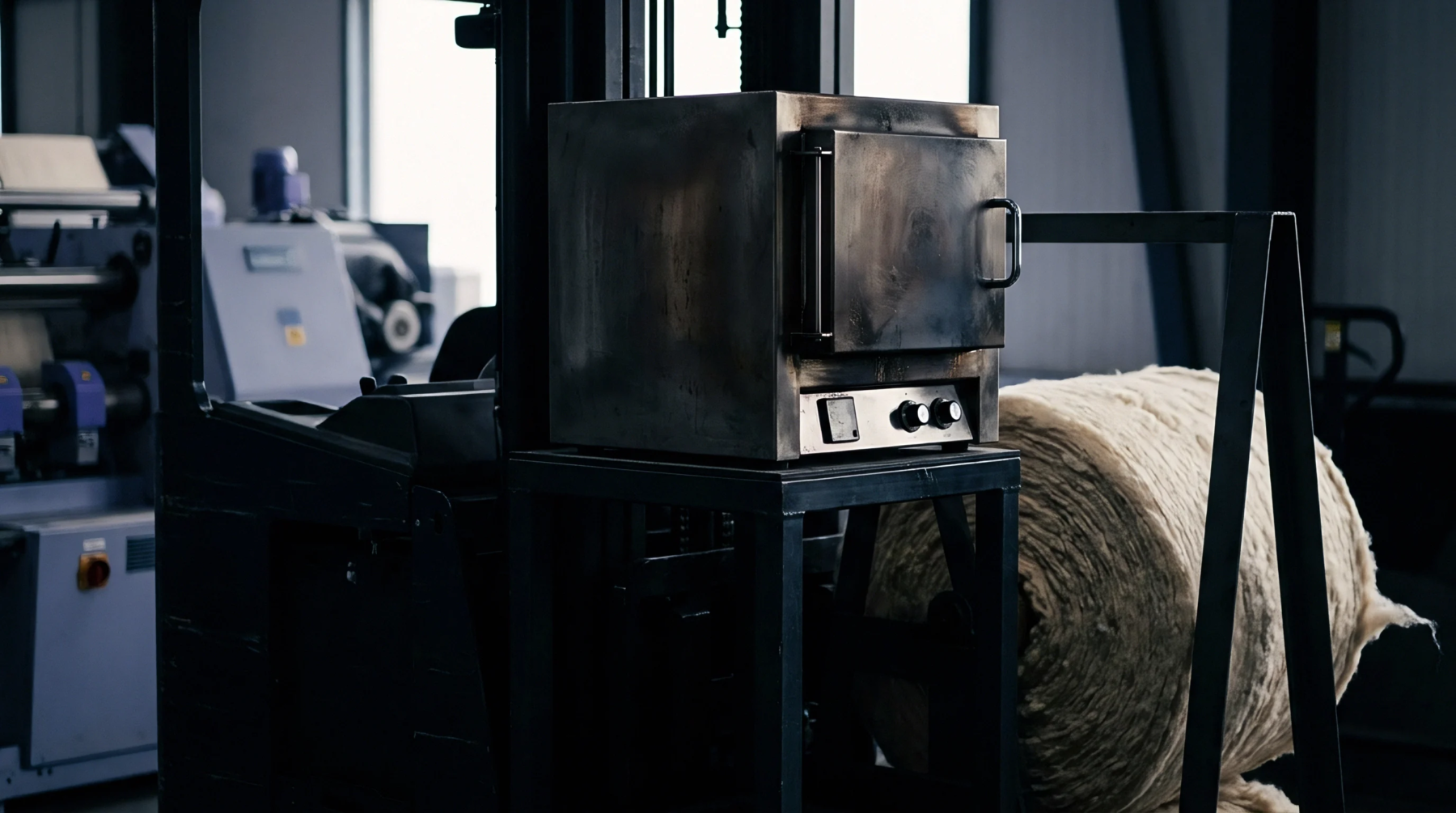
Temperature Dependent Drift in Textile Extract Ph Testing Laboratories
Controlling textile extract measurement temperature within 20 °C ± 1 °C prevents temperature-induced pH drift and false ISO 3071 compliance rejections.
Controlling textile extract measurement temperature within 20 °C ± 1 °C prevents temperature-induced pH drift and false ISO 3071 compliance rejections.

High sodium backgrounds reverse reference electrolyte outflow through porous frits, driving osmotic junction potential drift and causing significant pH measurement error.
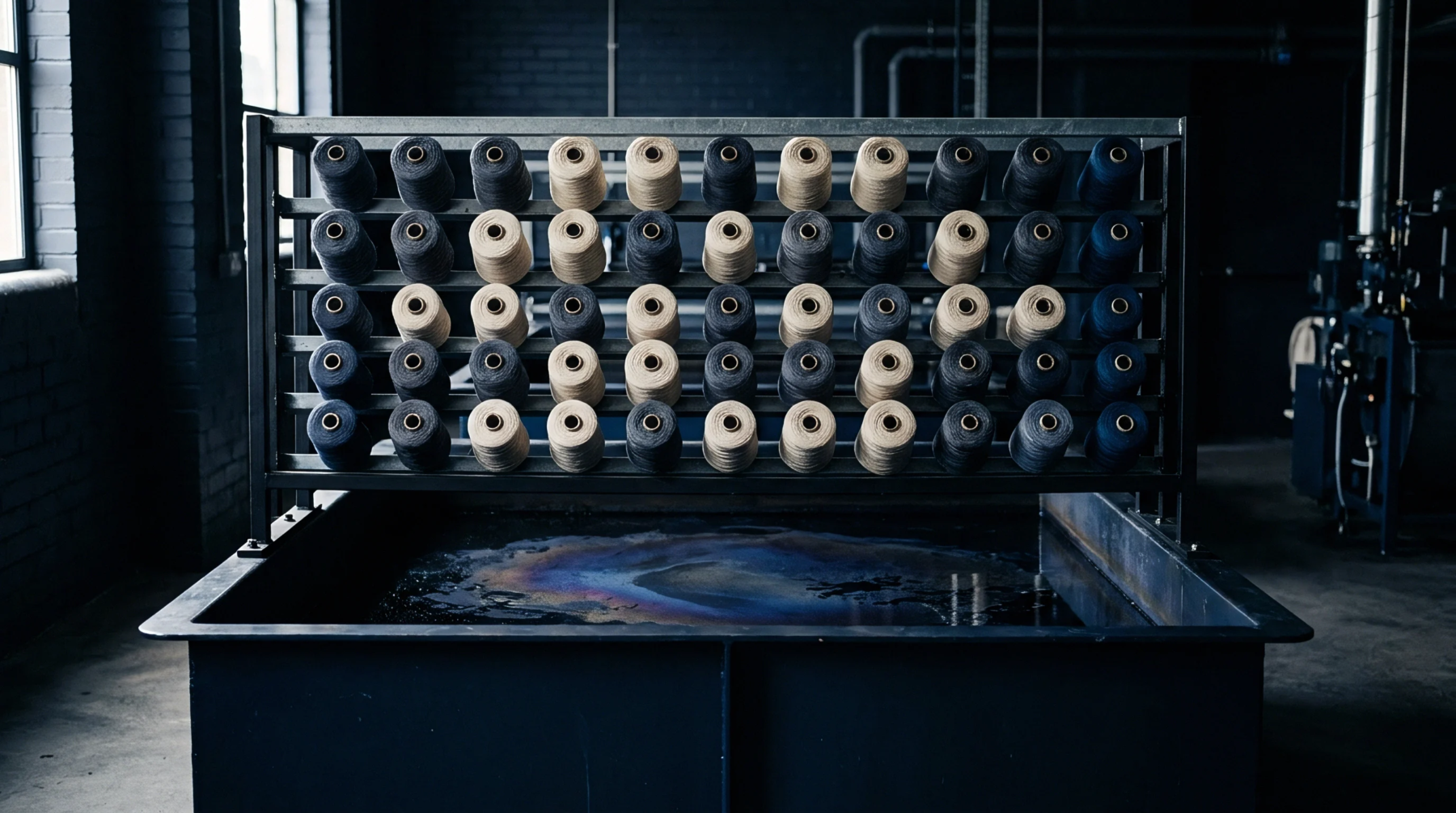
Managing liquid junction potential in low-conductivity textile extracts requires ground-glass sleeve electrodes or adding potassium chloride per ISO 3071.

Potentiometric control of high-concentration sodium hydroxide liquors requires matrix-matched calibration and derivative titration to correct sodium error and junction potential.
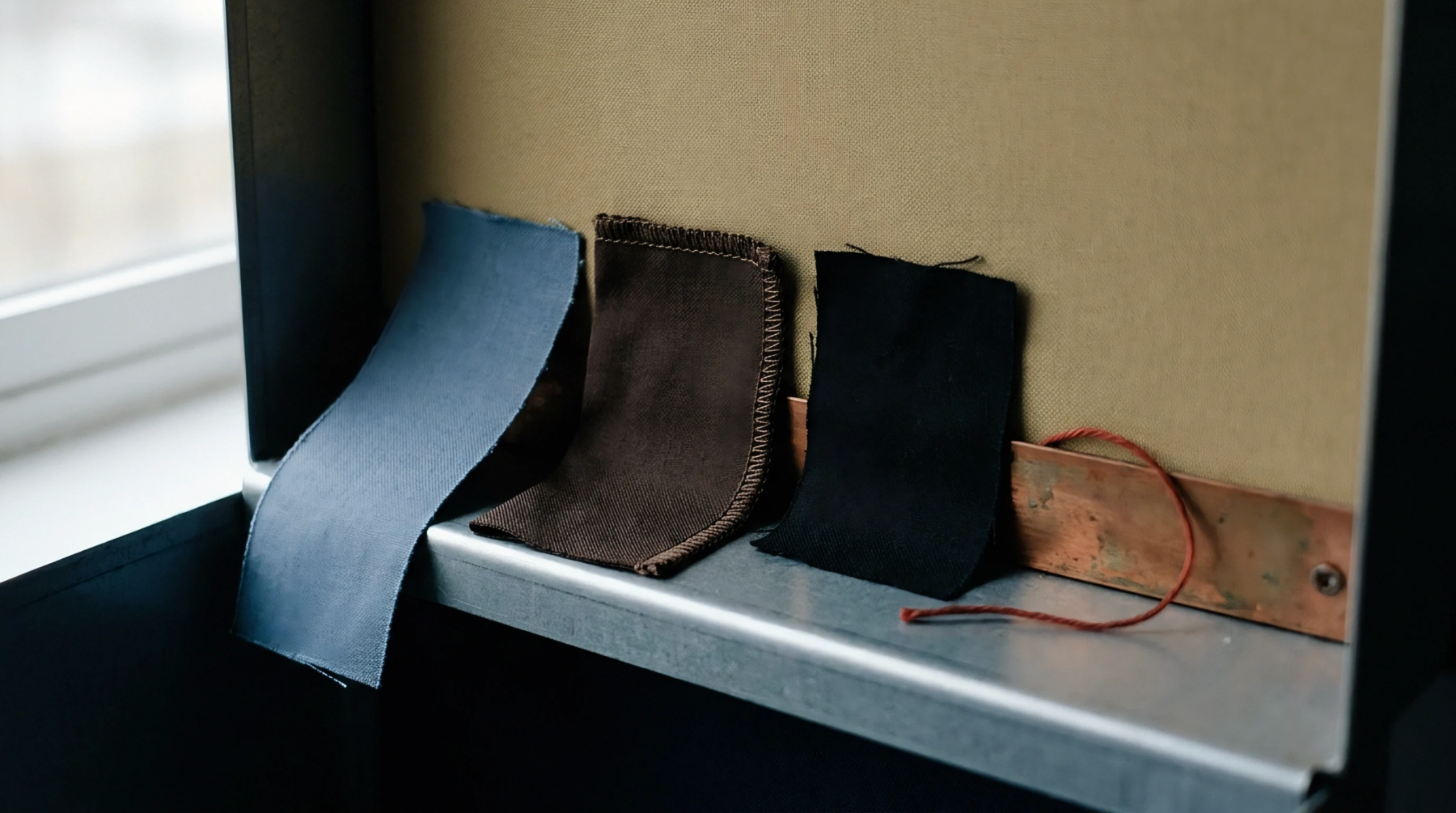
Uncorrected reference junction potentials in high-alkali dye baths cause hidden pH offsets up to 0.4 units, driving dye hydrolysis and shade off-tones.
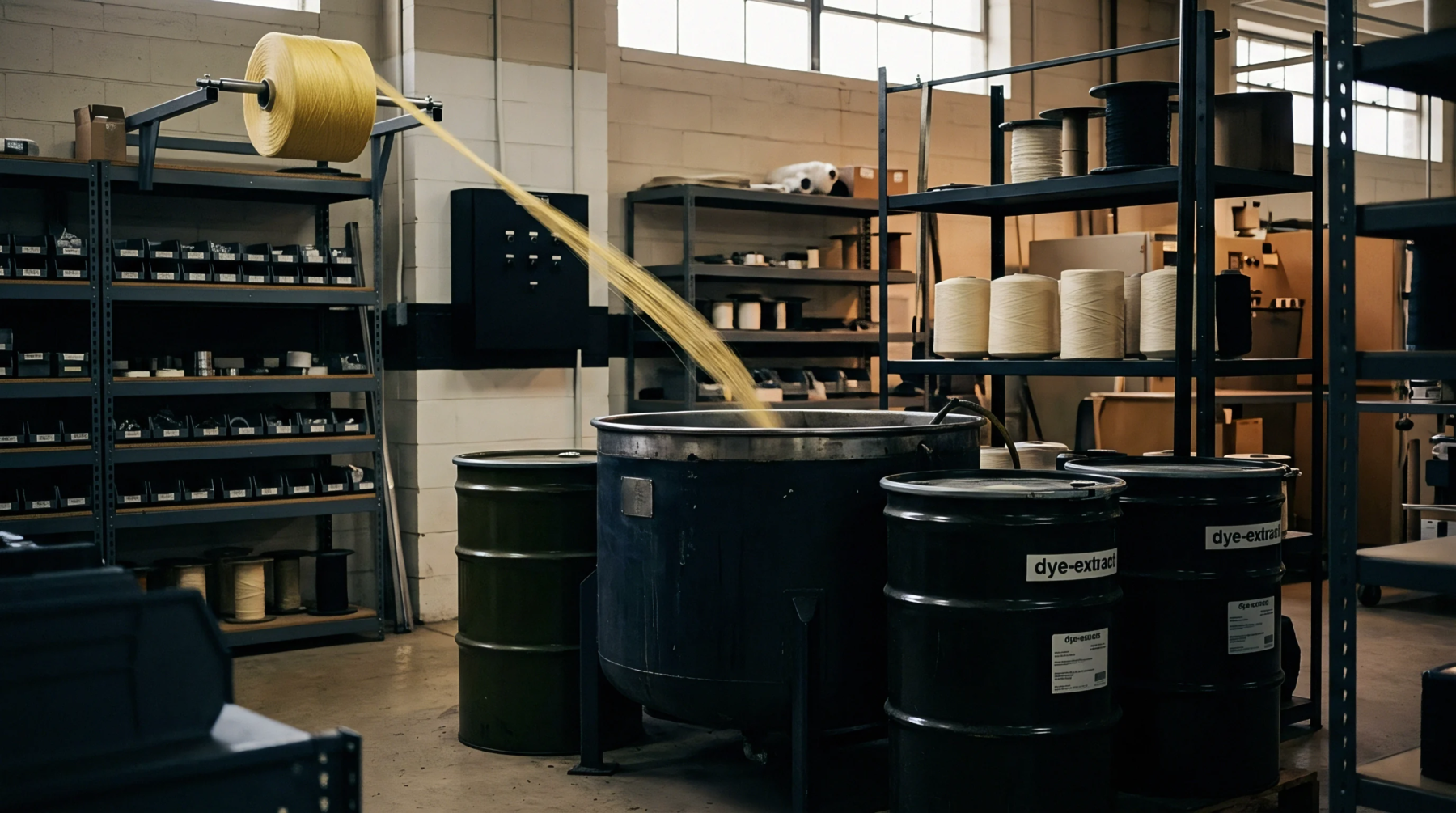
Accurate textile extract pH verification requires two-point Nernstian calibration, controlled temperature compensation, and sleeve junction electrodes to prevent electrolyte clogging.
Expertise is a utility, not a secret. sentiention™ publishes its working knowledge as open reference: intelligence layer covering the materials it sources, the markets it enters, and the reference that serves both.